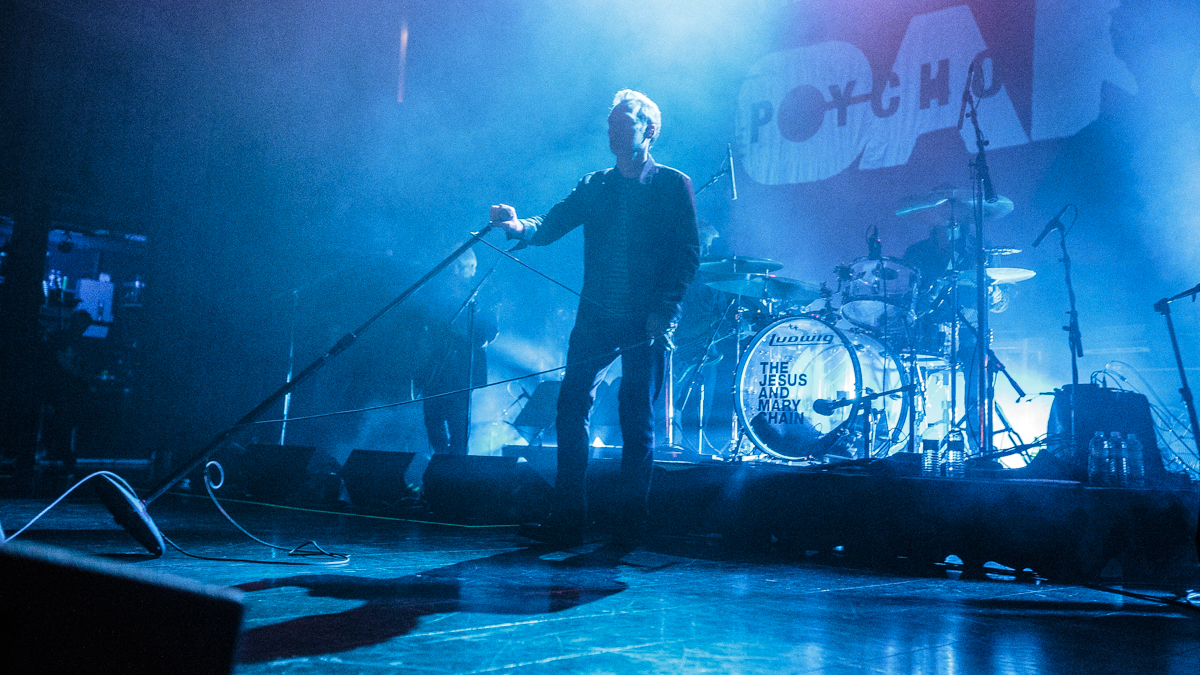
Lofted above the main House of Blues club, local favorites Burglary Years and Teenender prepare for the after party of a lifetime in the club’s Foundation Room bar. A sense of competition between the show downstairs and theirs upstairs is lightly felt in all senses; the band downstairs have armed themselves with enough distortion and feedback to rattle every bottle and glass off the tables. All this considered, the prospect of being an “after show” on a drizzling Tuesday night sounds more like an exercise in disappointment, but both bands exuded nothing but pure elation for the opportunity. Considering both bands were conceived in dream pop worship, the chance to follow The Jesus and Mary Chain after performing their seminal, Psychocandy, front to back is the closest thing either band have at this point to ascending to a guitarist’s Valhalla.
“When I was about 14 or 15, my little brother played ‘Just Like Honey’ for me and it was like nothing I’ve ever heard,” Greg Cook, singer of Burglary Years reminisced. “Him and I went to see Lost In Translation later that year, which would get us both into My Bloody Valentine, Death in Vegas, and Air, but his incessant playing of that song really resonated with me.” “‘Honey’ just sets the perfect tone for that film,” Brian McKenna added. “My friend used to bump [the soundtrack] in the car in high school all the time!”, additionally citing The Sundays and Cocteau Twins as major inspirations for his own work in Teenender. While Lost In Translation renewed interest in distortion-heavy angst led in part by the JAMC’s scoring of the film’s closing “unintelligible whisper and kiss” scene, the beauty of these Psychocandy anniversary shows is how fans from the band’s early era of terror on down to the millennial crop of sullen youth find the same hedonistic pleasure from the album’s deafening legacy.
Openers Black Ryder were practically tailor made for an audience so deeply split by age, operating in the same revivalist/revisionist spirit as The Horrors sans garage goth phase. Yes, one could dismiss them for photocopying the Mazzy Star and My Bloody Valentine playbooks nearly word for word (and for having a song sublimely titled “Santaria” to boot), but Black Ryder tackle shoegaze revivalism with such sincere reverence that it’s hard not to root for the fact they’re opening for, as singer Aimee Nash put it, “the greatest band of all time.”
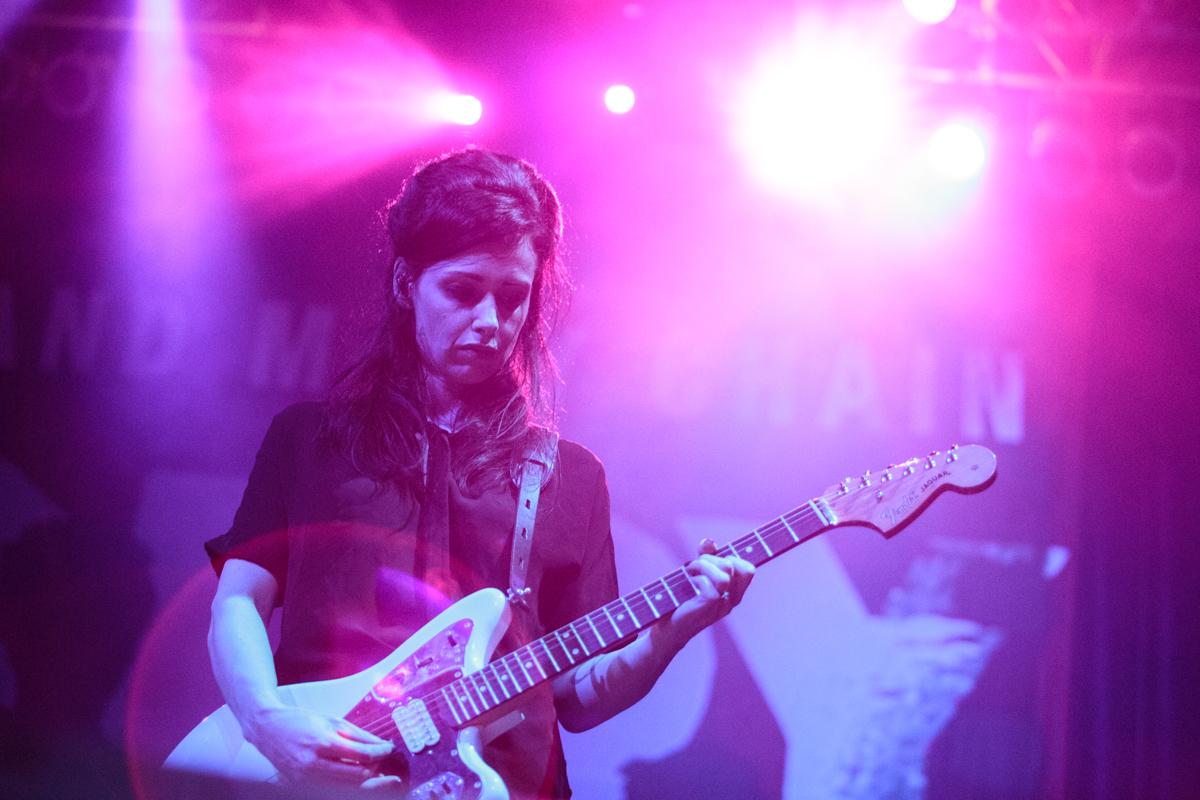
As for said “greatest band”, The Jesus and Mary Chain have taken on a more humble stance in their middle age, asking the audience politely if they’d like to hear cuts from their five other LPs before diving into their Psychocandy set. After cutting through b-sides and singles from Honey’s Dead, Automatic, and Darklands, the humbleness ended abruptly with “Upside Down”, the band’s ear-splitting first single from 1984. Age has only helped Jim Reid’s already-low register, keeping a baseline to the band’s sprawling assault through feedback. Guitarist William Reid is still a mad scientist of feedback, only slightly toning down the ‘buzzsaws dropped into a pile of metal piping’ chaos without losing the heart-racing thrill of loudness.
After the briefest intermission, the “Be My Baby”-copped beat of “Honey” pervaded from a pitch black stage to a crowd-wide gasp and cheer. Everyone had to know it was coming, but its sugary buzz still felt as vital as the first time it entered speakers. In front of me, a teenage girl bunny-hopped and turned excitedly to her father, who made almost the same exact motions before turning. Couples embraced. Heads rolled back in ecstasy. Bald spots and slightly doughier frames didn’t matter against the fact that the entire House of Blues floor became seventeen again for the next 45 minutes.
Considering the fact that baby boomers were hollering for “more feedback!” and “amp to 11!”, the age reversal might’ve been related to the loyalty surrounding the album, but it didn’t hurt that the Reid brothers distilled everything live that made Psychocandy so groundbreaking on record. Dancing through the squeals of “The Living End”, “My Little Underground”, or “Never Understand” was practically mandatory in the same way that swaying underneath the House of Blues’s gargantuan disco ball during “Cut Dead” was bound to happen. When “It’s So Hard” eventually arrived, Reid practically had to explain himself for leaving over the moaning crowd (quote: “It’s the last song on the record, so I guess this is our last song.”) Such is a testament to the fact that JAMC are one of those rare acts that zeroed in on something both dangerously youthful and eternal, leaving a crowd as disoriented and euphoric as their first taste of “Honey”.
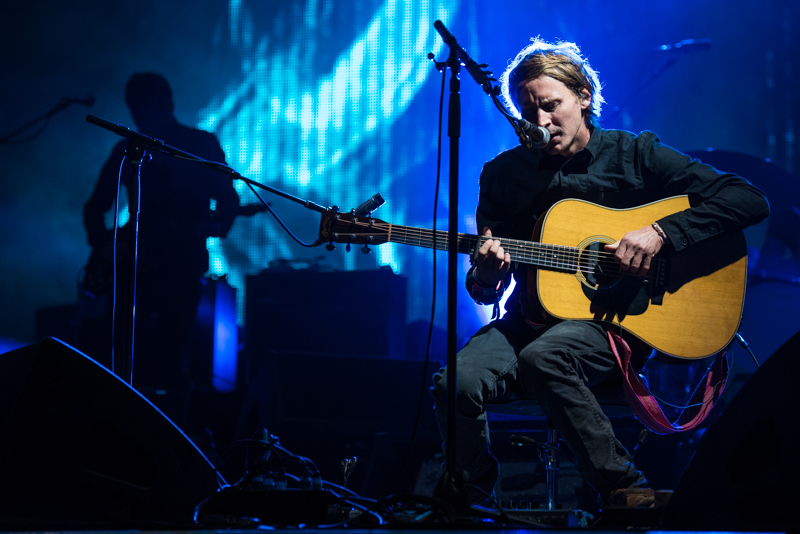
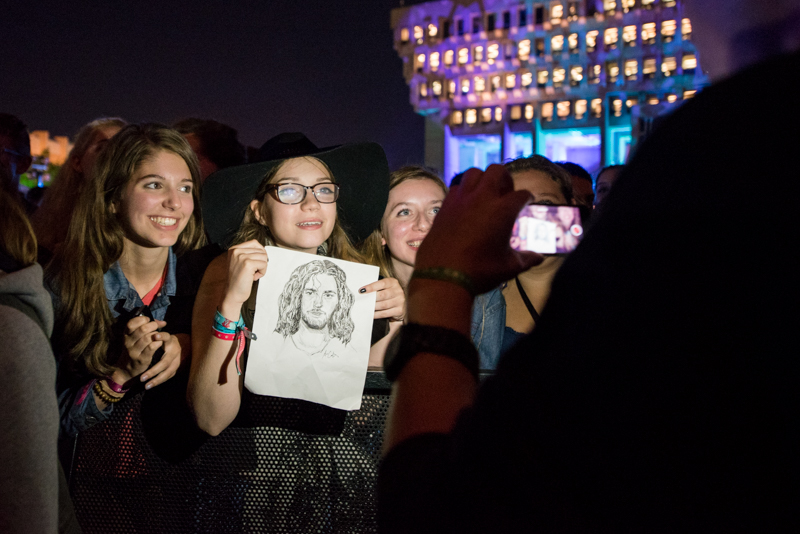
For all photos from the show, view the gallery below.
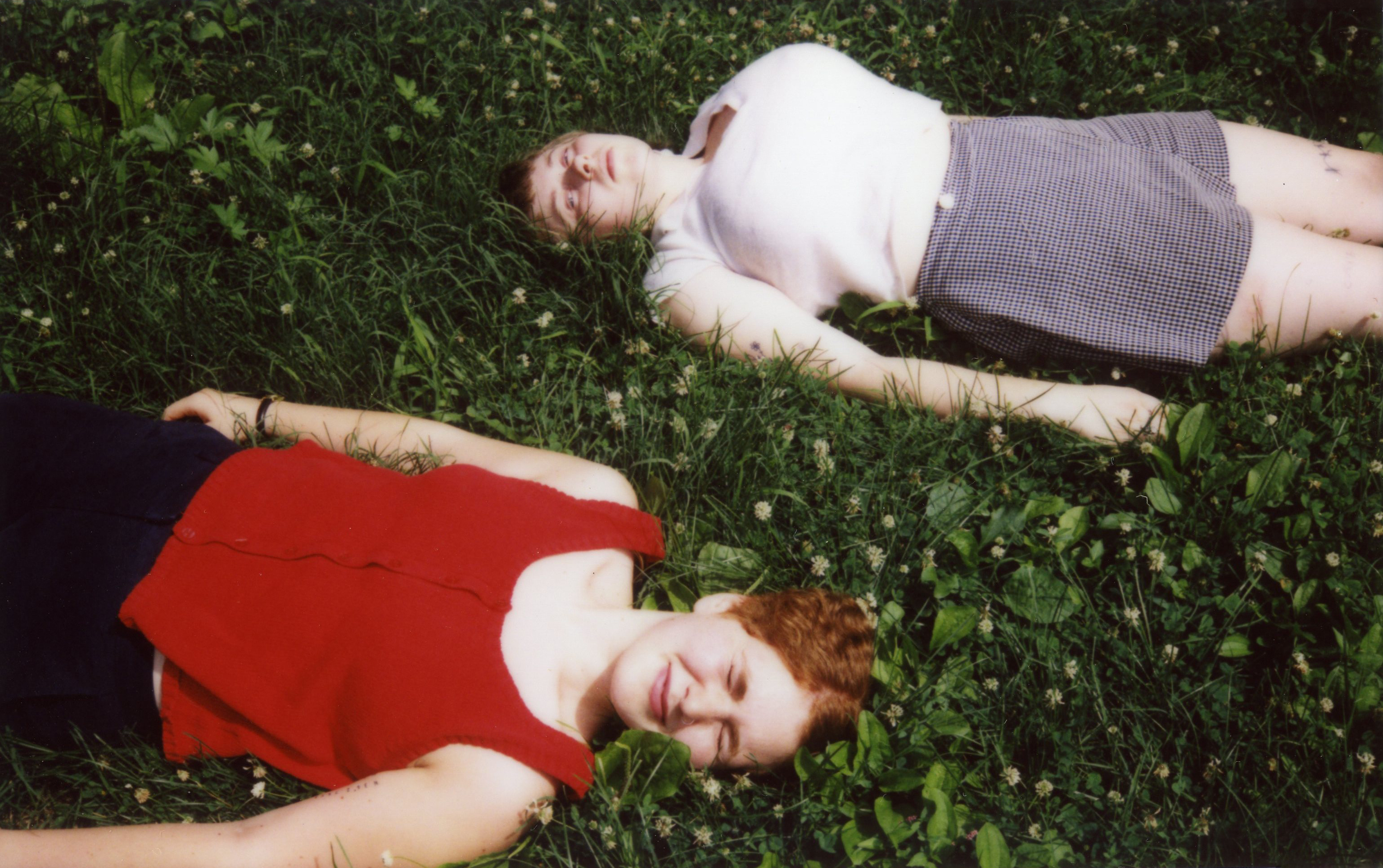
There’s a particular strength in everything that Girlpool creates. Accepting the world as it is, can be quite a feat, but finding beauty in its hardships and annoyances is a whole other undertaking. Tying these thoughts in which some find isolating, have connected people in a way held sacred.
The duo’s self-titled EP made rounds last year, stirring up attention that evolved buzz into devotion. Ones skeptical of Cleo Tucker and Harmony Tividad’s power were found dying to spread the word after experiencing their show in person. Before we knew it, a mini documentary, ‘Things Are OK”, was created and we were left weak at the knees with a full LP, Before The World Was Big.
Girlpool will play two shows at Middle East, after selling out their originally booked Middle East Upstairs show set for October 6th. Limited tickets are now available for their Middle East Downstairs show on October 5th, but before they come our way, they took some time to chat with us.
AP: You have said that you share an organic writing experience where both of you contribute fairly equally. Is there a particular lyric or instrumental that the other has written that caught you awe before it became a part of a song?
Cleo: It’s often that we share a thought or doodle with each other and feel in love with it. Sometimes the essence of what we make on our own end up slipping into what we create together in many kinds of shapes/forms.
AP: Have your songs taken on a different meaning for you since their inception?
Harmony: The songs grow and change for each of us with each day. Every time we play them feels new and different because of the new contexts our lives are taking in that moment, effected by both the environment, interactions throughout the day, as well as mental headspace of each of us. Cleo: I don’t feel like the word ‘meaning’ incapsulates a product of a song. It feels like pockets of feeling. Sometimes the dips feel really massive and deep. Other times songs feel flat. I think it’s beautiful that those spaces change.
AP: As a whole, ‘Before The World Was Big’ sparked ideas that I tend to think about a lot, but never knew how to communicate. When I first heard the full album, it was definitely a eureka moment. Is there an album that has done this for you?
Harmony:Either/Or by Elliott Smith; it touches on so many philosophical ideas that I feel like are often overlooked in everyday life, in short. For example, the track “Ballad of Big Nothing” has a chorus stating, “you can do what you want to whenever you want to, you can do what you want to there’s no one to stop you,” which could appear obvious and simple, but I feel that people forget the complex beauty of choice and option in day-to-day living. Cleo: Tons of music gives me that feeling too. I love that.
AP: All of the songs on ‘Before The World Was Big’ solely feature you two with bass and guitar, but there have been instances where you have included drums on “Crowded Stranger”, within your live show. Is there a reason why you have decided to include drums on this particular song?
Cleo: It seemed like it would be fun at a show we played in Chicago. Provokes a really great head nod and I love the head nod. Harmony: Haha, Cleo, yes!
AP: How has your friendship evolved over the existence of Girlpool?
Cleo: It’s evolved in every single aspect of our connection and it is so thrilling. Harmony: We are both growing and constantly reflecting on our internal personal growth, which inevitably effects our relationship. It is very exciting and beautiful to explore new feelings and ideas with someone in different environments and I feel blessed that it is Cleo.
AP: A lot of your songs speak of uneasiness and trying to find comfort amongst it all. How do you both find comfort when you’re on the road?
Cleo: I have been focusing on the power to curate my condition. To find ‘the ways’ I love and live with them. Harmony: I find comfort in remembering that even in what we “have” to do and “have” to go based on the route, there’s a lot of gray area and options that are important to remember. You don’t have to eat at the nearest place, you can go out of your way to get something that would really make you feel more content and comfortable. If you need to you can stop and take a break. For me it’s all about recognizing how to take care of myself and do my best to check in with Cleo and make sure she is feeling taken care of as well. It’s important to slow down sometimes and check in with yourself mentally, gage what you need.
AP: There has been a lot of discussion of how to make safer show spaces. Have there been any moments in particular that you have been made to feel uncomfortable at a show? Is there anything that you think could help in the effort to create safer spaces?
Cleo: People are soft and hazardous. We all feel it. More of one of the two things on certain days, maybe more of one thing for many months or years. And there are explicit levels that some people exorcize and some don’t have the particular desire at all. A room full of people carrying their something with them. It feels really special when we play music and the softness is gifted by all of us together, the space gets totally immersed. That is my favorite.
If you’re thinking, “what the hell is ‘Rocktober?'” let us help you out. Almost every band heads out on tour in October and our calendars are jam packed. Do you feel overwhelmed? Do you want to know which shows to attend? That’s what we’re here for: to be your guide to a Boston Rocktober. See you at the gig!
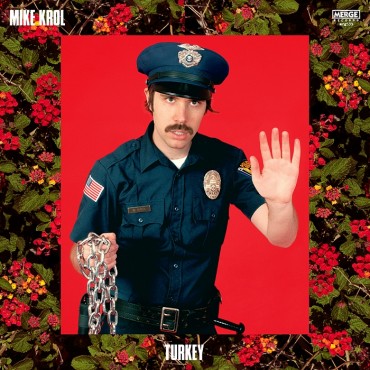
Tonight Out of the Blue Too Gallery will be hosting Los Angeles’s Mike Krol, a master of Bandcamp bedroom lo-fi who’s built his reputation on fast-paced odes to suburban heartbreak. Clocking in at 18 minutes, Mike Krol’s newest release, Turkey, is a blink-and-you’ll-miss-it blitz of one fast-paced track after another, each more charming than the last. The album marks his departure from his cozy communities in Wisconsin and Connecticut to the sprawling, sweaty scene in Los Angeles. Despite the geographical shift that preceded Turkey’s release, the album falls more in line with his first LP, I Hate Jazz, than it does with his second, Trust Fund. I Hate Jazz, released in 2011, is full to the brim with post-break-up pleas and homages to teenage love; he promises “I’ll always be age seventeen” and tells tales of stealing his mom’s red minivan. Turkey finds Krol in a moment of alienation from his surroundings, but still features the same lovelorn charm that set his debut release apart. He lets slip “I feel left out of every scene and city I belong to” in “Left Out (ATTN: SoCal Garage Rockers)” but balances such confessions with power-pop melodies and genuine introspection. The album still takes time to stress the importance of being authentic, and celebrating and exploring unfiltered emotions with lines like “Isn’t anger just a form of jealousy?”
Turkey is an exercise in coming back to his roots–that is, returning to his bedroom-rock edge, but this time in a recording studio while signed to a major label. Krol says he felt like he was “trying too hard” with Trust Fund–easily his glossiest, most meticulously produced album–and that with Turkey he wanted to harken back to the days when music was a more personal endeavor. “I wrote the songs in my bedroom for myself,” he says. “And I wanted to get back to that sound with this new record.” According to him, having people listen to his music was certainly a perk, but the opinions of others were secondary. In keeping with that authenticity, Turkey, his first release on Merge Records, celebrates its blemishes instead of concealing them. He keeps his insecurities front and center. He mumbles at the tail end of the album’s last track, “Yeah, I don’t know, man. I didn’t sign up for this shit,” a comment that comes across not as despondent, but instead confessional and genuine.
The past month has marked his first tour across the west coast instead of his usual jaunts through the midwest and parts of the east coast. Krol says that now that he’s inundated with more public performances than ever, he’s adjusting to finding his stage presence and dealing with deceptively difficult tasks, like mastering the art of playing guitar and singing at the same time. Krol was primarily a drummer back in his days of self-recording, and now that he finds himself a front man, he’s having fun adapting to the role and exploring new territory with live performance. Based on his sets so far, it’s apparent that Krol has risen to the occasion.
Turkey is available now via Merge Records. Be sure to catch Mike tonight at Out of the Blue Too tonight at 8pm in Somerville, presented by Illegally Blind. Peruse the rest of his tour dates below, and if you need any further convincing, peep this snippet of a recent show he played in Minneapolis on Sept. 10.
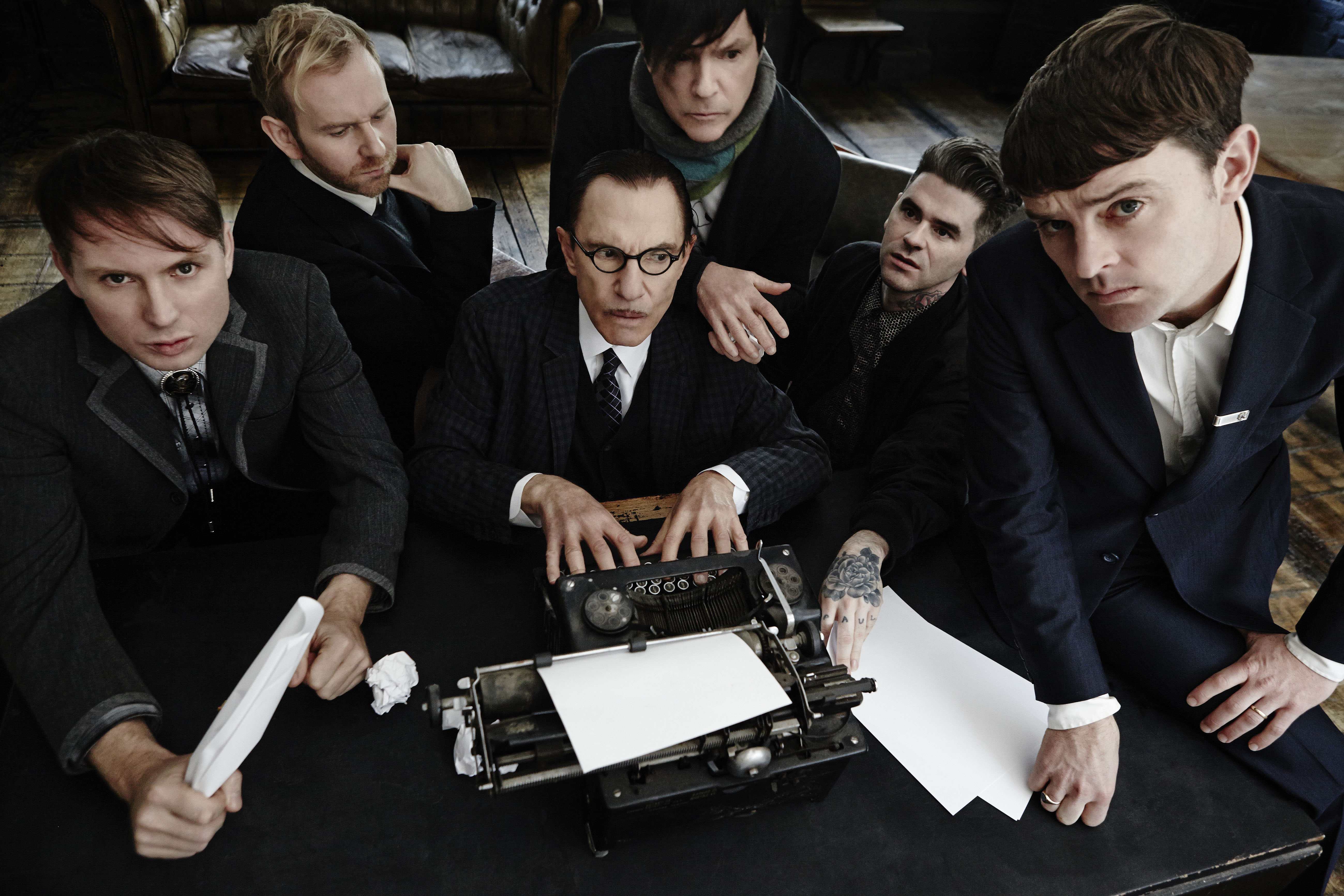
Big name collaborations are a dime a dozen these days, but seeing it happen on a dedicated, successful and truly realized scale is rare. FFS (yes, they are aware of the other meaning of the acronym), which features all of the members of mid-2000s indie darlings Franz Ferdinand and 70s synthpop brothers Sparks, have made it clear that that’s what they’re going for. Envisioned not a supergroup but as a merging of bands, the six-piece surprised fans which the announcement of their debut, self-titled album earlier this year.
While the multi-generational gap between each act’s heyday could make the pairing seem unlikely, the bands complement each other very nicely. The quirky keyboard work that defined Sparks’ sound slots in well with the more traditional guitar, bass and drums of Franz Ferdinand, while Russell Mael’s pipey fasetto bounces off of Alex Kapranos’ baritone. The songs they’ve put out together have a timeless feel, with the band(s) rollicking through lush and driving pop riffs while never taking themselves too seriously. (ie. one of the standout tracks is titled “Collaborations Don’t Work”)
After a well-received run of European shows, FFS is hitting the United States for a fall tour, including a stop at the Orpheum Theatre tomorrow night. We chatted with Franz Ferdinand drummer Paul Thomson about working with your idols, making mixtapes and the lasting legacy of “Take Me Out”.
Allston Pudding: I know Sparks has been credited as an influence to Franz Ferdinand. Were they someone you in particular listened to growing up?
Paul Thomson: Yeah. I was aware of them from when I was a kid, even. My dad had a record collection and I can remember picking out a couple of their albums which had really striking record sleeves that stood out from the rest- Kimono My House and Propoganda. When I listened to them they sounded different from anything I’d heard before and I was fascinated by them. This was when I was six years old or something like that. I was curious as to where it came from to get that totally unique sound and outlook.
I’ve just fallen for them ever since then. When we first got the band (Franz Ferdinand) together there was a bunch of groups that we all liked. Usually when you start a band you do a couple of covers as well, and we covered “Achoo” off of Propoganda, but we weren’t very good musicians at the time so we didn’t do a very good job of it! We kind of abandoned it.
AP: Listening to the album, I was really struck by how natural the collaboration sounded, almost like you’d been playing together your whole career. Is that harmony something that built over the years you’ve been friends, or did Sparks and Franz Ferdinand just click musically?
PT: Well we started collaborating together throughout the last ten years. Instead of using proper record producers, we’ve used people that were still in bands, like Joe and Alexis from Hot Chip, so we’re kind of used to collaborating with other musicians. This one was special in that we seemed to click immediately.
But the album was done very different from most projects. It wasn’t like we sat in the room together and wrote together. I don’t think we would have been able to do it that way; I think the eye contact would have psyched us all out! (laughs) It was all done via email over the course of a couple of years. Well, maybe 18 months all-in, but not intensive. We were busy touring at that point and Ron (Mael) and Russell (Mael) had other projects as well. This was sort of a fun excursion.
We didn’t really tell anybody about it either, because there wasn’t really much to tell. Whenever we had a spare moment in the studio we would say “oh, should we work on one of those songs that Ron and Russell sent over?” We’d work on it a little, email it back to them, then they’d return it the next day with a full set of lyrics or a string arrangement. We’d never really worked like that before with anybody.
When we finally got together in the studio, it was the first time we’d ever played together as a group and it seemed to click immediately. All of us were pretty excited and surprised!
AP: On a similar note, given that you’re both veteran bands who presumably had long-standing approaches toward the nitty gritty of performing, practicing and writing, was there a teething process working together at first?
PT: No. I think a lot of what makes a band work is if you can get along with the other members! Over the course of the ten year career we’ve had, it’s had its ups and downs but fortunately we’re totally on the level with Sparks in terms of humor and stuff that we’re into. We’re sort of free and open to talking about the things we like; trashy popular culture or art and music.
Obvious we’re fans of Ron and Russell as well. They’ve got a lot of stories to tell and we want to learn from them. Learn how you sustain a career like that well into your 60s and still have, like they do, more enthusiasm for what they do at their age than many groups in their 20s have.
AP: With two pretty sizable catalogues of music, plus the new album, what does the setlist look like at an FFS show?
PT: Well, we’ve been doing a lot of festivals this summer and the festival slot allows us to play for about an hour, but with the US tour coming up, we’ll be playing a full set; about 90 minutes. So usually we play the entire FFS album and then we play- well, the way we see it is that we play covers of Franz Ferdinand and Sparks songs, usually a couple each. Then we kind of work the setlist so it can balance. I don’t want to give too much away, but it’s a fun show!
AP: You’ve been touring FFS for a few months now. Would you say the crowd reaction to the sets has been noticeably from a Franz Ferdinand show?
PT: Yeah. Certainly compared with our own shows, club shows or theatre shows, because people have come out to see FFS, so it’ll be divided between Franz Ferdinand fans and Sparks fans.
We had very low expectations with this record. We were kind of just doing it for the hell of it really, since it was something that we wanted to do. We weren’t going to turn down the oppurtunity to work with Sparks.
So we’re pretty stoked with the reaction that we got to the record. People seem to really like the FFS material. Also they view it as it’s own group, which is sort of what it became. When we were recording it we didn’t realize that FFS was going to be it’s own group. When we started off, we were two sort of distinct camps and then it sort of became this group, which was a beautiful thing. I think because it excited us, it came across in the music and excited fans of both Sparks and Franz Ferdinand.
AP: Is there any other band you’d have considered attempting a project like this with?
PT: No, because just the setup of Sparks lends itself to a collaboration with us. When you consider that we have a rhythm section and four individuals while Sparks is a vocalist and a keyboard player, the two just fit. It might have been a different story if Sparks had an established lineup; a bass player and a drummer. That would have been slightly more difficult. I can’t really think of any other groups that are immediately out of the box ready to slot in and create a collaborative lineup.
AP: Is FFS a project you see going past this album and tour?
PT: We don’t really know yet, we haven’t really discussed it! The, I guess, stock answer that I’m giving you to the question is that we didn’t expect to be touring the record, let alone recording. But even now we’re near the end of touring the record, none of us really know what’s going to happen next. I quite like that though, and I think we all do! Not knowing what you’ll be doing a year from now is an interesting feeling, and we all kind of embrace that.
But possibly. There was certainly a lot of material that we wrote that we didn’t record that would be nice to get out to a wider audience.
AP: Off the subject of FFS, I really enjoyed your Late Night Tales album last year. Beyond recording the new tracks, what goes into choosing songs for something that’s basically a commercial mixtape?
PT: Well, we’d been asked to do that years ago, actually. We’d been asked to do various things but when you’re on tour, offers like that get pushed back in terms of priority. We did get around to sitting down and working it out though.
When we first started the group there was one mixtape that we used to play in our car that totally informed what the band has become. That’s kind of how we wanted to approach the Late Night Tales thing: more like a mixtape than an actual DJ mix. We weren’t interested in showing off our limited mixing skills! (laughs)
We went fairly broad in terms of genre or chronology. Some up-to-date stuff and some pretty old stuff as well. We wanted it to feel like we got somebody around and they just started playing the record.
AP: Franz Ferdinand is a band with a lot of hit songs, but “Take Me Out” is certainly your most recognizable track, especially here in America. With four great albums of material, has it ever been bothersome being recognized for a track you put out a decade ago?
PT: Yeah, I mean it’s kind of a double-edged thing really. We certainly capitalized off of the success of that one song. We’ve become this group that has been doing festivals every summer for ten years, and obviously we play that song because people expect to hear it. We’d still like to think that we’ve got more in us than just that one track, though! I think, though, that the industry has changed and the landscape of pop music has changed drastically since that song came out. It would be difficult for us to, sort of, penetrate that now.
When we wrote that song, none of us had any money. Alex was the only one of us with a job. I’d been playing in bands for ten years and I wasn’t really expecting anything to happen. But we wrote that song and just immediately thought, “well, I could imagine that on the radio!” I can distinctly remember saying that at the first rehearsal after we wrote the song. But none of us imagined that it would ever get played on the radio. Then 2004 was obviously a completely insane year and it didn’t feel real that everything was happening. It was such a broad selection for people who identified with that song. It had a good hook and it’s recognizable.
I’ll say, though, we do still enjoy playing it in front of festival crowds. When you have 20,000 people jumping up and down to it, you’d have to be sort of dead not to be moved by that!
AP: You said you’re not really sure what Franz Ferdinand’s going to be doing a year from now, but besides FFS do you have anything else on your plates?
PT: We’ve always got ideas, but it’s very difficult to write and work on things, logistically, when we’re touring. We can approach those ideas when we come off the road. So yeah, we’ll be back working on things, but I don’t really have a timeframe or anything like that. We’ll start working on a new record and if the stuff that we’re working on is shit, then we’ll just stop!
FFS will be playing the Orpheum Theatre tomorrow night, 10/2, with openers Intelligence. Tickets are still available here.
Detroit four-piece Protomartyr have returned with a whole new set of songs after delivering on breakthrough LP Under Color Of Official Right in 2014. This latest release, The Agent Intellect, cements the band’s place at the forefront of the crowded post-punk landscape, full of frenetic and lurching melodies over gloomy notions of anxiety, social pressures, and the authenticity of happiness in the modern age. Such subject matter can get heavy pretty quickly, but the band treads water without getting bogged down through energetic riffs that tumble together with a pop sensibility that feels haphazard in its joyful abandon. Listen to the record below, and catch the band live when they come through the Middle East on October 13.
look 2014 Michael Rubenstein michael@mrubenstein.com” width=”606″ height=”412″ />
“Maybe you’ll learn to live on stage”,Waxahatchee singer-songwriter Katie Crutchfield mused on last spring’s album Ivy Tripp. “And maybe American kids will start a craze… I get short of breath because I can’t slow down.” Cutting through an atmospheric record defined by uncertainty and stagnant conflict, those few lines give way to a story that’s closer to her reality: her songs might explore a lack of direction, but her independent recording process and relentless touring schedule are the picture of determination.
Founded in 2010 as a snowed-in lo-fi project at her parents’ home in Alabama, Waxahatchee has grown through three well-received albums that have brought Crutchfield from Birmingham to Philadelphia, confirming her “live on stage” thoughts in front of growing audiences. While preparing to launch her international tour at the Paradise this Friday, she chatted with us about life between tours, songwriting, and navigating smaller scenes.
AP: Is creating music a constant process for you, or do you prefer downtime between the tours?
KC: I take some downtime. I don’t think I could focus enough to write right now when I’m just in between tours. And I think I’ve gotten better about just letting myself really slow down when I’m home. I don’t go out much, I don’t really do much, I just stay home and rest, really, and spend time with people I don’t get to see much because I’m always gone. So, that’s been the theme.
AP: American Weekend and Cerulean Salt contain such confessional lyrics. You’ve said that Ivy Tripp’s songwriting was much more observational than personal. What caused that change in direction?
KC: I don’t know, mostly just a desire to challenge myself and try something different. The first two Waxahatchee records were pretty lyrically similar, in my opinion, so I kind of wanted to try something else. But I’ve been thinking lately that when I start to write another record it’ll probably be like the first two.
AP: A few years back, around the release of Cerulean Salt, you mentioned in an interview that if you ever tried to write happy or angry songs, they wound up feeling cheesy to you. Do you still feel that way?
KC: I don’t think so. I think Ivy Tripp sort of challenges that a little bit in a lot of different ways. I think up until Ivy Tripp a lot of my songs are just kind of heavy, but [with Ivy Tripp] the actual emotion that I’m trying to evoke is vague. That’s actually what I strive for when I write songs anyway. I want to keep the emotion that I’m trying to evoke vague, because I want it to evoke whatever it evokes. I don’t really want to try to write a sad song. I think… you have to put whatever you’re feeling down and then see how it feels. I’ve broadened my horizons a little with some of the lyrics. Possibly that earlier statement was challenged in that way.
AP: Does the knowledge that you’ll be heard by a wider audience have any effect on your writing?
KC: It’s never been a problem really, but it’s almost starting to be a problem now. I’ve always tried to protect the identity of any song subject. I never tried to make it super obvious, even to the people that I’m close to. So people make assumptions based on who I’m close to and who I’m dating or whatever—people make assumptions and they always will, and that’s fine—but I try not to make it super-obvious. I try not to confirm any assumption just out of feeling like that’s not cool of me to do. I think about it, but I don’t think it will stop me from writing the songs that I’m going to write. I think the songs that I’m writing hopefully would be the same even if nobody was going to hear them. I’d like to hope that they wouldn’t change.
AP: What was your experience moving from a small scene in Birmingham to the larger Philly scene?
KC: Well, the Birmingham scene was interesting. I guess it was a slow process when Allison [Crutchfield, of Swearin’] and I were younger, we just happened to get into the punk scene there, and it was really cool. I’m so grateful that it turned out that way, because we always played pop music. We were into and sort of surrounded by punk, but we always played pop music. So we could’ve ended up somewhere else probably, but we ended up in DIY, and we’re really grateful. We started to get into feminism and were really into riot grrl bands like Bikini Kill and Sleater-Kinney, but we didn’t really have a lot of super-feminist allies or people we could really look up to, or learn from in that way in Alabama. When we started to tour, the people who really connected with our band were ones who really involved in that kind of stuff. So that exposed us to… mostly to people who weren’t white men at house shows. That was a new thing for us. Once we started touring like that and meeting all these people all over the country, we just felt like we had to leave. Well, I felt like we did at least. I just really wanted to get out of there and move in a more natural sort of direction of playing music with different kinds of people and meeting different kinds of people. So we ended up moving to New York and following that. And then we all kind of moved to Philly, just because there was a lot of people moving to Philly and it was a lot cheaper than New York, and it seemed like there was just a lot of cool music and cool bands happening at the time, so that’s what brought us here.
AP: You touched on scene inclusivity. What advice would you give to people in smaller communities that want to get involved in music, but might not feel as included in the scene that’s available to them?
KC: I think that just… trying to engage people about that [helps]. If people aren’t cool with that, then it’s not your job to teach them. And I think sometimes how it works for me—and I’m not telling everybody ‘move to a big city’—if it’s not working, start your own band. Your people are there. There are like-minded people. We found like-minded people in Birmingham. The bass player of PS Eliot is still my bass player now, in Waxahatchee. My sister’s playing in my band. There are exceptions, even if the scene seems overwhelming. There are people, and you just kind of have to stick together and make your own thing happen. Just don’t be afraid to make your own thing.
I just think that that stuff felt pretty empowering, because you know, what we did in our band in Birmingham, we sort of operated outside of the scene there a little bit, with PS Eliot. People shit about it, but the internet is actually the way for bands that are touring to meet bands that are like you, or that play music like you, or are like-minded people. We were really fortunate that we met a lot of other bands through the internet and booked our tours around that. It’s a good way to know, “Who’s the band that we’d like to play with or that we’d like to meet that lives in Brooklyn?”, or “Who’s a band that sounds like us?”, or whatever, and that’s how we wound up booking tours. Because of the internet it’s kind of easier to get out of your hometown, even if you aren’t physically [leaving], just to understand what’s happening.
AP: On another note, do you have any other creative outlets besides Waxahatchee at the moment?
KC: It’s all simple stuff. I’m obsessed with thrifting. I think clothes are a really fun creative outlet for me, and they always have been. My sister and I are both totally obsessed with clothes, and we’re always altering our clothes and making wild, crazy outfits all the time. I knit. I write. I feel like it’s kind of strange, when you’re touring at this speed you get kind of like a zombie, and all you can do is eat and sleep and that’s kind of it. And walk around a city without doing anything cool. I try to keep myself occupied and engaged, and I like to read, but sometimes it’s hard to even think about actually making something when I’m touring this much. And when I’m home I just want to sleep. I used to, before I really started to do this all the time I was writing all the time. Any free time I had, I was just working on songs. My schedule with that has just really changed. Things in life are very up and down and very overwhelming. At the moment it’s hard even for me in my downtime to pick up a guitar a lot of the time. Unless, of course—I think that next year I won’t be touring at all, actually, or won’t be touring as much. I feel like I’ll just be writing all the time. So it’s just weird, the pace of everything has really changed.
AP: Do you have any plans toward future projects that you can tell us about? KC: Everything that we’re doing is pretty much out in the open as of now. I mean, I guess it’s no super-huge shock that next year I’ll probably be working on a new record. I’m sure that I’ll play live still. But my goal is to head for open waters and start writing a record, so I’m really excited about that.
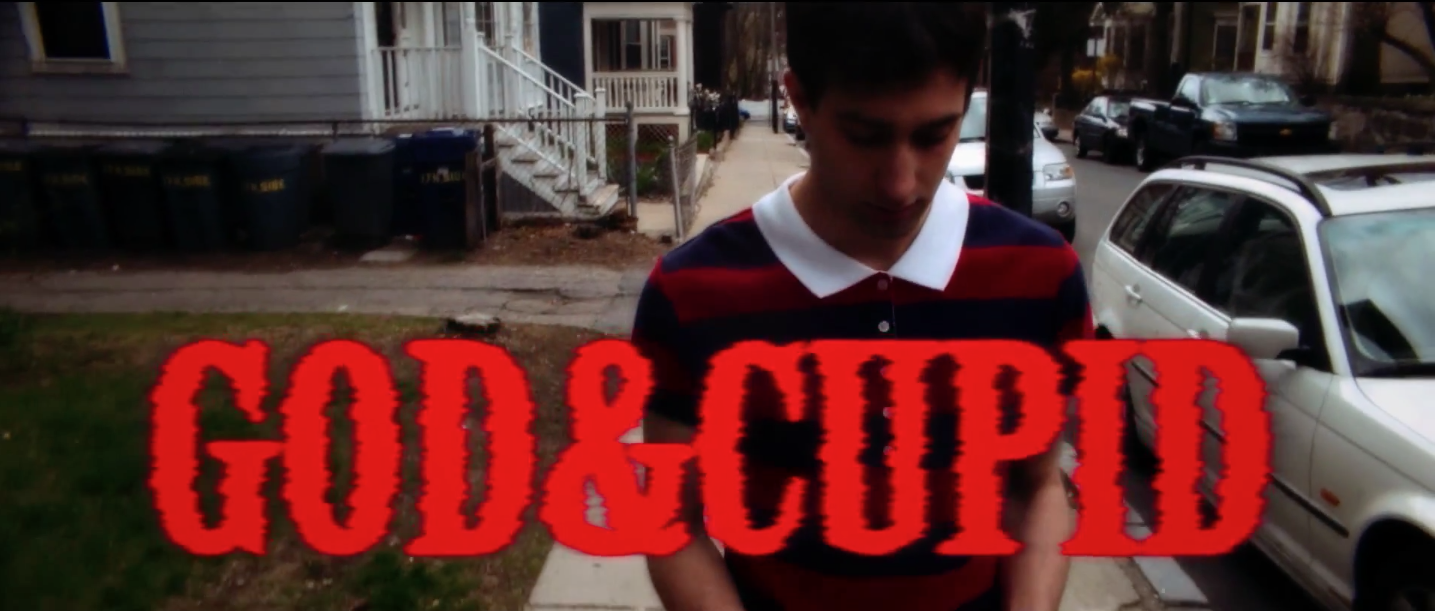
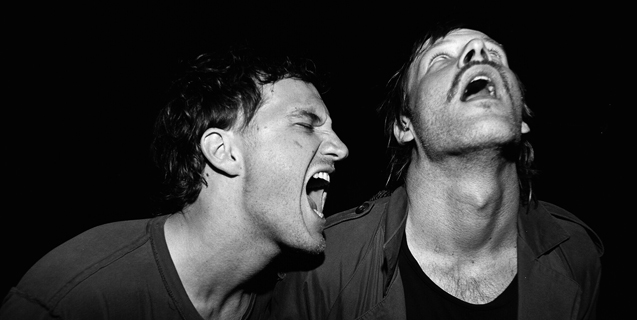
What a sweet premium wine this is! Local punk hip hoppers Boogie Boy Metal Mouth bring the heat in their new video for God & Cupid. Fresh off their latest EP “Call A Cop” which just dropped last week, “God & Cupid” trucks along with a heavy synth baseline and groovy backbeat while MC J. Ring attacks the mic.
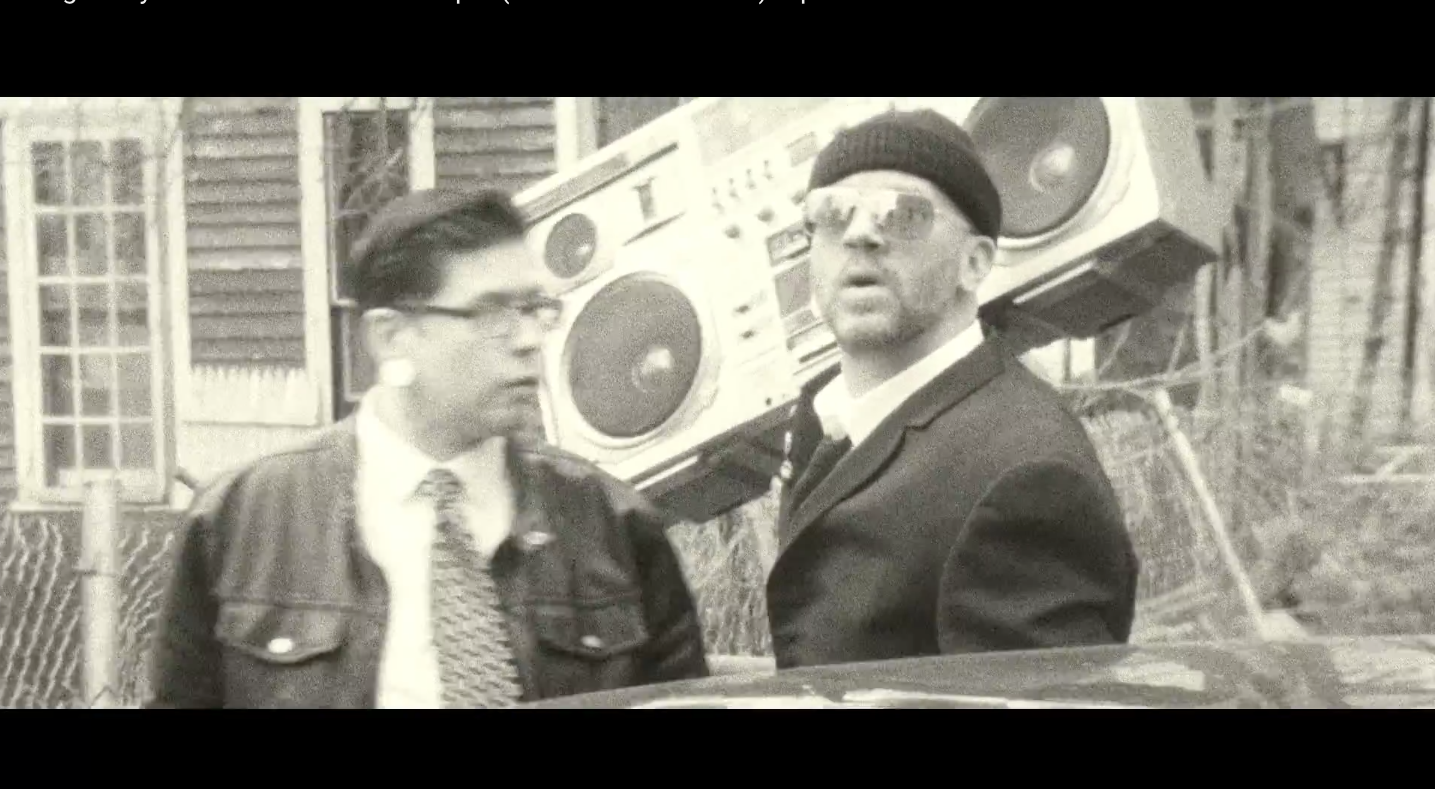
Director Christian Hardy, who has been killing it lately with his last few music videos for The Televibes (he also drums in the band), delivers another gem with this horror/grind house film homage starring Scott Loring, also of the Televibes. The video features Loring wondering into a mysterious secret show where the duo (J. Ring and DJ Emoh Betta) are rocking the party and everyones drinkin’ the kool aid and gettin’ weird. The video was shot around Mission Hill, and according to Hardy, they had an interesting time while filming…
“At one point while filming the videos exterior introductory shot on Hillside, we were mid-take when all of a sudden I (Christian) was confronted in broad daylight in the middle of the crew by a gang member who claimed that we were filming on his “Territory.” Everybody sort of froze up and just about shit themselves because not only was he in 100% berserk mode – he was also finishing a 40oz of Olde English, Smoking a blunt to his face, and basically threatening to beat me unconscious in front of everyone…. AT 10 A.M. I hadn’t even woken up yet.The conflict was resolved when Boogie Boy Metal Mouth’s J. Ring and Emoh rolled up in a black out sedan wearing fed-looking suits (in-costume for the video) and startled the aggressor. Shortly thereafter the thug made everybody hit his mystery-blunt in front of him…twice.”
Luckily the crew was able to complete the video, and we are now able to premiere it to y’all right here on Allston Pudding! Although it’s probably better suited for a run down movie theater or drive-in, a youtube link will have to do for now…
*The video was also an official selection for this year’s (2015) Austin Music Video Festival in Austin Texas alongside music videos from The Black Angels, Gary Clark Jr. and others!
Courtesy of Secretly Canadian’s artist page for Gardens and Villa.
Santa Barbara-based Gardens & Villa took the time to chat with Allston Pudding about creative spaces, cocker spaniels, and finding inspiration. Though they’ve spent their fair share of time in cities across the nation, synth player Adam Rasmussen said Los Angeles, where they spend most of their time practicing and recording, is like “a dream on top of a dream on top of a dream”. And Gardens & Villa stylistically incorporate dreamy, sunny California vibes into their ambient noise-pop.
Rasmussen said the group finds much inspiration through the creative spaces they find themselves in. There’s a trend sweeping through Southern California of people buying out old warehouses and revamping them into practice spaces for musicians and artists. “The warehouse feel is very apropos for the artistic life,” Rasmussen said. “Andy Warhol had his factory, and with these old spaces being reactivated, and having this happen in art spaces is very inspiring for us.” The warehouse vibe is a friendly one, according to Rasmussen. “You could walk into the lobby at 12 A.M., or you could walk into it at 3 A.M. and still be welcomed.” Several artists at a time often share these warehouses, creating a community of artists.
Transplanting from a warehouse in Santa Barbara, the band sought a similar feel and were immediately drawn to a beaten up warehouse in Los Angeles, directly across the river from their previous space. “It was about 14,000 square feet of concrete, with corrugated walls and just…nothing,” Rasmussen explained. The band took it upon themselves to completely rehab the unit. “When we get back from tour we’re going to finish the control room, and have a fully functioning studio.” But he sees spaces like this taking over the future of live music. “I see the dream as this future studio hub. It might be a place for going solo, it might be a place for intense live psychedelic jams.” He laughed and added, “If we build it they will come.”
The discussion turned to underutilized talent in young musicians, and what he believes these kinds of spaces can do for those who are afraid to get their feet wet. “I know so many talented people that are just writing music in their bedrooms, and they’re not recording,” Rasmussen said. “You just have to jump off for the first time into the water, not knowing whether it’s going to be cold, or hot, or turbulent, or placid, and just the act of abandoning whatever you’re holding onto on the cliff, and falling through the air towards something, regardless of the outcome, is part of the way to scratch the surface. You kind have to trust the universe and apply the force concept to your life,” he added, citing Yoda.
In regard to their latest album, Music For Dogs, Rasmussen described it as commentary on the rising Internet culture of today, as well as being inspired by an actual dog.
Back in the creative community at the L.A. warehouse lived a nine-year-old black cocker spaniel, who one night joined in with the band, who had spontaneously begun howling. He described how they had initiated the howling, which the dog ignored at first, but eventually joined in, howling louder than the band to assert its dominance. “[I saw it as a] comment on internet usage, because of animal tendencies.”
“We wanted to make the record that we’ve always wanted to make as young lads in punk bands in small towns,” Rasmussen said on the album. “We achieved that, and I’m really proud of Music for Dogs, and I’m really thankful for all of the energy that was put into it. It felt like a very natural process–we wrote as many songs as we could. This record was intended to be your 14-year-old self through your 30-year-old lens, having a really fun time but also exploring all of the anxieties and freedoms that can only come with experience and wisdom.”
When asked whether he thinks the Internet has had a positive or a negative impact on music culture, Rasmussen said, “It’s both. Everything is a both thing, especially when considering the Internet. Back in the day, if you wanted to see a band, you had to text your friend’s flip phone and ask to meet up at a show, and you’d either show up or not. Now, you have a stream of who’s coming to town, and how many people like that. It’s totally obscured, for better or worse, the way that people find out about music, attend shows, buy records, and talk about how they feel about it. Music is more accessible than ever, [which is] great for bands that are getting started out. You don’t have any excuse to not record something, which can be done very easily for not much money at all.”
“All the tenants of music culture…still depends on the archetype of a fan bringing energy to a show and receiving it, and a band bringing an energy to the stage and the fan receiving it. It’s as old as language–it is a language–that’s purely expressive. It’s a shame to see it exploited but it’s never going to die,” Rasmussen said.
The band plays tomorrow night at The Sinclair. Music For Dogs can be purchased via Secretly Canadian.
(Rasmussen added that if you DM the band on Twitter saying the breed and age of the dog mentioned in the interview, he’ll hook you up with two tickets to the show.)













 look
look