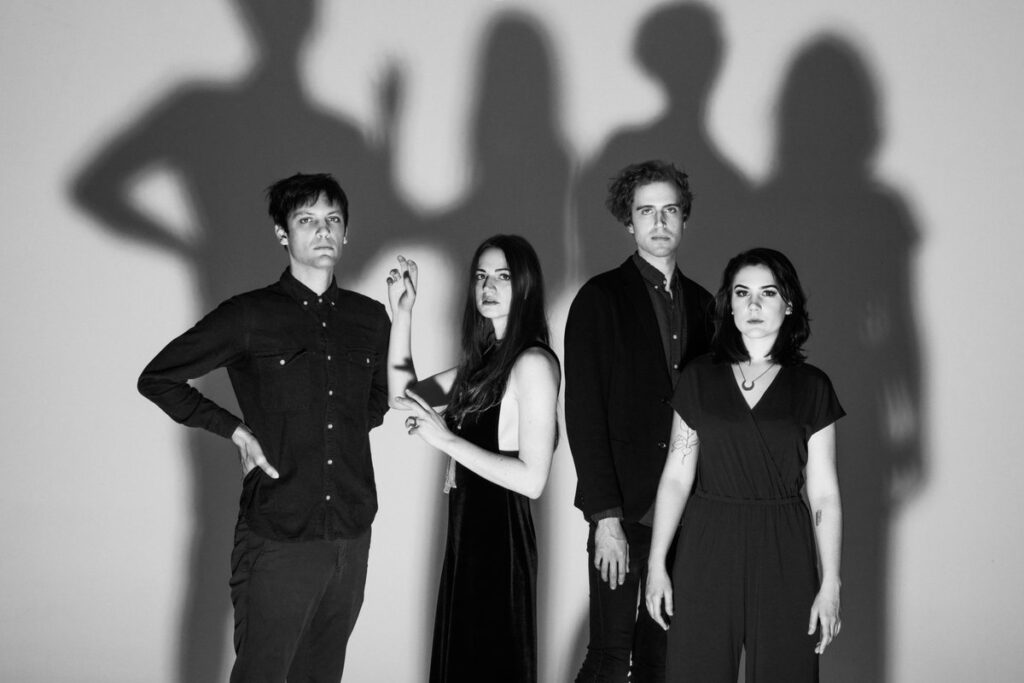
Oakland based garage punk outfit Shannon & The Clams are coming through Boston to the Royale tonight as they tour the recent release of their sixth studio album Year of the Spider. The quartet have explored sonic pathways outside of the garage that have taken them to the 50s Rockabilly era, doo-wop, R&B, psych and surf rock. The new album finds them stronger than ever before as they get back on the road to connect with fans after the long break from touring. We caught up with Shannon Shaw, Cody Blanchard and Will Sprott from a bandwagon heading to a recent show in DC.
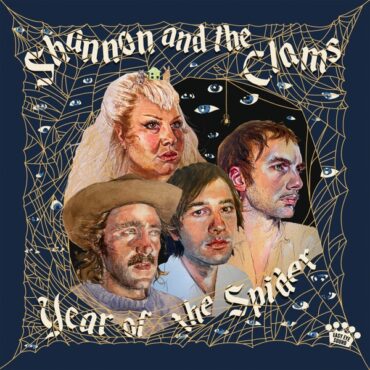
Allston Pudding: What was the inspiration behind the album artwork? Especially the eyes?
Shannon Shaw: It’s related to a recent peeping tom incident that I went through. I was feeling exposed and vulnerable and tried to figure out a way to turn it into something positive and “beautify” it. It was painted by me using watercolors and I did a total of 24 portraits.
AP: What is your favorite song to play live?
SS: I like playing “Midnight Wine”. I feel like I get to be a different person when I play it. Also “I Leave Again” is very fun.
Will Sprott: “The Bog” is very weird musically. It keeps your fingers moving and has lots of room to explore.
SS: “The Bog” reminds me of trying to drive stick shift. It’s a lot of work but it’s so much more fun & kind of exhilarating.
AP:As a band you use such strong vocals, I was wondering what your top vocal remedies are?
SS: I am notorious for losing my voice. I warm up a lot, when I wake up, in the days leading up to tour, after I play. This is an ideal scenario but I drink hot beverages like tea, lemon and honey. I use a lot of menthol lozenges and I have a breathing machine/steamer which really helps. Also, it’s hard for me but I try to talk less.
WS: Cody‘s method is that he eats a banana right before he goes on stage.
Cody Blanchard: That’s not real.
SS: Will and Cody don’t have to warm up, they just already sound like angels. If I don’t warm up, then I could ruin the show.
WS: My method is almost opposite of Shannon’s. I feel like I have to talk.
AP: Which song would you say was easier to write than others? Were there any that were challenging to finish?
SS: On this album “Do I Wanna Stay“ was a challenge. I had a really crystal clear vision of what I wanted but it was hard to capture. I’m very proud of it now. “Year of the Spider” came to me pretty easily. I felt like all the parts were somewhat fully formed pretty quickly.
AP: Shannon you once mentioned Year of the Spider’s title being chosen as a way to embrace your arachnophobia per say. I was wondering if you have been able to overcome any other personal struggles through music?
SS: Oh yeah. I don’t know about fully overcoming anything. I feel like writing and performing is very cathartic. I don’t know about you guys, but for me I feel like I’m working through something whether I’m writing it or performing or sharing it with people. I think I’ve overcome a lot of things actually.
CB: I don’t really find that.
SS: Really?? Oooh…
AP: How has tour been so far?
SS: Pretty rewarding. Ticket sales for every band out there, they look a little troubling. I was worried when we first started playing that [the venues] wouldn’t be full but every show we’ve played so far has felt packed. We played Oberlin College in Ohio recently and I would say maybe 98% of people were dancing. People seem to be responding to our new songs very well, it usually takes longer.
AP: I guess that’s a testament to the songs.
CB: I think for a lot of people coming to the shows, it’s their first time doing anything like that since COVID started. There’s definitely this hunger that you can sense. You really feel like you’re giving them something they need.
AP: Did anyone pick up any new hobbies during quarantine?
SS: I started to teach myself to play guitar. I was working on my Spanish every day.
CB: I am making synthesizers for kids, produced in a lab. I’m designing the circuit boards.
WS: I live out in the country surrounded by a bunch of farmers and learned a lot about plants from my neighbors. But, I never have time to grow anything because I always leave and everything dies.
AP: How does the new album feel compared to previous releases?
CB: I feel like we’re getting way more positive feedback. The record label we’re working with has sort of stepped it up. There’s been way more press and promotion.
WS: I’ve only played on the last two albums. But for me it’s been great to get a little more “meat” musically, there’s just more layers and interesting levels.
AP: Your music can bring back feelings of the 1950s and 60s, which were vibrant eras for fashion/trends. Anything you wouldn’t mind seeing come back in modern times?
CB: I wish people were a little less casual with their appearance.
SS: You want more flair.
CB: Once you go to jeggings and shit it’s hard to ask people to go back.
WS: It’s impossible to go back to this, but before the flattening of our culture because of the Internet, everything was just weirder back then because we were more isolated from each other.
AP: What does the next year look like for Shannon and the Clams?
SS: Some tours in the works. Going back to Australia in the summer. We all love Australia so I am looking forward to going back. Hopefully Europe and Japan. I toured Japan with another band and it was wonderful. I feel like it would be a great place for the Clams.
Shannon and the Clams are performing at the Royale in Boston tonight, for more information on set times and tickets click here. To follow the band for more make sure you check out their Facebook, Instagram, Twitter for more!
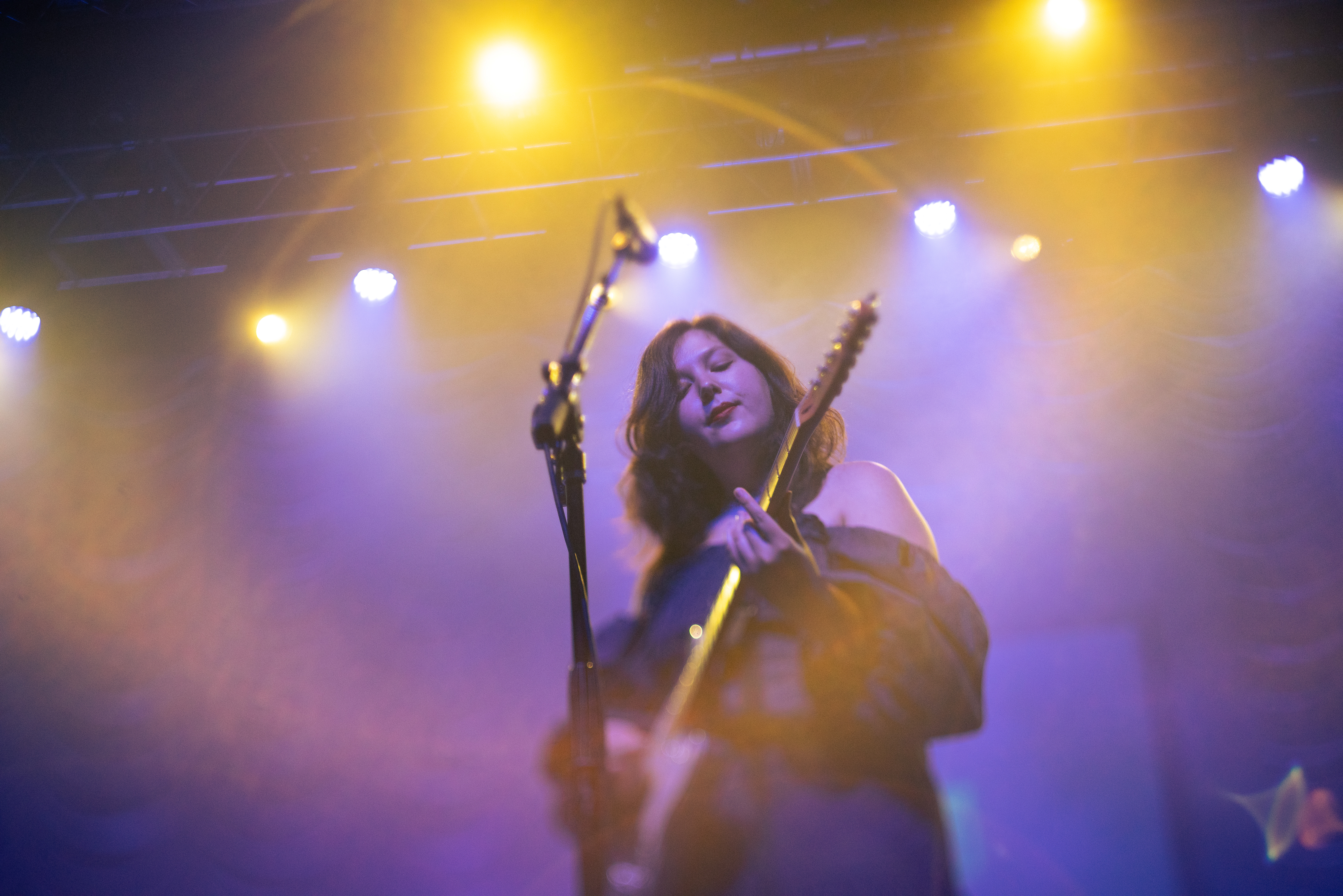
Lucy Dacus played to a packed crowd at the sold-out House of Blues on Saturday, giving a brilliant performance that had the audience singing along to nearly every lyric from start to finish. The opener for the night, Bartees Strange, jump-started the show with a lively set powered by fuzzy, overdriven guitar and forceful vocals. Lucy Dacus followed with a flawless delivery of her latest album, Home Video, in its entirety, alongside arrangements of “La Vie En Rose” and “Dancing in the Dark” from her 2019 covers EP, and a currently-unreleased solo song. The setlist featured only a few songs from older albums Historian and No Burden, but the audience was eager to demonstrate their knowledge of the new material, as they sang (and occasionally yelled) verses along with Dacus. Bartees Strange returned to the stage for Home Video’s quintessential sing-along song “Going Going Gone.” Before the night was finished, Lucy Dacus mused to the adoring crowd that she has always had good shows in Boston and happily stated, “I think this is another one for the books!”
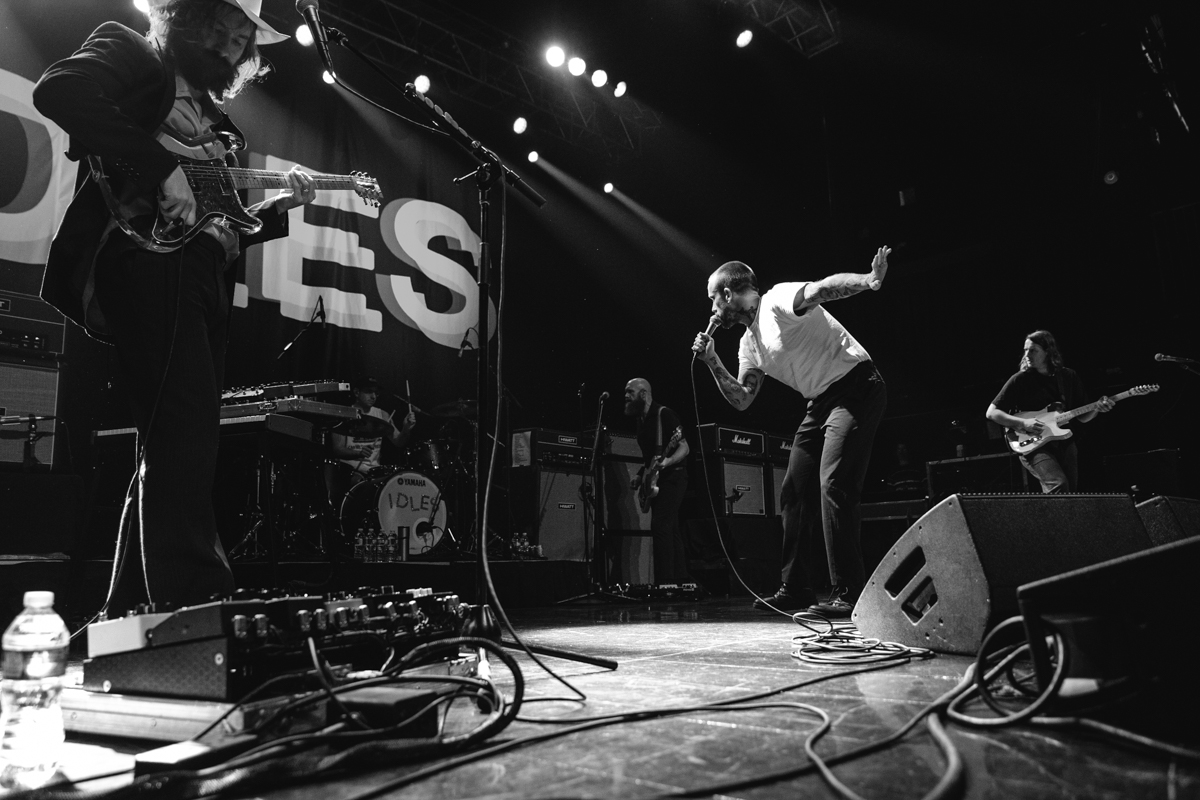
For many attendees, being inside a packed House of Blues again was a combination of surreal and exciting, but they couldn’t have asked for a better bill than IDLES and Gustaf. Both bands have a reputation for fun and energetic shows, and after the night’s show, the audience could confidently say that those expectations were met.
While COVID forced many bands to miss or delay a tour in celebration of a new release, Gustaf’s debut LP, Audio Drag For Ego Slobs, came out just weeks before this show. Riding the energy of their new release, Gustaf brought the venue to life with catchy songs like “Liquid Frown” and “Dog.” They topped off the set with a special guest appearance by front person Lydia Gammill’s father, who sang backing vocals on the song “Happy.”
IDLES followed up with a spirited performance of their own, setting the tone for the night with 2018’s “Colossus.” The room immediately grew considerably more rowdy, as band members and attendees alike began crowd surfing. Following Gustaf’s lead, IDLES brought a guest vocalist of their own on stage in the form of an enthusiastic 12-year-old fan, who joined the band for “Danny Nedelko.” Songs from Ultra Mono, Joy as an Act of Resistance, and BRUTALISM all appeared in the set, with some songs from Ultra Mono making their live debuts since the release occurred during lockdown. The audience’s energy didn’t subside until the lights came back up, revealing the chaotic results of the night: a broken guitar, a dismantled cymbal, and all of the members from both bands waving goodbye.
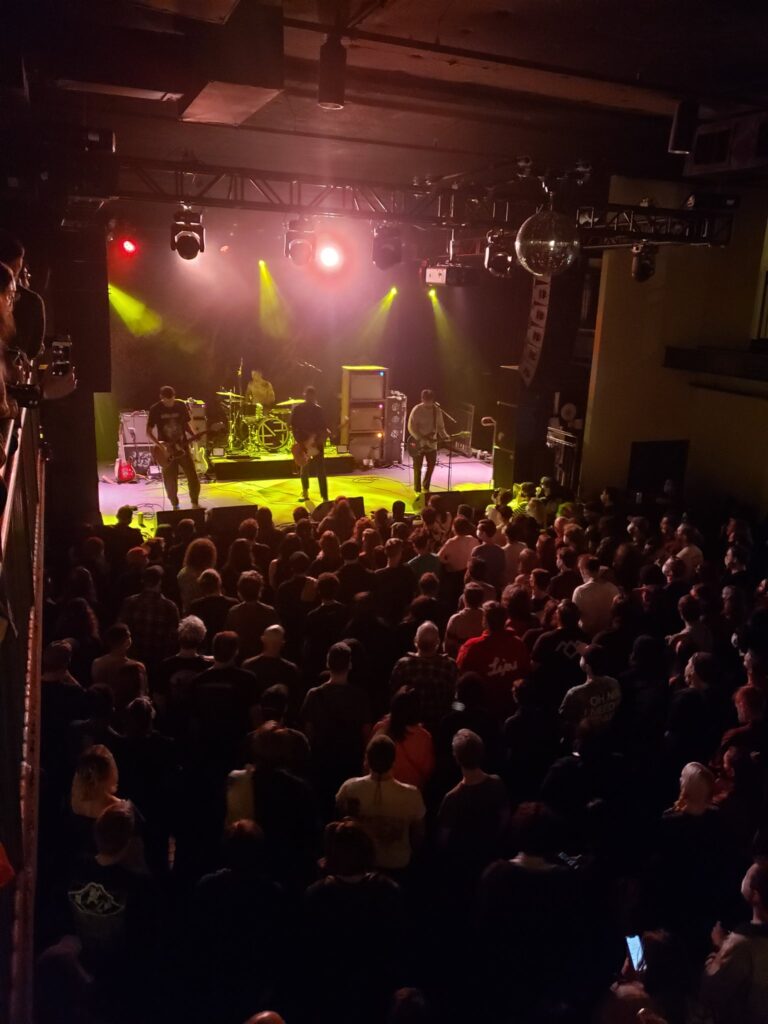
The big blue beckoning beacon of the Sinclair had never looked so warm as it did Wednesday night. This wasn’t my “return” to live music since The Happening – I’ve been to two festivals and a Phoebe Bridgers gig – but the former were festivals and the latter was outdoors and not necessarily my typical live flavor. This felt like a proper return for me, the first indoors show since March 2020 and my first time back at Boston’s best venue since….I’m not sure. I didn’t even get into the vax card line before I heard a passerby say “Why is there a line? It says there’s nothing tonight.” Fittingly, this was also the first night of tour for both Nothing and Frankie Rose as they embark on a month-long US tour together. They were also joined by local group Anxious for this three-band bill.
“Hello Boston, we’re Anxious” said Anxious singer Grady Allen, which led to an obviously hilarious and original “me too” muttered under my breath to no one. Their performance was anything but, however, as the band commanded a strong stage presence for a young band also playing their first show since COVID. The Connecticut group filled the stage with light and bodies, while Allen got the still-entering crowd hype for the rest of the show. It was easily the most energetic set of the night, with the quickest songs and a genuine mosh pit early. Allen provided the only real singer banter as he engaged with the crowd and talked about the COVID downtime. The band’s eclectic mix of hardcore and pop-punk culminated in a pair of new songs and the announcement that they recently signed to Boston’s Run For Cover Records. They closed with a rousing version of “Seeds” that was dedicated to Boston band Pummel, lovingly citing that they were the first to give Anxious attention.
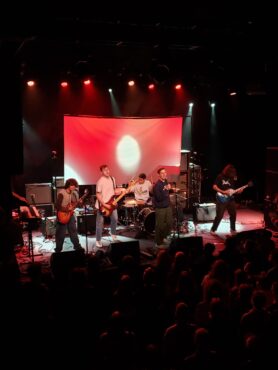
Frankie Rose get trippy
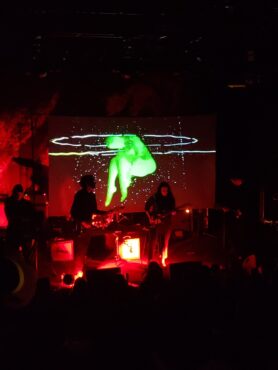
Frankie Rose’s performance in many aesthetic ways felt like the total opposite of Anxious. The band stayed geared toward the lip of the stage and stayed mostly shrouded in darkness, with all visual focus directed instead towards a projector screen behind them. Their set was accompanied by some glistening eye-candy animations that often looked like that of 80’s music videos. As the set wore on, the visuals became more and more colorful, starting in black and white shapes that looked like endless bureaucratic buildings and ending in a colorful array of formless psychedelia. It helped envelope me into the band’s sound (as well as help avoid what could’ve been a sonic decrescendo after Anxious). The 80’s inspiration in the music matched that of the video projection. Their set was full of metrical, new-wave inspired indie that was very easy to simply get lost in. It also presented an interesting opener to Nothing, who can be more on the challenging side sometimes. Much like Anxious, I admittedly went into Frankie Rose’s set blind, but I was won over almost immediately.
Nothing actually started their set about ten minutes before the announced time, which allowed them to do a couple minutes of quiet, mood-setting guitar noodling that nearly overshot dream-pop into ambient. It was an audacious start, considering the audience was tantrically waiting for an amp to burst. They transitioned into proper opener “Hymn to the Pillory” (the oldest song they played), but it was the second song “Say Less” that really got the crowd into their hands. The quick soundbite that opens the song played on repeat a couple times as a signal that things were about to get hectic. The transition between the two songs was natural, as if they were back-to-back on an album, and this was true for nearly all of Nothing’s set. The band used dreamy guitar licks, reverb and noise to link their songs together, sometimes with no real notice. I spent most of the set wondering if I should be surprised that they pulled these transitions off so well on their first show back, or not at all surprised given the downtime they had to practice.
Anxious filling the stage
The band pulled mostly from their aptly titled 2020 album The Great Dismal, playing five of the album’s ten tracks. They also played two of the three songs from their recently released Great Dismal B-Sides single, three songs that are much more lucid than the full album that shares the name. B-Side highlight “Amber Gambler” provided a mid-show palette cleanser as a bit of a lighter song before they transitioned fully into “The Carpenter’s Son,” a quiet and lengthy jam. Just as the audience was beginning to lose focus, Nothing ripped into “Famine Asylum” and brought everything racing back. “The Great Dismal” – taken from the B-Sides – was the closer and the only song preempted by a banter break as singer Domenic Palermo took a moment to thank everyone for their patience during COVID and morosely congratulate everyone for surviving. After a quick encore break, the band came out for a hurried and pounding performance of “Bernie Sanders” as the curfew beckoned. The band’s set was a robust and eclectic mix of styles, even as they pulled mostly from one album. The incorporation of shoegaze and post-hardcore elements has always made their music unique, and these influences really shined live as it diversified their sound song-to-song. Despite it being their first show back and likely their first time playing some of these songs to a live crowd, the band showed remarkable patience. They lingered on licks and dreamy moments, and never rushed too quickly into one song. The encore was the only time where it felt like the band was letting loose and enjoying the moment. It was a well-rehearsed and comforting set, something necessary on a night where both fans and bands were welcoming each other back.
“The Great Dismal B-Sides” is available everywhere now, as is their back catalog and releases by Frankie Rose and Anxious. Nothing can be seen on tour across America through December and Europe starting next March!
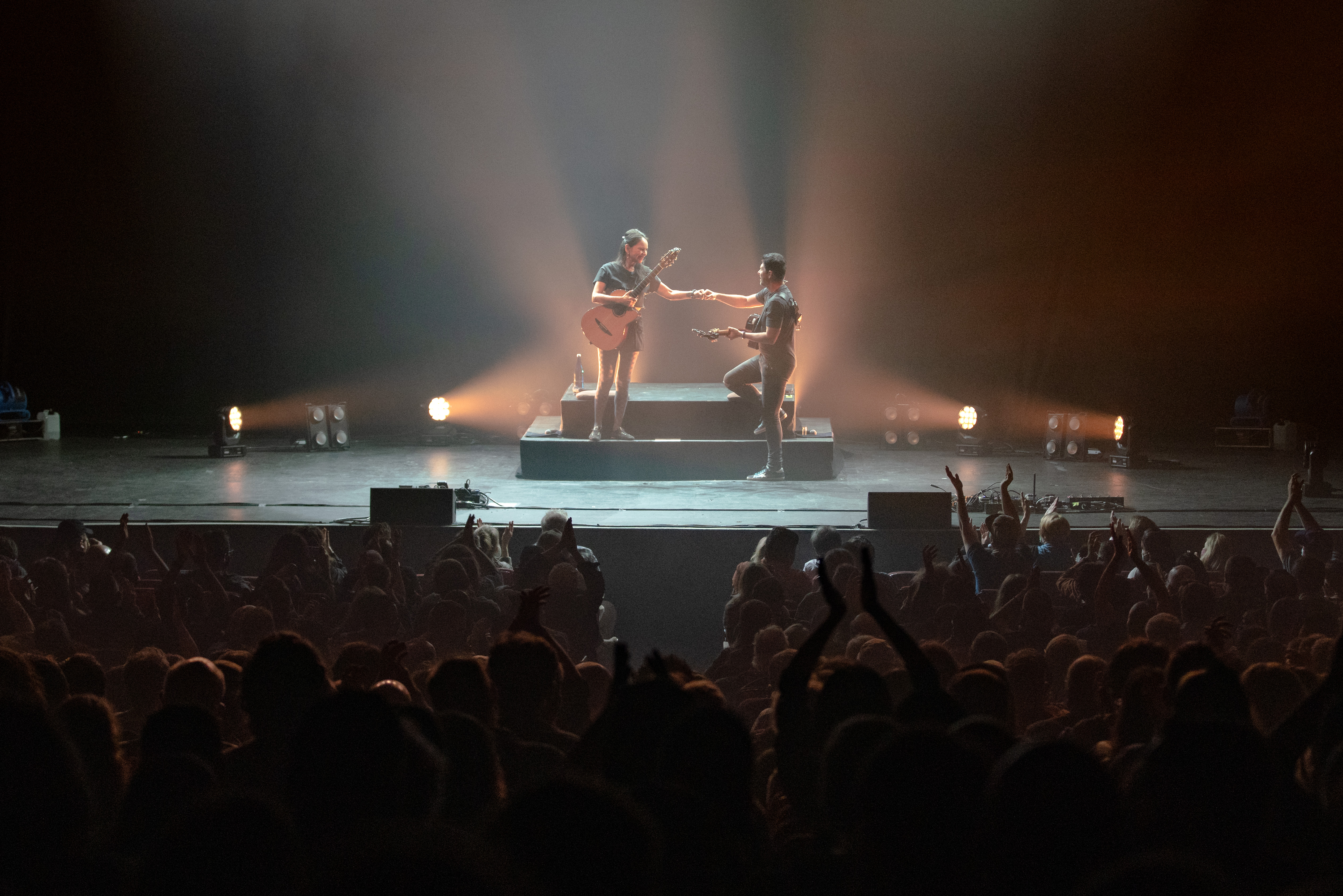
Last Saturday night, the virtuosic guitar duo Rodrigo y Gabriela (Rodrigo Sánchez and Gabriela Quintero) came to the Orpheum Theatre to deliver a fantastic performance of their most popular songs. The show opened with a solo set by Silvana Estrada, who quickly charmed the audience with her sweet vocals and gentle cuatro playing. Upon their arrival to the stage, Rodrigo y Gabriela immediately cranked up the tempo as they dove headfirst into their characteristically percussive acoustic guitar instrumentals. The setlist for the aptly-named “By Request” tour was a curated selection of fan-favorite songs spanning the duo’s entire career, as determined by poll. The result was a musical adventure, beginning with some of the band’s earliest songs and ending with selections from their latest, Grammy Award-winning album, Mettavolution. And to the audience’s delight, they even incorporated an arrangement from the Pirates of the Caribbean: On Stranger Tides soundtrack.
Rodrigo and Gabriela each had brief solo performances, but overall the show was defined by the harmonious combination of their talents, resulting in an experience few other musicians could match, despite the striking simplicity of their stage setup. Warm feelings abounded as the audience reciprocated the joy coming from the stage and transitioned from politely-seated to excitedly on their feet by the end of the concert. The “By Request” tour may be Rodrigo y Gabriela’s return from their longest performance hiatus in years, but their playing is as on-point as ever.
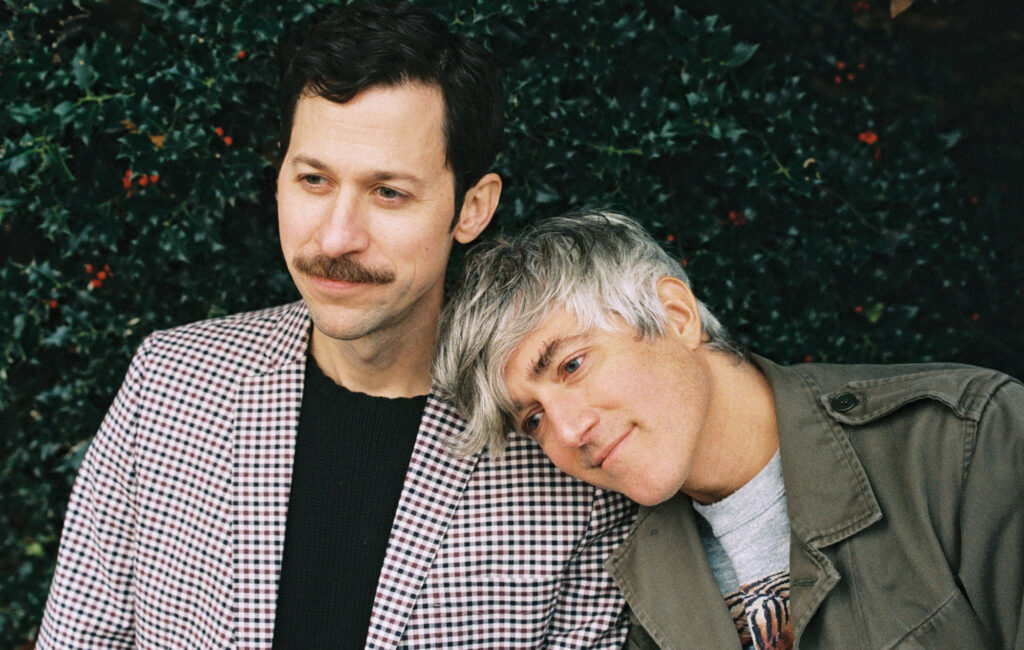
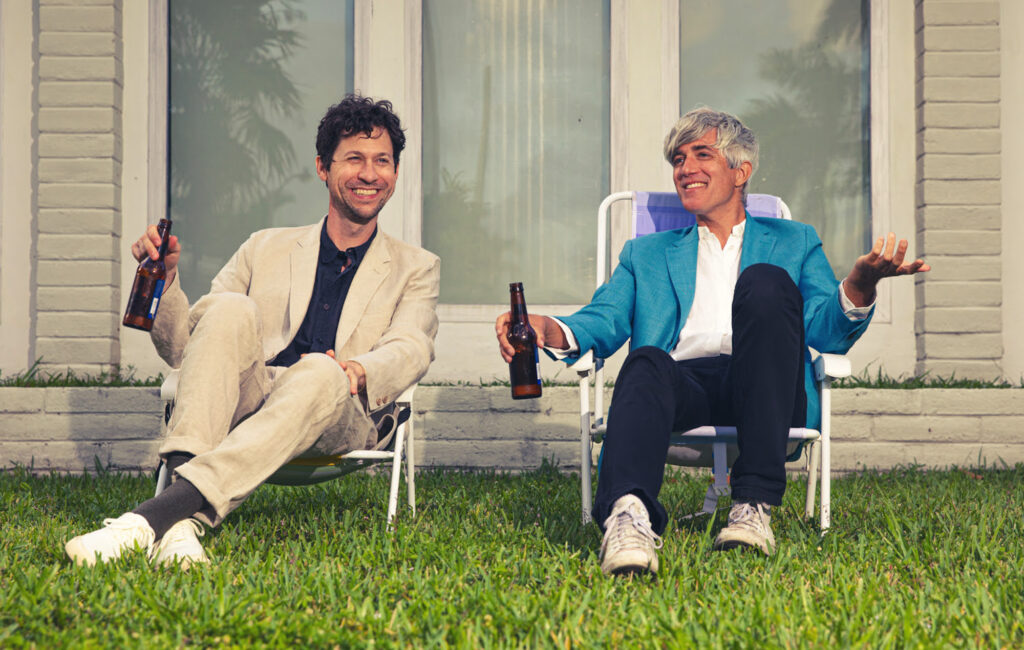
New York based alt-rockers We Are Scientists are back with their seventh studio album Huffy on October 8th. A bombastic collection of high octane bops that give fresh air to the group’s established sound. Led by a slew of singles culminating with the recently released “You’ve Lost Your Shit”, the album is ready to be heard and with the world reopen, Chris Cain and Keith Murray are ready to be back on the road. We recently spoke with Cain about forced cloistering, the prosperity of brown vinyl and the importance of friendship…
Allston Pudding: In 2019 you were interviewed by NME and you said you hoped to relax more and be more sedentary going into 2020. Now in the second half of 2021, how did that work out for you guys?
Chris Cain: It worked out fucking great. I guess it’s a classic one of those movie wish fulfillment things where you have to be careful about the way you phrase your wish because obviously what we inadvertently did was create a whole lot of down time for the entire planet. Which was not our goal. But it worked out great for us.
AP:Did the pandemic have any effect on the album, or your musical process in general?
CC: We initially planned to spend six weeks in a friend’s studio [while they toured Europe], and it was right as lockdown started. [My friend] is an Irish national, so he was not allowed to return. We had an additional six months in this studio which certainly changed the scope of what we were able to accomplish. We created a lot more music and ended up deciding to split [these songs] onto two albums. Huffy is up-tempo, which we felt people would want after 18 months of forced cloistering. The next album has more of a night vibe, not really introspective, but dance-y.
AP:What was the inspiration behind the title Huffy? You also have a pretty expansive merch rollout with this album artwork as well…
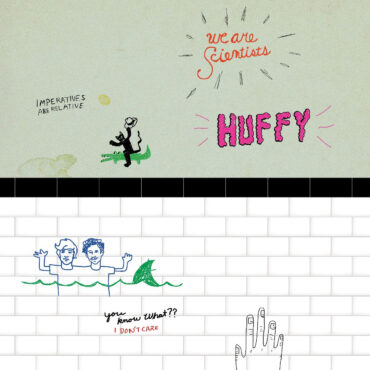
CC: We do. The title came, as all of our titles do, from the ether. [laughs] First of all, it’s always deadline provoked. When we realize we’re about a month out from having to pull the trigger on a title, we will, with increasing frequency, text ideas back and forth. 9/10 ideas are composed just to make the other person laugh, but there is this dare vibe like “what if we called it that?”. Huffy was right down the middle. Keith texted it initially as a joke but we talked ourselves into it. It jives really well with a Rockstar attitude and does so in a self deprecating way. The artwork idea was kind of spontaneous. We just flail about and when we land on an idea we like we just go with them.
AP:That might be more of a common practice than you think.
CC: Yeah, for most people there’s some degree of just throwing stuff at the wall and seeing what sticks. The practice of your art is just doing that regularly. For the artwork, I liked the audacity of it basically being blank, but then we give you stickers to put on it. We wanted it to look like a graffitied wall of a public bathroom somewhere.
Credit: Press
AP:In an interview Keith mentioned enjoying the freedom of self-producing this record. With that experience, would you continue self-producing moving forward?
CC: Yes. We love self producing. Were very introverted artistically. Keith and I, separately, have always tended toward individual art forms as opposed to collaborative ones. This band, obviously a huge exception to that, has nevertheless allowed the two of us to accept each other as collaborators but were still totally introverted about letting other people in. I think the challenge will be forcing us to not always [self-produce] in the future.
AP:What are you looking forward to the most with touring again?
CC: Playing Boston!
AP:Ah, that’s so nice of you to say!
CC: [laughs] Just playing shows is going to be insane. It’s the first time I can remember being nervous, like giddy-excitement. We’ve never taken a break anywhere near this long since we started and we’ve got so much material that we want to get out there.
AP: The two of you have maintained a pretty positive working relationship throughout your careers. What would you say is your advice on making that work?
CC: A big reason ours has worked so well is because of the underlying friendship. It’s just kind of luck, like how do you meet the friend that your friends with for life? There’s effort that goes into not allowing a shared job to corrupt that friendship, but I think we are long past that as an issue. We were around 28 when this band kind of hit. It’s probably harder for kids to figure that out.
AP: If you could only drink one cocktail for the rest of your life, what would you pick?
CC: I’ve been obsessed with a variation on the Manhattan that I discovered while developing one of the cocktails for our “Cocktails of Huffy” series: The Earth Scoop. Sort of a modified Cuba libre. It’s Coke, bourbon, Amaro and lime. Blended with ice.
AP:Looking through your cocktail series the “Earth Scoop” was definitely my favorite name and did look delicious.
CC: It is, and I think it’s the best of the cocktails and it’s the worst performing vinyl color. We gave it a great name but at the end of the day people do not want a brown vinyl [laughs].
AP:See, I was looking at the choices, thinking through my collection and I don’t think I have a brown vinyl, so I would very much be drawn to the “Earth Scoop”.
CC: Well the larger statistical picture I’m seeing unfortunately does not validate your feelings. But I feel the same way! I had never really seen brown vinyl, but maybe that’s for good reason.
AP: If you were a scientist, in what field would you be studying?
CC: I loved chemistry. I wasn’t good enough to be a good chemist or to think that I might ever work in it, but I think it’s the coolest of all the sciences.
AP:Lastly, did you ever make up with your old friendMorrissey?
CC: You know, we haven’t broken bread. Does Morrissey eat bread? Is he Gluten free in addition to everything else? Like what do you do? Raise a glass? Does he drink?
AP: Judging off his personality, I think you both blindly worshipping him would be a good start.
CC: Yeah, compliments and worship would go a long way.
Check out Huffy, the new album from We Are Scientists out this Friday, October 8th! Make sure to follow the band for more updates on Facebook, Instagram, Twitter and YouTube!
When you’re a teenager and you first start making music – maybe by picking up a guitar in a garage band, fiddling with some torrented DAWs on your first home computer, rapping over beats you ripped from Soundcloud, pick your poison – it can be hard to see the larger vision, to remind yourself that this is something you’re going to have to stick with, hone, and commit to if you really want to get good at it. Our expectation is immediate, that we’ll be as good as our idols right out of the gate. Many are disheartened to find that this music shit takes dedication.
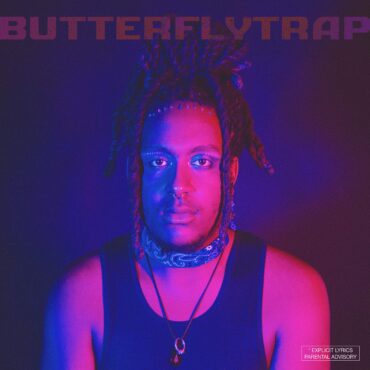
BUTTERFLYTRAP Album Art
Enter Arkh Zeus, who started rapping on beats when he was just 15. Fast forward six years later to the point where he’s producing his own material (with assists from longtime friend and collaborator Owen) and you can see an example of the progress he’s made, a progress that you can easily track since all his albums, even those early teenage efforts, remain streamable.
Back in 2020, we covered Tensai IV, another entry in Zeus’s album series that follows the saga of an anime-influenced hero that serves as a stand-in for the rapper, one honing his own craft. I was pretty hooked to his sound from the jump. For the latest episode of The Puddcast, I sat down with Zeus. In the episode, Zeus walks me through the larger story arc at play across the multiple albums in the Tensai series, plus his progression as an artist, the honor he would take in going toe-to-toe with some of his biggest influences in the rap game, and our mutual love for Kid Cudi.
Since recording the episode, Zeus released a new project called BUTTERFLYTRAP in September, a temporary departure from the Tensai storyline.
Listen to The Puddcast wherever you access your favorite podcasts. Be sure to subscribe to the show and share with your friends, too. Plus, stream Arkh Zeus’s music on the streaming service of your choice. Also, be sure to check out the accompanying playlist on Spotify, which features Zeus’s tunes as well as some of the artists who get shoutouts on the episode.
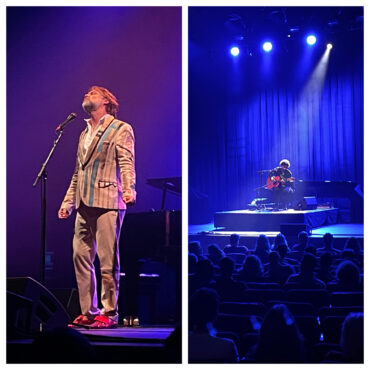
Rufus Wainwright and José González (Photos by Dan Moffat)
As I turned the corner out of Boston Common down Hamilton street, it felt like I’d stepped back in time into old Boston, with The Orpheum text gleaming on the marquee in Gatsby font. And then the new Boston: a crowd of people ahead of the entrance showing proof of negative COVID (test, vaccination card, or getting rapid tests). The personnel running the line were surprisingly efficient and upbeat, so my apprehension quickly subsided, and I got through the queue in no time. The magic of the theater drew me through the doors and it was on to the show.
First up was Swedish singer-songwriter José González, who is touring behind his latest album, Local Valley. He walked out in a smart black coat, slacks, and dress shoes, which seemed appropriate for the seated event. González sang while securely perched on a drum riser and behind a nylon string guitar. With 2016’s “With the Ink of a Ghost,” he kicked off his set, which bewildered the audience through the steady prowess in which he delivered his signature virtuosic instrumental (how does he play such a clear melody with his middle and ring picking fingers?) and hushed voice. González slowly deployed his subtle arrangements as the audience listened with rapt attention: a buildup from finger picking to strumming songs, use of a contact microphone (for a kick drum sound), and very trippy vocal effects.
González’ banter was minimal, but original. We got a story from earlier in the day about his venture into the Common where he saw a big bird that was chasing squirrels, and an intro to “Leaf Off/The Cave,” of which he said was “inspired by enlightenment and Plato’s cave.” The most talkative moment was near the end of the set, when he asked the audience if we wanted to hear a cover. He let us vote by voice between Nick Drake, Paul Simon, and Al Green. For a minute there I felt like I was at a particularly hostile Red Sox game as an old-fashioned Fenway Park-style shouting match ensued. In a flair of improvisation, González stood up and took off his black jacket in anticipation of announcing the winner, as he revealed a green and white patterned shirt underneath proclaiming, “It’s going to be Green!” and launched into “Let’s Stay Together.”
My favorite moment came as soon as he kick-started “Crosses.” It was Tingles-Town for me, folks. He closed with “Tear Drop,” and then said goodbye as the seats continued to fill for the upcoming Wainwright performance, which José promised would bring him back to the stage.
Strutting into view with ruby red slippers, Rufus Wainwright immediately notched up the chat meter to a level 10, as he transported us into his world. He was accompanied by a backing band consisting of a guitar player, double bassist, and keyboardist. Mr. Wainwright talked profusely in between tunes, as he told us about his adoration for silent movie star Louise Brooks (who he joked about following on IG), not dedicating song to the previous administration, and about being conceived in the 1970s on Beacon Hill.
His opener was 2020’s Unfollow the Rules cut “Damsel in Distress.” His iconic vibrato rushed forth like a fountain, which he commanded with aplomb throughout the entirety of his set. He continued to feature tracks from the latest album Unfollow the Rules including “Peaceful Afternoon,” (which had some fantastic hand percussion happening on the double bass) and “You Ain’t Big.” “My Little You,” a song about his 10-year old daughter, is a short song, or as he described it, an “Amuse-bouche.”
Mid-set, José González returned to the stage to duet vocals with Wainwright on two covers. González lent a wonderful lower harmony to “Harvest” by Neil Young, backed only by a solo guitarist. Wainwright soared gloriously above in the higher harmony. It was the kind of unexpected moment when two unlikely and world-famous artists connect over someone else’s music. I need this recorded.
Wainwright closed out the night with more magic and ended his much-lauded encore with hit “Going To A Town,” and we clicked our heels back out into the Boston evening. There’s no place like home, or The Orpheum, with Rufus Wainwright and José González.
After over a year of pandemic-related delays putting a stop to live music, Brooklyn-based avant-rock band Activity is finally readying to go on their first tour. The group — comprised of singer and sample operator Travis Johnson and drummer Steve Levine from Grooms, guitarist Jess Rees from Russian Baths, and bassist Zoe Browne from Field Mouse — is setting out to perform across the continent for the first time, including a stop at Boston’s own Red Room at Cafe 939 on October 8th. The tour follows Activity’s debut record Unmask Whoever, which was released in March 2020 and blended dark, moody, synthetic textures with disorienting instrumental hazes, as well as a new single from the band ahead of these shows.
Released this week, “Text the Dead” is a track developed after the recent passing of Johnson’s mother in February from pancreatic cancer. About the song, Johnson says the following:
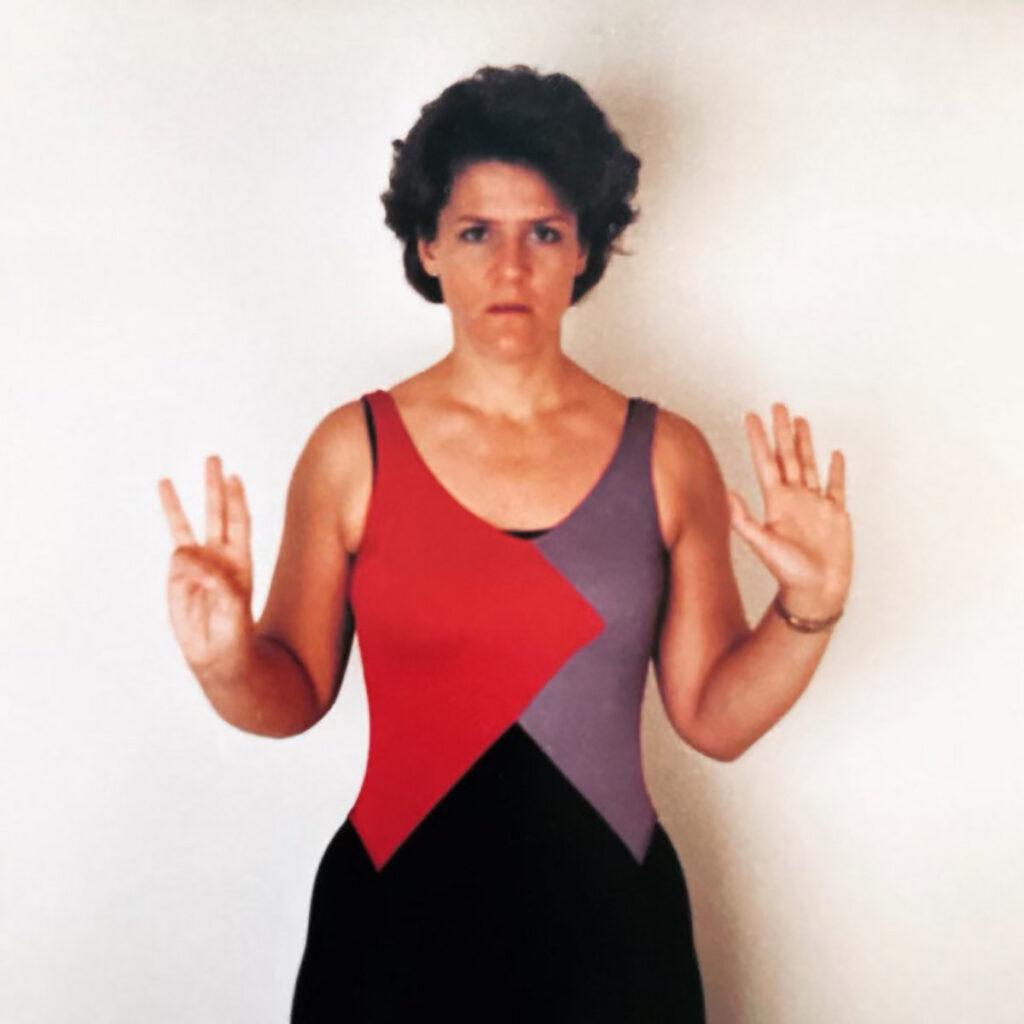
“I remember her telling me over the phone, when I was losing it, “Don’t worry, I’m not going anywhere.” I knew how awful the diagnosis was but I didn’t want to tell her and I really tried to cling to her telling me that. Throughout the day, still, I’ll catch myself thinking “I should tell mom about this or that” or “I wonder how my mom is doing” and get out my phone to call or text or email her before I realize that I can’t talk to her, and that I can’t talk to her about how I can’t talk to her. Knocks the wind out of me and makes me feel insane every time. That’s a picture of her when she was probably about my age on the cover. It was built on samples I’d put together and really mutilated a long time ago and forgotten about. I was going through old stuff and found it and started singing the verse melody.”
The cover for Activity’s “Text the Dead,” featuring a picture of vocalist Travis Johnson’s mother
Ahead of the single’s release, we talked with Travis Johnson about Activity’s formation, how “Text the Dead” developed from its nascent state, and Activity’s tour ahead.
Since Activity came together from other bands, what brought all four of you into one group to make music together?
Steve and I had played together before for a very long time in Grooms, and I got an itch to not do that band anymore, but I knew I wanted to keep playing with him. We had just started playing with Russian Baths and it was maybe Steve’s idea [to ask] Jess [if she wanted to play with us]. I think, the first couple times, it was like “maybe Grooms was gonna be over, maybe not.” We were still feeling it out a bit. Jess came over to our practice space, and it was just me and her, and we saw what it was like to play guitar together. And it went super well and was exciting. We started writing songs [with Steve] when Jess was like, “We need somebody else.”
Maybe a week after that, I was at a birthday party and Zoe was there and I asked if she’d be interested. I didn’t know Zoe all that well at that point, and I don’t think Zoe ever played bass before. She was a guitar player and a synth player. So it was like a “let’s do whatever we want” kind of thing. I wanted to start a band that felt like a clean break, even though I was still playing with one of the same people. I liked the idea of [going], “Yeah, learn how to play bass! I’m learning how to play a [new] sampler!” It was kind of like one friendship leading to the next member joining, and each time, it just happened that the first person that came to mind was great.
On that note, since you and Steve came from Grooms, but Jess and Zoe came from different bands, how did you bring together all your different backgrounds from different bands when forming this group?
I don’t actually know except that I like what everybody does. I don’t know how much of an influence the other bands [where Zoe] doesn’t play bass are on the way she plays bass [with Activity]. To me, it’s very creative and tasteful and kind of krautrock. And then Jess is able to do stuff in this band that she doesn’t do in her other band, which is maybe part of the way that it actually does influence things. She can play more textural, less riff-oriented stuff. Like, [Russian Baths has] a lot more riffs and chord progressions.
A lot of times [with Activity], it’ll literally be like I have a sample and made a loop. I’ll let it play, and all of us will play on top of it. Sometimes it’ll be just me and Jess — like if we’re the only two people who can play that night — and we’ll just be vamping on top of it for 45 minutes. Maybe it won’t get anywhere and we’ll never play it again, or we’ll be like, “It’s cool, the sample’s good, but we’re not getting anywhere.” But that’s something new that we both get to do in this band. I wanted to do more of that in Grooms, and it never happened.
Yeah, to me, you can sense that’s where things are starting to head on Grooms’ [last album] Exit Index. For you, what drove that idea to root things more around samplers and electronic percussion and more synthetic influences?
“Synthetic” is kind of a really important word I think about a lot [because] I want things to sound kind of not real. And not just like that it’s a synth, but that it actually just sounds fake. I had been getting in that mindset a lot with Grooms. I’d always liked stuff like that and I started to realize, with Grooms, everything we were putting out was hitting people as sounding like shoegaze — which I barely listen to — or Sonic Youth. I’d be like, “Oh, I’m not pushing certain elements of this as far as I [like]. It’s still not coming across.”
So with the new band, it was just like, “Well, let’s start there from the get-go.” There are some guitar-oriented, thoroughly rock songs, but that was kind of like the default setting for Grooms and we tried to push the synthetic stuff into that. With [Activity], every practice we set up the synths and we set up the sampler. Maybe [we’ll make] a guitar song, maybe it’s not. Maybe it’s the sound of someone singing into a mic, and then that gets looped and mutilated through effects. It’s just kind of a matter of starting in a different place.
Kind of centering things in a different place than trying to attack it consciously from the outside?
Yeah, exactly.
The Activity band bio says you started recording only six months after forming as a group. Can you talk about how the energy was when you all got together and how you came to know it was the right time to strike with recording?
A lot of it was just the way it worked out, which was that — right before Grooms ended — my friend Jeff [Berner, the band’s engineer], who I had actually just met, was like, “Hey, I’d like to record Grooms. I have a free day at the studio. Just come in and we’ll do a song.” And I was like, “This band’s going to end.” This was maybe even at our last show, I can’t remember. But I was like, “I might start something new.” So within six months of me, Jess, and Steve playing together, and three months of Zoe joining, we had a free day in the studio. So we got three songs ready — two of which made the album, and one came out as a B-side. And that right there got us into a mindset of what we could sound like in the studio with Jeff specifically, who understood our impulses and what we were thinking from the get-go. Then we booked [sessions for] the rest of the record a couple months later. There were probably eight more songs that we didn’t record or even try to record. It was really weird; I’ve never been in that situation before. Instead of it being like pulling teeth to get ten songs, we couldn’t even whittle it down.
Exactly the right creative energy, I guess.
Yeah, I mean, leave it to the listener to decide, but for us, it felt great.
Moving onto “Text the Dead,” you mention in the song description how you had returned to these samples you had been working with and developed the vocal melody from there. At what point in the process of working on the framework of the song did you know that the song would be about what it’s about?
In a way, immediately. Even now, I’m never not thinking about my mom. Like, just now, I was at the gym and thinking about her the entire time. So it would have been difficult for me to not write that at the time. But, a lot of the time, the way that I write lyrics is that, if a phrase grabs me, I’ll write it down and then I’ll think, “What is this about?,” and I’ll flesh it out from there. I can’t remember what the first line for this was — it might have been “You’re not going anywhere.” And I was like, “Well, I know what that’s about,” and then I worked outward from there.
But [for] the timing of when we were working on it, I was going home to Texas a lot to visit family right after my mom passed away. I was coming home and needed to quarantine because I had flown, and that was happening a bunch. It was right before I got vaccinated, and [my mom] had gotten her first shot. I was quarantining and was trying to make music, or trying to think about anything that felt helpful. That’s when I was like, “Oh yeah, this session!” I can’t even remember how old it was, but I was like, “Oh, this is great. Why did I never use this for anything?” And, at first, the melody just kind of happened there, and we finished recording it in June. So it wasn’t like a conscious decision, it just kind of happened that way. But given the timeline of when it came together, I don’t think there was any way it was going to be about anything else for me.
About the sound of the song itself, you mention in the track description taking samples and “mutilating” them. How do you transform these samples into the end product?
I’ll just go through songs sometimes and grab milliseconds of a sound, and then be like, “What does this sound like if I do this?” I think [“Text the Dead”] started with the drum track — there are like three or four drum layers on top of each other. It starts with one thing, and then another thing [comes in], and at one point there’s like three different samples going on top of each other. I think it was whatever that percussion was from that was the start of it. At some point, [I] probably dialed back some of the “mutilation” factor. I was like, “Oh, this is just too distorted.” [Laughs]
In terms of what the rest of the band brought to “Text the Dead,” how did they take the song from its framework and build upon it?
The first thing was that I sent it to people and was like, “Is this good?” And that might have even been before I recorded vocals for it. And everyone was like, “Yeah, this is cool. Let’s do something with it.” Everyone’s input was what we could do without access to a studio — we didn’t have time and maybe we also invited the limitation. So Steve came over with a snare drum and we mic’d the snare drum, and then he helped a lot with the vocal melody — which he’s never done before, I don’t think. And then Jess is kind of fluttering in and out guitar-wise throughout the song in ways that don’t always sound like guitar. And then Zoe came up with the chorus — I guess it’s a chorus, even though there’s only one of them. She came up with that melody, and then she and Jess doubled it. And that was kind of it. A lot of the first Activity album was like that too, where it was whatever anybody wants to add and then everybody will be like, “Yeah, that’s good, do more of that.” There wasn’t a lot of ego involved, and nobody was like, “Well, it has to be a full band performance.” There was no idea that had to be the case.
At this point, it’s been about a year and a half since Unmask Whoever came out and you’re just able to go on tour now. How have you as a band been keeping active in the time between that?
We’re pretty much ready, but we’re trying to figure out when we want to go in and record the next album. The three of us that all live within a couple blocks from each other started practicing, and Zoe — who lives in Connecticut — started coming down after we were all vaccinated. We were sending her voice memo recordings of what we were doing together. We had like twelve full-band songs, and then there’s another ten like sampler-y mode [of songs] — kind of like “Calls Your Name” on the first Activity album. So we have another twenty songs that we were working on, starting from whenever we started practicing. When we did [start practicing], it went very quickly. So, we just threw ourselves into that.
And then once we had the tour scheduled, we were like, “Which new songs do we want to play on tour?,” and got those down. To a certain extent, normal band stuff — except we couldn’t tour or record. It was a little like being in high school [and] being like, “We’ve got a band! And we have all these songs!” But you can’t get a show and you don’t have any money to go record in the studio, so you just kind of have these songs. So that’s where we’ve been for a while.
At the very least, I can imagine it gives you the time to develop things, even if everything else is less than ideal.
Yeah, it wasn’t a bad time, in a lot of ways, because there was nothing else to do. It wasn’t like, “Oh, I can’t practice for the next week because I’m going on a trip,” because there were no trips. There were no nights where anyone was like, “It’s date night,” or anything like that. So it was just a lot of time to sit and have long jam sessions, and a lot of time for me personally to sit in front of a computer and try to wrangle sounds into things that sound okay. It wasn’t a bad time in terms of that. Obviously, it was a horrible time in terms of everything else. But it was pretty conducive to being alone with your creative partners and just going for it.
Activity did a Bandcamp Friday tie-in a couple times where you would send song fragments in development out to people who bought stuff from you that day. Have any of those developed further than the form you sent them out in?
Yeah, I think at least one of them is like a song song that we still haven’t played on because it’s a sample / drum machine kind of thing. But the whole thing was completely from [going,] “Well, fifteen people bought the record yesterday. I want to make fifteen things that are good. They don’t have to be award-winning quality.” But some of them felt really strong and I was like, “I’m going to keep following this.” I felt kind of bad because some people were getting things that I [thought] were way better than the other things people got. I played all of [them] for Steve and was like, “Is any of this cool?” And he was like, “Oh yeah, even if it’s just fifteen or twenty or thirty seconds of this, as a segue or something.”
Actually, two songs that Jess sings [arrived] this way. That was totally just me being like, “Jess, too many people bought records! I need help! Can you write anything?” At least one or two of them were awesome, so those are new songs.
Since you have your first tour as a band coming up, how does it feel to finally be getting to perform these songs in a live space after waiting since the record came out?
I guess I don’t know yet. I’m really curious to see. I think it’ll feel amazing to play them, to hear a kick drum coming back through a monitor, or a venue with a good sound system. Or a venue without a good sound system! I think it’ll be a blast. I have no idea how many people even know we’re a band. [Laughs] But it’ll be interesting for sure. We’re really excited to do it and get to go live in a van together for a couple weeks.
Activity’s new single “Text the Dead” is out now. Stream it below via Bandcamp. Activity plays Boston at The Red Room at Cafe 939 on October 7th. Purchase tickets for the show here.
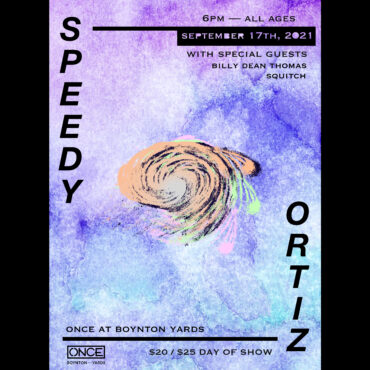
Over the course of the past 10 years, Speedy Ortiz has charted their own path towards critical and commercial success. With a heady style of indie-rock that emphasizes Sadie Dupuis’ thought provoking lyrics, the band has become a leading light in the vibrant east coast scene. They’ll be playing at Boynton Yards (the temporary outdoor space of ONCE Ballroom) this Friday, September 17th, for their first and perhaps only concert of 2021.
What to expect? Sadie (singer/guitarist) is wondering as well. “My guess is as good as anyone’s. I’ve been one of the people on the less socially active side of the spectrum during the pandemic and this will be the first gig I’ve gone to… It’ll be great to see [openers Billy Dean Thomas and Squitch] and get a chance to drive in the car with my bandmates, which sounds like such a silly thing to miss but I’m excited for that.”
Dupuis has stayed busy with a variety of music-related projects during the pandemic, including contributions to the recently updated 500 Greatest Songs of All Time list by Rolling Stone. The list is chosen by members of the music community/industry who submit their top 50 songs and RS tabulates the votes. The winner for number one song ever was “Respect” by the Queen of Soul, Aretha Franklin, but Dupuis’ choice for top spot goes to “More Than A Woman” by Aaliyah.
Ever eclectic, Sadie seems to draw inspiration from a wide-range of sources, maintaining a unique sense of originality that has manifested in collaborations with artists like Lizzo, while channeling alt-pop impulses into a solo project called Sad13. After our conversation ended, my Skype call was still on, and I could even hear (someone I assume was) Dupuis comping slick jazz guitar chords into the early evening.
Catch local grunge-pop icons Speedy Ortiz at ONCE this Friday. Tickets available via Eventbrite
 Allston Pudding: What was the inspiration behind the album artwork? Especially the eyes?