Donna Vatnick On Borscht, Mud and the Power of Art

Credit: Sandjida Aktar

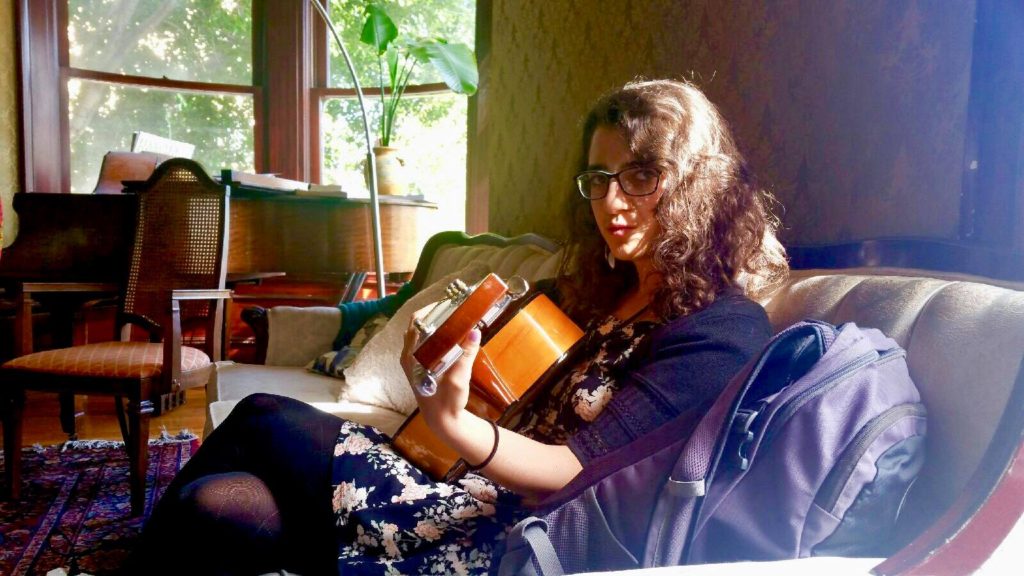
This week we spoke via Zoom with Donna Vatnick who released her solo album Memos from Borscht Belt on December 9th. Known for her work with folk duo Otter and also indie rock group Strawberry Machine, Vatnick embarked on a trip to Upstate New York to the remnants of a once bustling community of Jewish settlers known as The Borscht Belt where inspiration struck. A somber and reflective collection of eight tracks, Memos sees Vatnick at her most personal and raw. 

Allston Pudding: What brought you to Monticello, NY? To the Borscht Belt?

Donna Vatnick: At the beginning of COVID I was living in Boston, my partner and I were newly dating and we were like “what do we do?”. He was living in New York so we just moved to our mutual friend’s house in Connecticut, in the middle of nowhere. It was communal so there were other people living there. After a while we were like we need to get away from here, so we just rented an Airbnb for a month in Upstate New York. I later found out that the Borscht Belt was the center of European/Jewish life back in the day and I’m a first generation Jew, my parents are from Russia, so borscht is my life. There were all these Hasidic Jews, and I hadn’t been around Jews in such a long time. I couldn’t really hang with them [due to COVID] but there were all these bakeries and challah bread…

AP: So you could still experience that community feeling?

D: Yeah and I don’t fit into it because I’m a woman and not Hasidic, but I still felt this interesting kind of connection to this place that I don’t really understand. So it was basically an accident that we ended up there but it was a really cool accident. 

AP: Was the decision to release the songs stripped down a quick one? Was that always your intention?

D: Yeah. A lot of songwriters that I’ve talked to during quarantine have expressed a feeling that the open mic vibe is gone because you can’t have live music. And a lot of people I know were still writing songs but didn’t know who they were writing for. There’s this breakdown of meaning now that there’s so much distance between people, and most musicians I know don’t want to spend time recording their own stuff – or don’t have access to [a studio]. So I thought what if you just take your voice memos? Most songwriters just have thousands of them on their phone and it’s beautiful stuff from the moment it’s born. I’ve been wanting to do something like this for many years but I was always nervous because it’s not going to be “perfect”, it’s gonna sound like shit, phones suck, and judgement blah blah blah. But we’re all really vulnerable right now and I can be too. I can be naked, who cares [laughs]. I just hope that people are like, oh I can still share my music and it doesn’t have to be this big release and it doesn’t have to be marketed. It’s music for the sake of connection. 

AP: Well they definitely don’t sound like shit. They’re very beautiful. I love the peaceful, devastating, emotional kind of feel that the album has. What was the recording process like? Was it just you?

D: It was just me. I told myself when I went to the Borscht Belt that whatever I make in that month will be on the album. I made a lot of things, but I decided to go with the simplest ones. Don’t do anything crazy, just keep it simple. Listen to Johnny Cash and just chill the fuck out [laughs]. It doesn’t have to be complicated. I would write a song, record it on my phone and it’s done. I usually didn’t even have the lyrics written out. I would just improvise them so most of the songs I didn’t plan. Probably didn’t play them more than twice before recording them. Then I sent them to my friend Jason Kimball and he would just make the volume a little higher, [made some adjustments] and that was it. 

AP: How long would you say from the start of recording did you feel like, okay this is it I want to release these?

D: Less than a month. I went to Borscht Belt in November, I wrote most of the songs in the last two weeks and then released it the first week of December.

AP: You mentioned Johnny Cash, but who would you say your influences were for this or for your music as a whole? 

D: For this: Johnny Cash. I’ve never listened to Country music before, I think partially because my family is not from [the US]. Also The Carter Family, Guthrie, Adrienne Lenker – obviously. She came out with her album right as I was already half way through doing mine and I adore her. 

AP: How would you say quarantine has affected your creative process? I know with this album being stripped down and without using a studio, but how would you say it’s been impacted beyond that? Compared to how you would work with Otter and Strawberry Machine? 

Courtesy of Vatnick’s Bandcamp

D: So I’ve been writing songs by myself since I was a kid, and I still am very insecure about the whole process. I just hate showing people my stuff. Being in a group like Strawberry Machine or Otter it was a lot harder to write songs that were only mine. I was writing songs with Clay Williams [of Strawberry Machine] and then writing songs with Jason and I feel like I’m constantly with other people doing different kinds of musical collaboration. Which is so magical and amazing and over the years it’s helped me be more confident, like who cares if no one likes it? But I think something that has shifted this year is this feeling of having to do this alone in some way, and there are things that I have to write and reflect on that can’t have another person there when I’m doing it… I have to sit down and really let myself be honest with myself. When I was writing this album that was really hard because I forgot how to build that relationship with myself in some ways. But the words that came out of my mouth on this album really mean something to me in a way that’s not conceptual or metaphorical, they’re just so basic it’s terrifying. They’re about life and they’re about my relationship with my partner and then to release it to whoever is also terrifying.

AP: With you being around your collaborators so often are there plans to revisit Strawberry Machine or Otter? 

D: Yeah. Jason and I, [who make up Otter], are releasing our next album called Old Growth that we’ve been working on for about a year and a half. It’s about old growth forests. These forests that haven’t really been intervened with that develop this really rich texture and history. Walking around there’s this energy that is so full and dense. So we recorded that before COVID but have been editing it for over a year and were also working on another album now. With Strawberry Machine, we live together most of the time but haven’t been writing as much with [everything going on] and with Clay being a teacher and [teacher’s are] in such deep shit right now but we hope to release an album in the next decade [laughs], but it’s hard to predict. 

“You can’t judge the creative baby. It’s just a baby. It rises and needs to eat and needs to sleep and you have to be able to feed it…”


AP: Would you ever plan to release more solo music like this?

D: It depends on my mood I guess [laughs]. Right now there’s nothing in my head that’s telling me “Oh I have to do this”. In November, going into a quiet non-communal place like the Borscht Belt where I could process my feelings of the last year I knew I had to do this, but right now I don’t know what’s to come. You can’t put too much pressure on that. It’s magical because you don’t know, you don’t constrain it. I’ll just see if the winds bless me or not. People put a lot of pressure on themselves to make something great but you can’t judge the creative baby. It’s just a baby. It rises and needs to eat and needs to sleep and you have to be able to feed it and touch it’s head and not judge it when it’s coming out… you can judge it later. 

AP: Would you have any advice for artists who feel like they are bogged down by this year? 

D: Ooof, I wish someone would give me advice [laughs]. There’s so much going on and it’s so sad on every level, but I think it’s important to be hopeful and think things might get better. But it’s also understandable and important to feel like this is not good and the future is very uncertain and we don’t know but there’s always this illusion that we may. And as an individual you feel like I have to do my part but there are these whole systems and we as individuals can’t change that – which sounds horrible…

AP: Yeah it’s like David and Goliath, but we just have to know that there’s all these other individuals who feel that same way.

D: Exactly. And the power of art, historically, is to bring people together and make people feel less alone. I think relationships are the most important things in the universe and they keep us afloat. So I guess my advice to myself is to keep my relationships strong, whether it’s family, friends or new people, to treat them with complete respect because that is the most important investment. More than money, more than your career. 

AP: More of a silly question I suppose but you use a lot of natural sounds in your music and I was wondering if you had a favorite sound that resonates with you or brings you comfort?

D: This is weird but I do love the sound of mud, like stepping in it but I don’t really record that [laughs]. But obviously birds, running water, wind – the basic stuff. I love bugs, all kinds of fluttering and chirps. 

AP: I’ve always loved the sound of crows in the early morning or the sound of night in the winter. Almost completely quiet except this white noise that permeates the air. 

D: Yes! That is so beautiful, the woods in the winter is like fucking silent. You go out there and sound is just absorbed by everything and you’re like, “am i even here?”

AP: I find myself subconsciously holding my breath in moments like that and I have to remind myself that I can still exist in that environment at that time.

D: Totally. It’s almost funny because we do feel so separate from those spaces like why else would we hold our breath and ask “should I step in this pristine snow? Should I really ruin it with my humanity?” There’s this funny distance, like we are part of it but we aren’t but we also are? 

You can listen to Memos from Borscht Belt below, and check out Otter’s new album Old Growth out now!


You Oughta Know: Izzy Heltai


Every week, we’re here to remind you of the local artists we love and think you oughta know.


Part of growing up is realizing our parents are real humans with feelings, and with real, often relatable flaws. Sometimes that realization brings us closer to the people that raised us—sometimes not. 

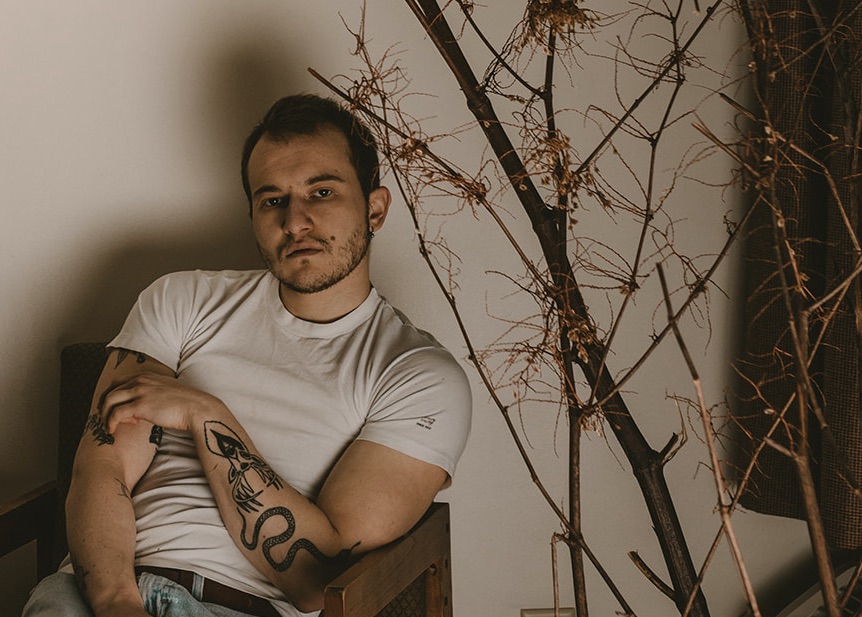
Northampton-based folk artist Izzy Heltai calls it knowing his parents in 3D.

He also wrote and released an album in October centered around this very idea, titled Father. The album sounds like autumn, with tinges of Fleet Foxes vibes in the melodies and their soothing harmonies. Musically, Heltai relies on his strengths in this one—it’s mostly his raw voice and acoustic guitar. But then there’s elements of alt. country when we hear the pedal steel guitar layered in (like on “The Stranger You’ve Become” and “Songbird”), and indie rock when he breaks out the electric guitar and piano (“To Talk About Yourself”).

It’s an album all about identity, from reconsidering romantic relationships, to coming to understand his father, and realizing that someday he could actually be a father (a gendered role that he had barely considered, being young and trans). But he didn’t exactly mean to write an album about it.

“It kind of just happened. Then when I stepped back and looked at this collection of songs, I realized this beautiful narrative that was pretty strong throughout it.”

In a way, it makes sense that songs about transformation surfaced on this album. Heltai, who originally hails from Brookline, wrote them all between the ages of 18 and 23, a time when many of us have the freedom to explore and start figuring out our own identities beyond our relationships with the people we’ve grown up with. “So much growth happens in that time. So it’s cool that these songs were there to parallel and personify that transition in my life,” Heltai says.

The process of coming into our identities is largely informed by who our parents are. For many of us, identity is wrapped up in the DNA we share with them. We’re also shaped by our environments, where we come from, and the motions we go through with our families. They could be simple, like the extracurriculars that our moms enrolled us in during middle school. And they could be intricate, like the traditions we practice, knowing our ancestors have done the same for centuries.

“My grandmother was an artist, and earlier in her life had been a concert pianist. Her grandfather was a translator for operas in Hungary,” he explains about his own ancestry. He also mentions that his father studied painting in college for two years before making a drastic change to pursue a career in STEM. His own first music memory involves watching a VHS tape of the Magic Flute, a live opera, at his grandmother’s house. “And I took classical piano lessons with this woman that used to take us to the ballet, too.” So, Heltai has artistry in his veins. Or at least, grew up in an environment likely to encourage him to explore that side of his identity.

But an aspect of his identity that was, perhaps, more difficult to come to terms with if we’re talking about family acceptance is being trans. That one’s all about self-affirmation for Heltai. That concept—of self-affirmation and staying present—is one that he’s obsessed with. He says, “Being trans gave me tools at a young age to… be like, ‘This is exactly who I am. Everyone’s gonna tell me that I don’t know what I’m talking about. But I need to know, and this is who I am.’ So, I could go out and fight for this thing that I know I need. I love that I got to do that at a young age. But it also equipped me even later in life to utilize those tools for so many other things. Because there’s so much more about my identity than just a gender.”

Now, self-affirmation has become part of his day-to-day routine. He’s constantly challenging himself to be present, to ask himself and those around him, “Is what you’re doing making you happy? Is this what feels good?” 

That mindset even saw him through making music, both recording and performing virtually, during the pandemic. “Before this, I was on such an automatic grind. You just play, and keep going,” he recalls. “[During the pandemic] I tried to be on myself… it’s always good to recheck. And I really got that affirmation. This is like, really all I want.”

That said, we aren’t exalted from the things we say in our early twenties just because it’s a transformative time, or because we’re artists, or because we’ve lived through an epidemic. Heltai, like many other musicians, has parents who listen to his music and read his work. It couldn’t have been easy to title an album Father, write lyrics like “It’s been some time, love / since I felt like I was worth much / more than any other / reflected in my father’s eyes,” and just release them for the world, including his father, to see and hear.

But Heltai says having those conversations with his father ahead of releasing the album was all part of deepening their relationship, too. “When you humanize people, you realize mistakes and flaws. And that’s a part of fully knowing a person. And so there’s a beauty in that.” 


Stream Father below via Bandcamp, and watch out for upcoming releases and virtual gigs by following Izzy Heltai via Facebook.

AP’s Staff Picks of 2020

In addition to all of our local favorites from the year, we quarantined with a quite a few 2020 albums that pushed boundaries in a time where artists had little risk for trying something out of the ordinary or building on their well-crafted sound. We also pick out our favorite songs of the year and some additional fun picks based on as Charli XCX puts it, “how i’m feeling now.”

Favorite Non-Local Albums of the Year

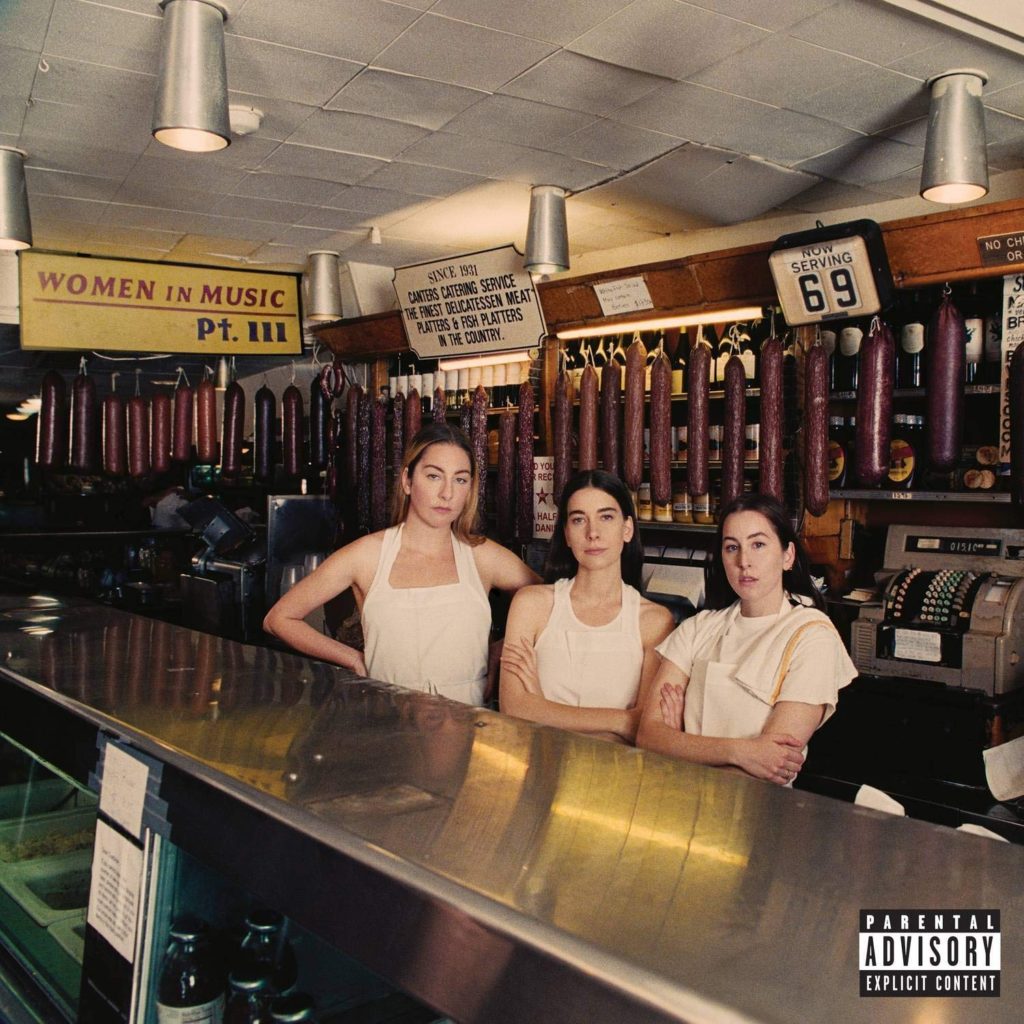
Haim, Women in Music Pt. III

Speaking about Young Thug’s 2019 album So Much Fun, Earl Sweatshirt once tweeted, “what did they put in [this], I cannot stop listening to it fr, help.” It’s a sentiment I keep coming back to when thinking about Haim’s third album, Women in Music Pt. III. There is an addictive quality to this record. It is engineered to hit every pop music pleasure center. Finally, all of the sisters’ influences—stadium rock, ’90s R&B, and singer-songwriter anthems—that may have gone under-explored in earlier releases are presented in full color on WIMPIII. It plays like flicking through FM radio or a greatest hits compilation. Anchored by lush production from contemporary masters Ariel Rechtshaid and Rostam Batmanglij, everything hits just a bit harder. The songwriting is sharper, the bass is groovier, and the drums are fuller. Every time I return, I discover some new detail in the mix and some new truth in the lyrics. Its magnetism has pulled me in over and over to the point where nothing hits quite like it. I cannot stop listening to it fr. Help.

Ben Bonadies

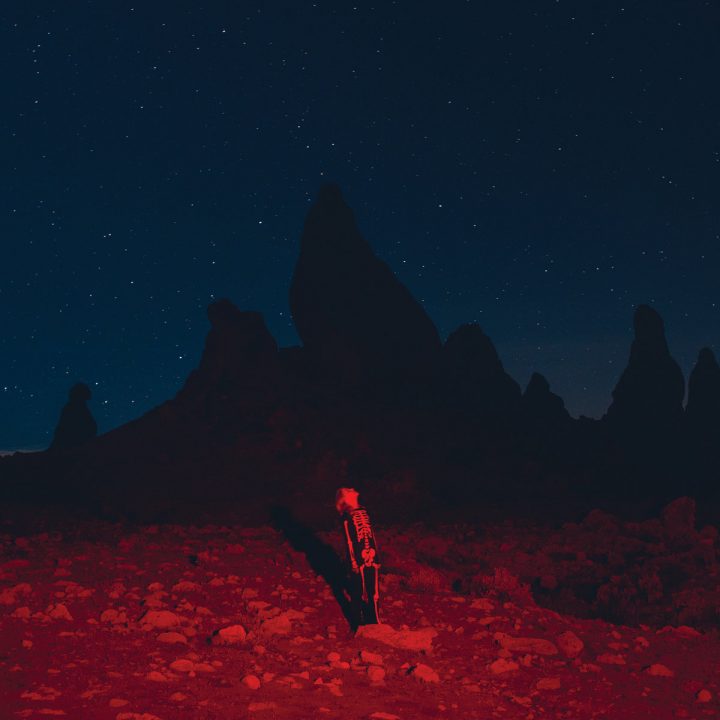
Phoebe Bridgers, Punisher

Since releasing her debut album in 2017, Phoebe Bridgers has been slowly taking over the world. Between her whip smart humor on her famous Twitter feed and her seemingly effortless approach to making music, she has captivated fans – and fellow artists – the world over. Returning this year with her second solo LP Punisher, Bridgers continues her domination. Featuring the same mournfully pensive storytelling that gained her initial acclaim, the platinum heartbreaker left room for some surprises. A jubilant “Kyoto” grabs the listeners’ attention early on and a show-stopping “I Know the End” will leave you breathless – literally. Bridgers is everything you look for in a multi-talented creative. She embodies the devastating and hilarious, poised and absurd, chill and endlessly hardworking. Having released two additional EPs this year, a smash hit cover of “Iris” by The Goo Goo Dolls with Maggie Rogers and appearing on the new Kid Cudi and The 1975 albums, this has truly been the year of Phoebe.

Andrew Bourque

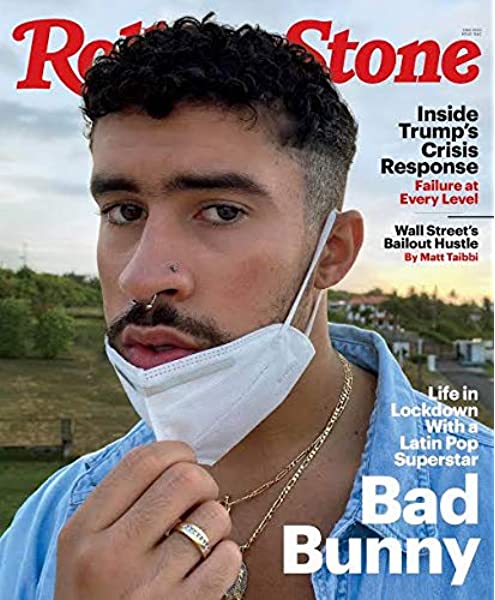
Bad Bunny, YHLQMDLG / EL ÚLTIMO TOUR DEL MUNDO

Ok so I cheated and picked two albums here, but including the compilation of previously unreleased tracks LAS QUE NO IBAN A SALIR, Bad Bunny technically released three albums this year. So I’m showing restraint. Towards the beginning of the year, he dropped the thrilling YHLQMDLG, a love letter to the reggaeton music that surrounded Bad Bunny growing up in Puerto Rico. The compilation came out in May (right before my birthday; thank you, rey). Just a few weeks ago, he added EL ÚLTIMO TOUR DEL MUNDO to his catalogue, more inspired by rock, emo, and synthpop than his previous work, an unbelievable display of versatility that became the first album entirely in Spanish to debut at #1 on Billboard. Throughout the whole year, Bad Bunny’s star power continues to rise, and he’s earning his burgeoning position as international superstar. 

I was talking with a friend recently, someone I met in the second half of 2019, who I undoubtedly would have loved to continue to run into at dance clubs around town if 2020 had gone… fucking normally. We ended up talking about how deeply Bad Bunny impacted our respective years. Whenever things felt too overwhelming, we were turning to his music week after week. And that’s probably true for any music that you kept turning to throughout the year: it lifted, however briefly, the suffocating blanket of fear and anxiety that became unavoidable (if you actually have a working brain). As those dumbass celebrities proved with their misguided, wildly pitched cover of “Imagine,” music might not solve any concrete problems in the world. It can make us feel better, keep us going through tough times, leave us smiling and dancing. It’s simple, so I choose to worry less, and bump some pictures of Bad Bunny. 

Harry Gustafson

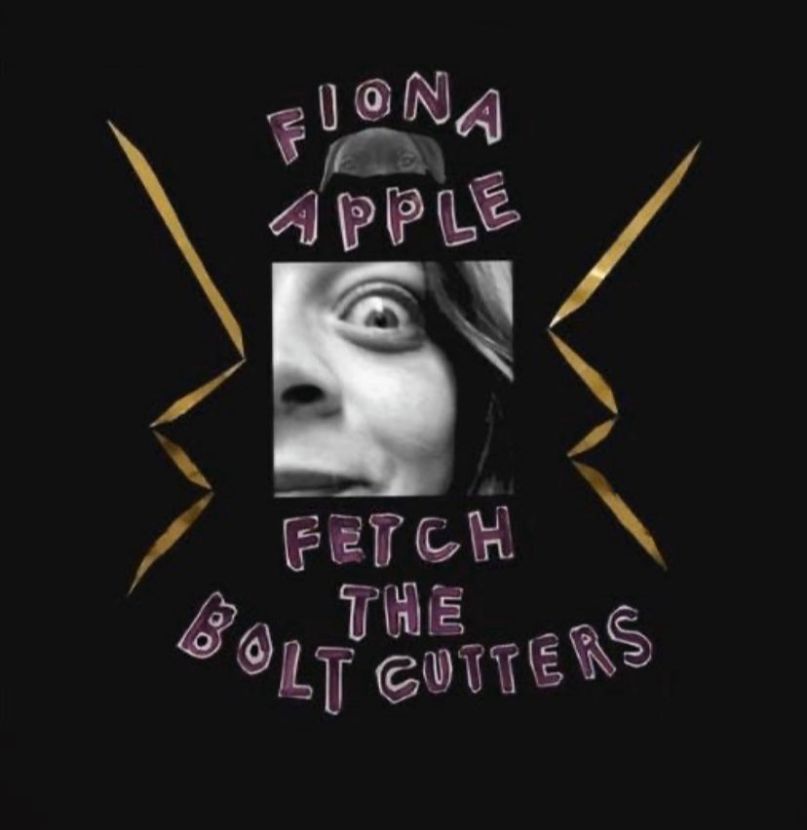
Fiona Apple, Fetch the Bolt Cutters

Like Earth’s viewing of Halley’s comet, once every several years we are graced with a Fiona Apple album. And when those albums come, they make the world a little less “bullshit” than it was before. Suffice it to say, we needed it this year. Without even having to put an octopus on her head, (or any hype at all, really) Bolt Cutters was a success across the board. The album garnered a weighted average score of 98 out of 100 on Metacritic (at the time of this writing). It was also her third consecutive top 10 album on the Billboard 200. With a deconstructed piano rock album, Apple takes us through her weirdly joyful inner sanctum. Her unique palette includes innovative sampling, vocals that range from jazzy to Yoko, and the best use of a dog bark since Jane’s Addiction. It’s the songs though, the final product, that make this album an instant classic.

Dan Moffat

Owen Pallett, Island

With more time to sit alone with my own thoughts and reflections this year, I’ve increasingly drifted toward the quieter and more meditative releases from 2020. And Owen Pallett’s corresponding shift into more muted, inward-looking territory on Island is a perfect corollary for the trajectory this year took. Mostly eschewing the grand orchestral loops of their earlier albums, the prolific Toronto violinist takes an entirely new approach to their fifth album with arrangements primarily centered around acoustic guitar and piano. Mirroring this shift in arrangement is how Pallett uses previous concept record Heartland as a metacognitive jumping-off point to interrogate themes of identity, self-destruction, the subjectivity of creation, and reconciliation. Even for listeners unfamiliar with Owen Pallett’s earlier releases, Island’s relatively plainspoken lyricism and cuttingly direct instrumentation makes it a sublimely poignant entry in their catalogue, an introspective epic to accompany our own moments of pensive existentialism.

Nat Marlin

Jeff Rosenstock, NO DREAM

Jeff Rosenstock, one of the nicest boys in music, rewarded our patience during quarantine with a surprise new album that’s also one of his best in any capacity. NO DREAM harkens back to his BTMI! days with its rough edges, manic pace and somber ballads. Rosenstock is meaner on this record, having no patience for the dreamers, though it’s mostly tongue-in-cheek. Still, “Scram!” is the most urgent he has sounded in years, a healthy mix of anger and fun. Rosenstock’s standard nostalgia eschews his normally downtrodden attitude on “***BNB” in favor of mean comedy. What has stayed consistent is his ability to write a surprisingly effective ballad, this time in closer “Ohio Tpke.” Whenever the world seems the most unsure or you’re feeling the most paranoid, there’s always a Jeff Rosenstock album there to back you up. And this just happens to be his best one in years!

Andrew McNally

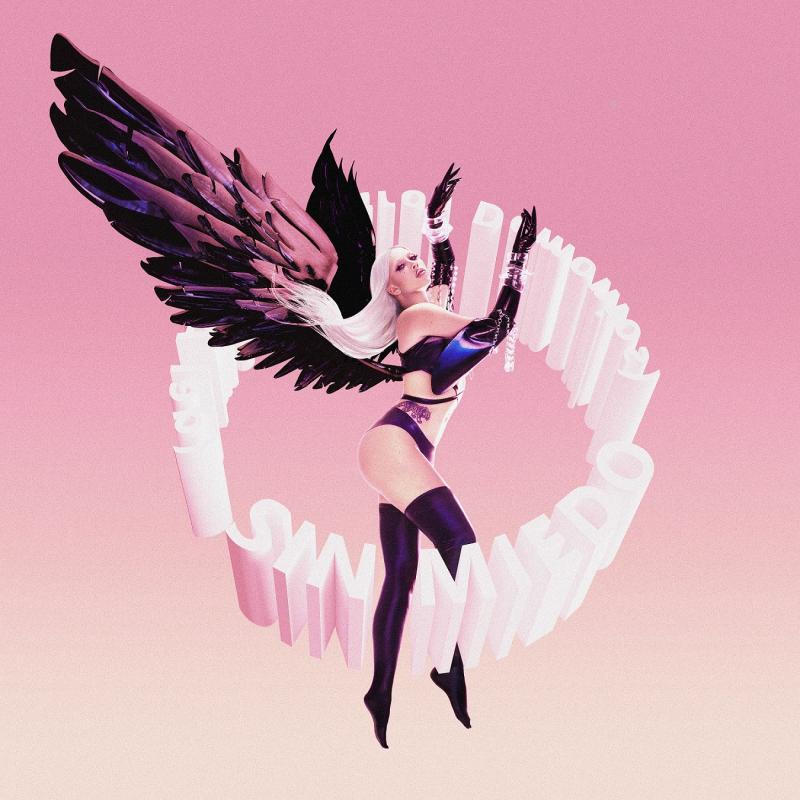
Kali Uchis, Sin Miedo (del Amor y Otros Demonios)

After Selena was released on Netflix, I’ve been thinking about all the dreamy Latinx artists whose voices are at the fore. Seeing these artists in the top charts beyond Daddy Yankee (although “Con Calma” is one of my picks) finally represents a semblance of America’s melting pot. Uchis embraces her Colombian roots with this Spanish release Sin Miedo (del Amor y Otros Demonios) (there’s some Spanglish in there too) Close your eyes and swing the hips to Uchis’ sweet candy Latin incantations with y2k pop aesthetics.

Mira Kaplan

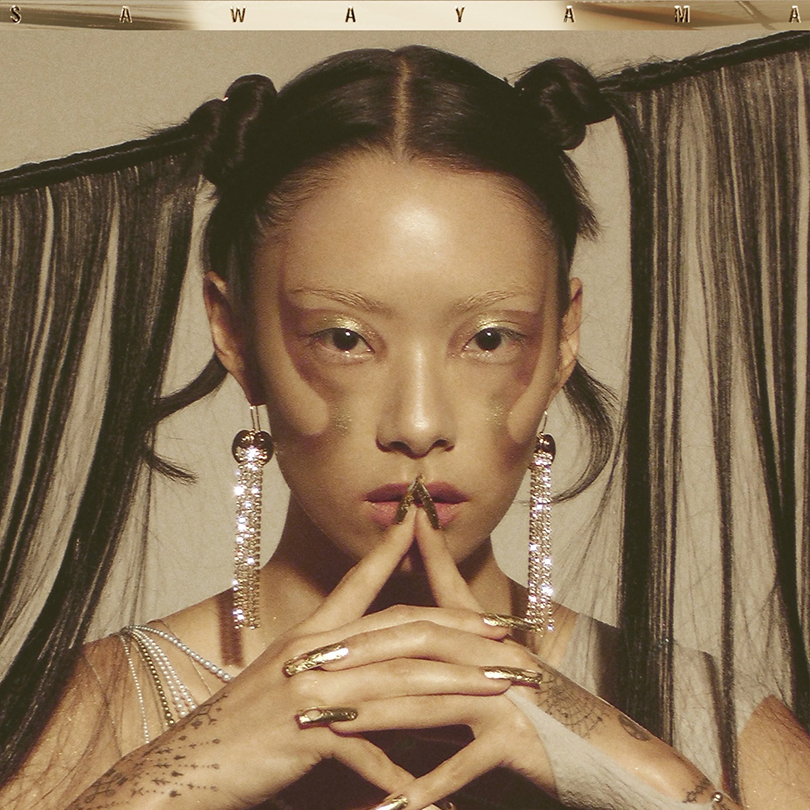
Rina Sawayama, SAWAYAMA

Rina Sawayama’s SAWAYAMA is the non-stop dance party we so sorely need in 2020. For now, it will have to be alone in your apartment, but come some time in 2021, I’ll see you on the Royale dance floor in glitter ready to party along to these high-key bangers. Listening to SAWAYAMA has me nostalgic for the first time I heard Lady Gaga’s The Fame Monster, another album filled with the same style of dance hits with a bit of darkness and edge to them. 

Christine Varriale

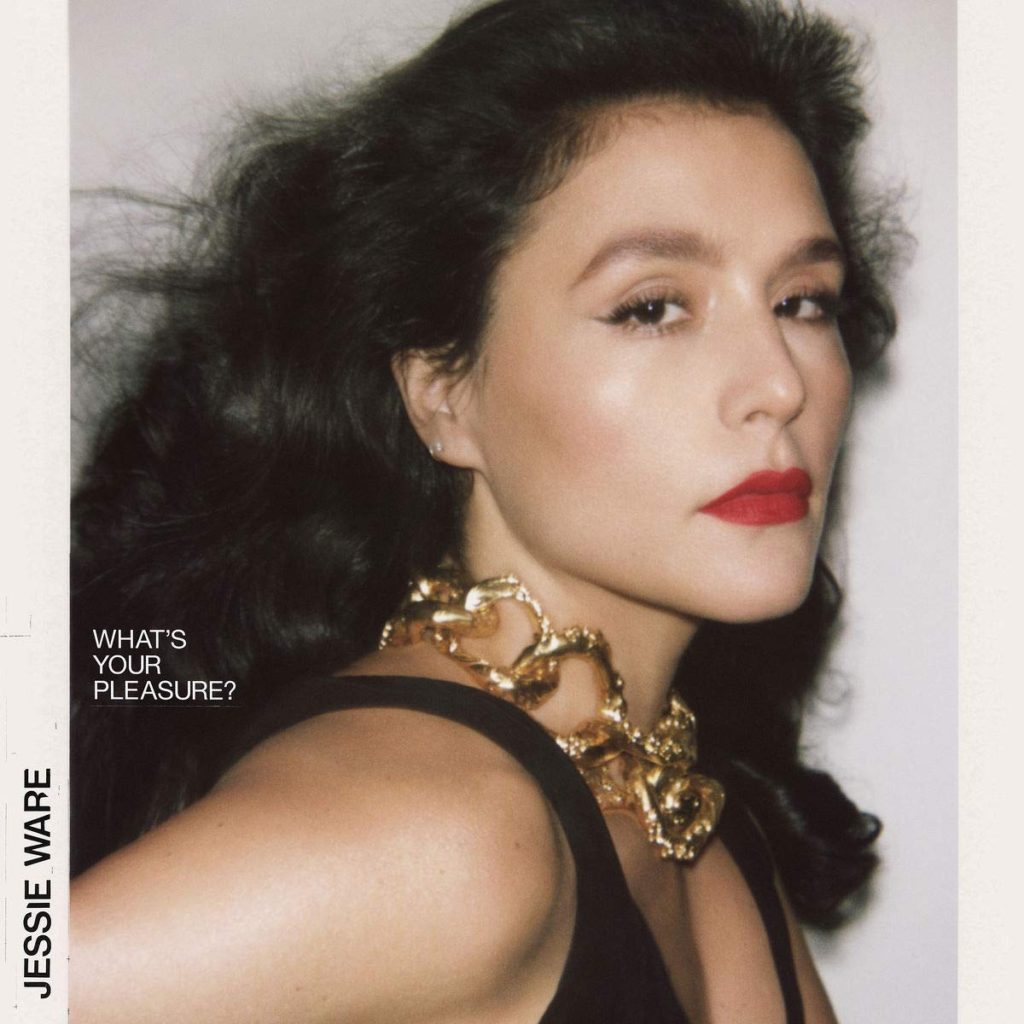
Jessie Ware, What’s Your Pleasure?

Yup, a modern-day disco album is my #1 pick of albums released during this globally traumatizing year. Jessie Ware’s breathy, Mariah-Carey-esque voice absolutely has the power to transport listeners to a pandemic-less reality, where the only things that matter are which acid-green mesh top to throw on and figuring out which shimmering metallic cutie to boogie with. The power of the Pleasure time machine is apparent within the first 40, hazy seconds of the opening track “Spotlight,” on through to the pulsing backbones of “Save Me a Kiss” and the elegantly auto-tuned “Adore You.” Dear Lord, the bass lines alone are award-worthy. Then the soulful closer “Remember Where You Are” serves as a gentle landing back down to earth. In the end, What’s Your Pleasure? was the Italo disco album we all needed. It allowed us to close our eyes, pretend we’re dancing in the dark among strangers and strobing lights, without a care in the world. And I’m looking forward to doing that with y’all in 2021.

Jackie Swisshelm

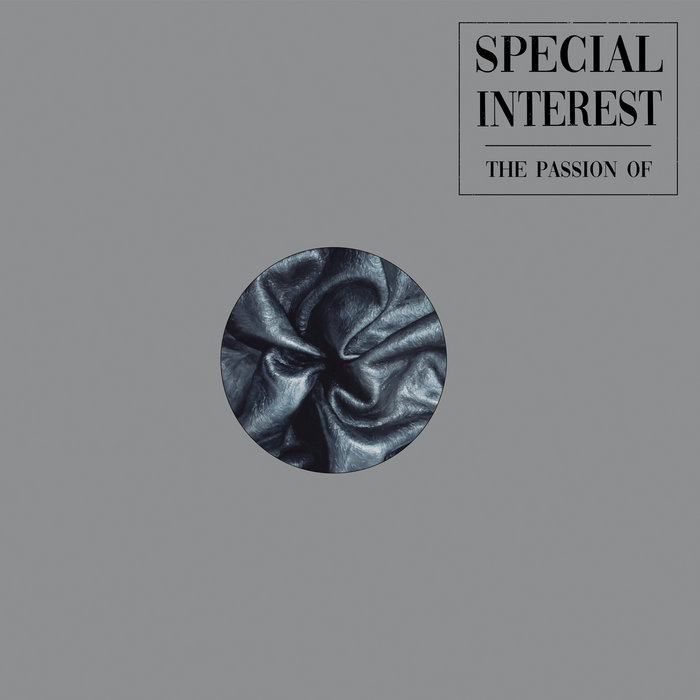
Special Interest, The Passion Of

Blending noise, techno, and punk into a caustic, but affecting maelstrom, New Orleans quartet Special Interest broke down doors with their raw and seething sophomore full length, The Passion Of. While defiantly queer by nature, Special Interest build a big, furious tent for everyone burned by capitalism. In a year that saw plenty of punk and dance music grapple with societal ills, The Passion Of’s potent attack of the systems of oppression grinding down on marginalized people felt especially vital as we watched governments worldwide turn their backs on the working class. Let’s hope the back half of 2021 sees them loudly take that fight on the road.

Dillon Riley

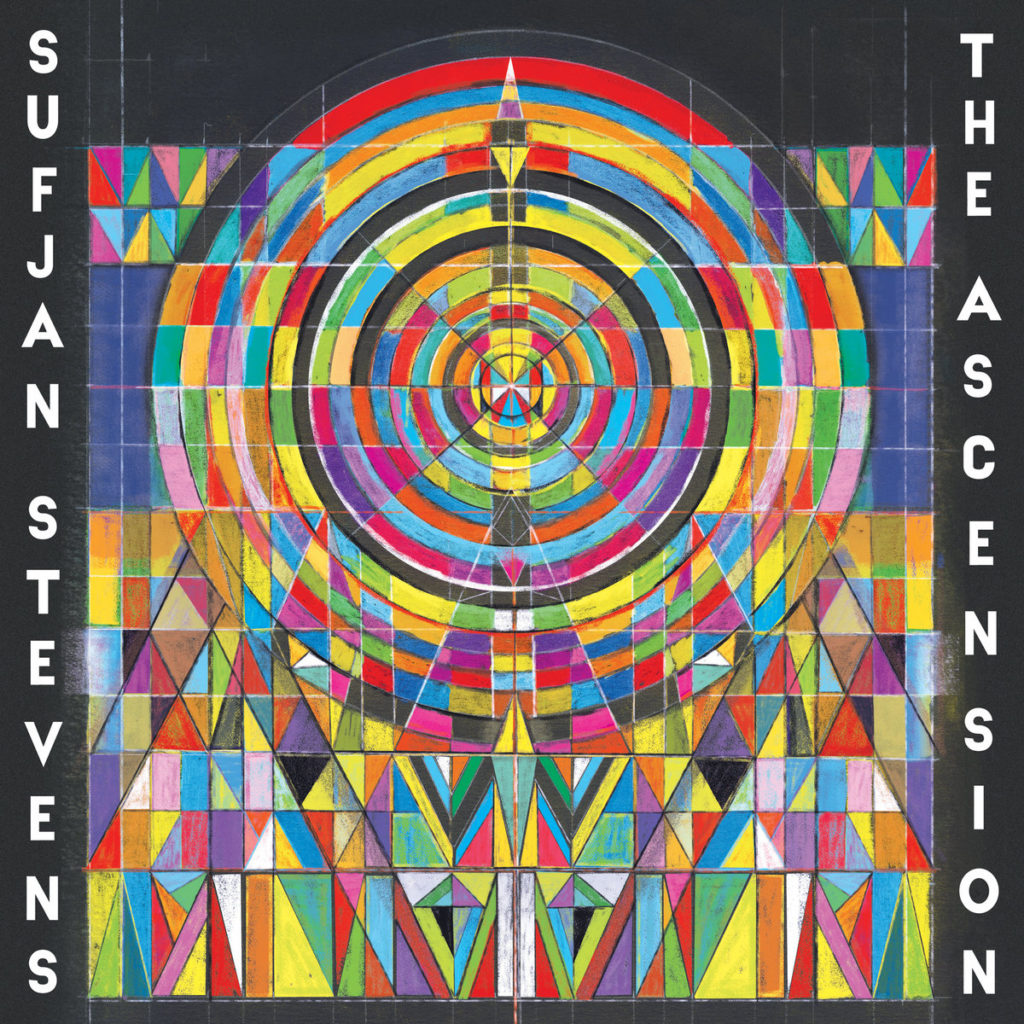
Sufjan Stevens, The Ascension

The Ascension draws from each of Stevens’ previous albums, in concept and in style. It is sprawling and at times hard to get though. It is also perhaps the closest we’ll get to his now infamous “50 States Project” (where he promised a concept album based on each of the U.S.’s 50 states). The Ascension is an exhausting admonishment of the United States of America. With hopelessness and writhing wit, Stevens distills what could have taken him 50 albums to say: America is a bad place, and it is okay to lose faith. As he sings on the closing track, “I have loved you, I have grieved. I’m ashamed to admit I no longer believe”

Joey DelPonte

Felix Rabito, No Me Llores

Making music out of Louisiana, Felix Rabito incorporates traditional indie rock and authentic New Orleans jazz with a twist in his latest EP. The heavy guitar riffs, sensual trumpet, and the introduction of old-timey piano interludes on this EP will undoubtedly make you want to take a trip down to The Big Easy just to see him perform live (post-COVID, of course).

Allyssa DelVecchio

Favorite Songs of the Year

Car Seat Headrest, “Martin”

Will Toledo spends “Martin” in a one-sided correspondence with a figure known only as Justin. Toledo’s narrator finds meaning in this Justin. He lights a fire in him. He turns his eyes to starlight. But even this devotion can’t change the conclusion he reaches: “In the end I know there is no answer.” He sounds alone, armed only with an acoustic guitar and skittering drum machine like David Byrne in the opening minutes of Stop Making Sense. Even as he invites a triumphant horn section to join him, he’s still without his muse: “Stars turn in place, I still can see your face.” In a year of isolation, this paean to a connection that can overcome any distance rings truer than ever.

Ben Bonadies

HAIM, “The Steps”

Right away, a kicking drum beat permeates the air on HAIM’s masterful single “The Steps,” a sucker-punch breakup anthem off of their most recent (and best) album Women in Music Pt. III. The track plays as a quasi-sequel to the trio’s smash hit 2013 single “The Wire,” only with less of the sugar-coating. Here we see the three sisters, Este, Danielle and Alana doing what they do best: coming together to create a song that is both undeniably fun and filled with raw heartache. “We wanted to write something we could really perform — something up-tempo that felt like a karate kick to the face,” says Danielle Haim to Entertainment Weekly. Director Paul Thomas Anderson returned to shoot the video, a simple montage of the sisters tearing around a house in LA, washing down toothpaste with whiskey and plunging headfirst into an ice cold pool. It’s dirty, ferocious and above all, a wicked good time.

Andrew Bourque

Bad Bunny, “Safaera”

This song is so sick. It samples “Get Ur Freak On” among a bunch of other tracks. I’ve got no constructive commentary here; this just bangs. I was torn as to which Bad Bunny song I should choose: “Si Veo a Tu Mamá” because of the casiotone sample of “Girl From Ipanema;” “Yo Perreo Sola” because of being an anthem for the ladies and Benito’s turn in drag for the video; “25/8” OR “P FKN R” because they absolutely bang; “Dakiti,” which will hopefully reach number one on the Billboard Hot 100 chart if we live in a just world; and a few other solid contenders. In an effort to actually make a damn decision, I went with “Safaera.”

Harry Gustafson

Burial, Four Tet, & Thom Yorke, “Her Revolution”

Perhaps a companion piece to Sparklehorse’s brilliant “It’s A Wonderful Life” from 2001, Yorke and co.’s “Her Revolution” also take us on a tapey journey to another dimension. “Revolution,” however, unlike “Wonderful,” doesn’t feel tethered by human needs such as a “chorus” or a “verse.” It’s more adventurous than that.

To be honest, compared to many music lovers, I mostly ignored Yorke before 2020. Then I began reading his biography from this year, This Isn’t Happening. I learned that as an artist, Thom Yorke took an enormous risk in convincing his band to drop the brit-pop act and instead embrace electronic music a la Aphex Twin and Boards of Canada.

With this newfound respect, I listened to his latest track with an open mind. And I’m glad I did. With faraway stringed instruments and Stranger Things synths, “Her Revolution” is a stellar and chill brain bath that you should take.

Dan Moffat

NNAMDÏ, “Semantics”

Even within an album that nimbly moves between genres from song to song, it’s staggering to hear just how many ideas Chicago multi-instrumentalist Nnamdi Ogbonnaya crams into Brat’s climactic track “Semantics” alone. Centered around Ogbonnaya taking stock of the relationships in his life, the track quickly sets the listener’s expectations for the song’s structure in its opening moments, before playing with those expectations just as quickly as they’re established and gradually shifting with each subsequent moment. Vocal inflections begin switching off with every word, and he jams more words into each bar, lyrics become enjambed and spill a single sentiment across multiple lines. By the end of the song, Ogbonnaya’s vocals match the song’s crumbling composure, screaming out the chorus to express the growing exasperation swallowing the whole track. It’s a flooring high-wire act of a song, and one of the most exhilarating pieces of music I’ve heard in a long time.

Nat Marlin

Bully, “Where to Start”

The quarrels of quarantine have caused a lot of disruptions in bands, but Alicia Bognanno’s decision to transform Bully into a solo project came more from relationship trouble and inner turmoil. It’s apparent all across SUGAREGG, her best album yet, but especially so on “Where to Start.” The song’s basic grunge rhythm serves as a mere background to Bognanno’s lyrics and vocals. This isn’t a song meant for our ears, it’s a direct message to someone at the other end of a demanding relationship. It’s just a privacy we’re allowed into. Vocally, Bognanno has never sounded stronger. It’s not unlike some Hole songs where Courtney Love sounded like she was singing to survive; there’s a certain, very loud catharsis happening here, and despite the personal message, it’s a feeling we can all revel in.

Andrew McNally

Kevin Morby, “Campfire”

“oh my my oh I guess…” “Campfire” was my repeat song. Over and over and over again. oh my lord oh my god. It’s like three songs in one, opening up with Morby’s sultry storytelling, transitioning with Waxahatchee telling us to “stay calm, stay calm,” and culminating in an urgent chapter with a visit by the devil and the angel. Morby’s whole album Sundowner is laden with this same darkness, depth, and harsh beauty. oh my lord oh my god, are you a sundowner too?

Mira Kaplan

100 gecs, “hand crushed by a mallet remix [feat. Fall Out Boy, Craig Owens, Nicole Dollanganger]”

I listened to wayyyyyyyyyyyyy too much Fall Out Boy in middle school and high school. I thought I could escape it, but that ever-present pop punk past comes creeping on, so haunting every time. When 100 gecs released their remix album 1000 gecs and The Tree of Clues this summer, there were collaborations I expected like Charli XCX who has worked with Dylan Brady previously on her own music. Fall Out Boy, Craig Owens, and Nicole Dollanganger appeared out of left field, and I became increasingly curious as to what the hell this remix will sound like. “hand crushed by a mallet” wasn’t necessarily in my top tracks from last year’s 1000 gecs, but this remix made me love the song so much more. The layers of guitars and pairing of Craig Owens and Patrick Stump’s incredible vocal ranges really amp this song up, and this chaotic skramz wet dream does everything wrong and everything right simultaneously.

Christine Varriale

The Beths, “Jump Rope Gazers”

If there’s one thing we needed to latch onto this year, it was hope. The single and title track from Jump Rope Gazers, the sophomore LP by New Zealand indie rockers The Beths, gave us that. It’s a standout on the album—it’s a romantic ballad. Vocalist Elizabeth Stokes weaves in her familiar, wryly-written lines right from the start, and just like how a secret crush can simmer, so does “Jump Rope Gazers,” with the help of melodic ooo’s and aaa’s and a building sense of falling head over heels. By the time we hit the chorus, it’s over. We’re in love. “Oh I, I think I love you, and I think that I loved you the whole time. How did this happen? We were jump rope gazers in the middle of the night.”

What’s a jump rope gazer, you might ask? During interviews, Stokes herself has been hesitant to explain, but she said, “At the core of it, I was picturing the kind of skipping rope where there are two people, one on each end. I think it evokes a distance and hints at being connected and being separated as well.”

Yeah, that feeling? That’s hope. And that’s why it’s my favorite song of 2020.

Jackie Swisshelm

RMR, “Rascal”

Anonymously balaclava’d singer/rapper RMR’s star-making flip of Rascal Flatts is the perfect song to encapsulate this hellish year: a streetwise tale as funny as it is poignant. That the song is a hybrid country ballad uniquely suited for an era that has seen nationwide protest against police brutality only further strengthens its seemingly out-of-nowhere ubiquity. “Rascal” is the rare “meme song” that actually rewards repeated listens, gaining more meaning with each viewing of its perfectly unadorned video. Interested parties may also consider it a tacit endorsement of the real boys in blue: the USPS.

Dillon Riley

Halsey, “You Should Be Sad”

Halsey has such a knack for writing songs that open up the floodgates, purge the negativity from the past, and inspire such a formidable force inside you. God, the first time I listened to this song, I got chills. I can’t imagine anyone listening to this song and not immediately having the urge to sing this at the top of their lungs as a cathartic way to cope with the collective emotional baggage of past relationships.

Allyssa DelVecchio

Additional Jawn

Best Album with “Folk” in its Title: Myrkur, Folkesange

There has never been a time more in need of escapism than right now: trapped indoors, hiding from the news and itching for a release. Luckily we were gifted the latest album, Folkesange, by Danish black metal band Myrkur on March 20 – just as the world shut down. Led by singer, composer and multi-instrumentalist Amalie Bruun, Myrkur made a tectonic shift from their trademark black metal sound to the realm of serene folktales. A massive departure from previous releases, Folkesange is also a return to Bruun’s traditional Scandinavian roots. Consisting of a mixture of both modern interpretations of classic folk songs and inspired original compositions by Bruun herself, the album will immediately transport you to the Danish countryside as her crisp vocal lifts you into the clouds. Lead single “Ella” might just be one of the most beautiful songs of the year, showcasing Amalie’s power and immediately creating the atmosphere sustained throughout the rest of the album.

Andrew Bourque

Best Photos of Bad Bunny from 2020

increíble

muy guapo

icónico

una leyenda y un leyendo

ay, Dios mio, prrrrr 👀👀👀

Harry Gustafson

Best Song About Food: CHAI, “Donuts Mind If I Do”

Sub Pop’s recent signee, Japanese band CHAI, fits the legendary Seattle record label’s punk ethos, if not style per se. “Donuts Mind If I Do” is as subversive as it is catchy. You’ll find yourself nodding your head to the lyrics that might actually be about donuts. “Hello, hello, would you like any donuts, honey? … It makes my body better, keep going on.”

Former Sub Pop member Kurt Cobain said he didn’t care about lyrics. As long as everything about the song works, who cares about the words? Here we have a similar instance; the subject doesn’t seem to matter since the tune slaps.

With those pesky lyrics out of the way, we’re left to focus even more so on the strengths of the song. Their passionate singing is a masterclass in pop hooks, which unravel one after another. In the backdrop, fantastical production abounds as ’70s cop show synths mix with gleaming beats. Play it again? Donut Mind If I Do.

Dan Moffat

Song Most Likely to Play on Loop in an Allston Pudding Writer’s Head as They Draft at 3 A.M.: illuminati hotties, “content//bedtime”

When I find myself in times of trouble
Sarah Tudzin comes to me
Speaking words of wisdom:
“content
bedtime
e-motivational deadline”

Nat Marlin

Best Combination of Trap, Black Metal, and Hand Drums: Duma, “Lionsblood”

Okay *maybe* this was not a competitive category and I just wanted an excuse to write in AP about the African industrial grindcore hybrid Duma? Was that obvious? Duma’s excellent debut album is an absolute endurance test, centered on grindcore but incorporating influences from hip-hop, black metal, industrial and world music. The best track, “Lionsblood,” utilizes hand drums played at a speed well beyond humanly possible and shrieking vocals that are downright terrifying. Despite not sounding like something made for humans, it’s the most listenable song on the record! “Lionsblood” lands safely in the camp of “not to everyone’s tastes” but it also promises at a growing African metal scene, and it’s one of the most chaotic, eclectic and grueling songs I heard all year. Duma are raw, aggressive, sinister and completely boundary-pushing.

Andrew McNally

Best Song While Watching YouTube Tutorials of How to Whine: Daddy Yankee, “Con Calma”

<3

Mira Kaplan

Best Horny Song to Forget You’re Alone in Quarantine: Ariana Grande, “34+35”

34+35=69. Ariana Grande is a cancer, whose symbol is represented by a 69. Coincidence? I think not.

Christine Varriale

Biggest Resurgence in Popularity in 2020: Dolly Parton & Kenny Rogers, “Islands in the Stream”

What more can I say? It’s the perfect song, and I’m glad it’s back. It’s been the feel-good soundtrack to a feel-bad year.

Jackie Swisshelm

Best Mashup So Good I Can’t Believe It’s Not the Original Track: Charli XCX, “Unlock It X Alice Deejay – Better Off Alone (RH Edit)”

While plenty has been (rightfully) written about Charli XCX and her impressive quarantine mania-induced album how i’m feeling now, Charli baby™’s greatest cultural contribution in 2020 may very well be a mashup she didn’t make, but graciously endorsed. Taking off on TikTok before untold amounts of bootlegs popped up on Soundcloud, the pairing of one of Pop 2’s most beloved bops with a sacred ‘90s trance text like Alice Deejay’s “Better Off Alone” felt so uncannily natural, it’s difficult to separate the two after repeated listens. Those in search of nostalgic gold should head straight to the original mashup, released at the very start of a long year.

Dillon Riley

Best Song You Want to Dance to When You Wanna Pretend You’re in a Club Again: Pitbull, “Que Rica (Tocame)”

Listen, we all have our guilty pleasures and this one’s mine. This song really sounds good when you put on music-activated LED lights, have a glass of wine (or two…or three….I’m not judging) and dance in your bedroom like you’re at The Model again.

Allyssa DelVecchio


AP’s Local Faves of 2020

Everything was different this year, but one thing will remain the same: We’ve put together a list of our favorite local releases that came out in 2020, unranked and uncriticized. We know we’re in good company when we say that we’ve missed live music performances so, so dearly. For musicians and music fans, that constant lacking has taken a toll on an integral part of our identities. And for the staff writers at AP (who are music fans and musicians alike), we’ve been searching for new ways to experience this thing we love. While we’ll never forget the twitch performances, there’s nothing that’s going to come close to the feeling of seeing your favorite song played less than six feet from you. Next year, we enter a painfully different music scene from the one we left behind in the spring. But we’re also stepping into an era where we can proudly acknowledge that despite a global pandemic, our city (and surrounding areas)’s artists did not stop creating. And music fans did not stop listening. And mark our words, we will not stop listening. So the results are in: These 25 artists put incredible work, perhaps even their best to date.


adammmmmmmmmmmm, ok im real i think
[RIYL: Atari Teenage Riot, PC Music, ASMR]

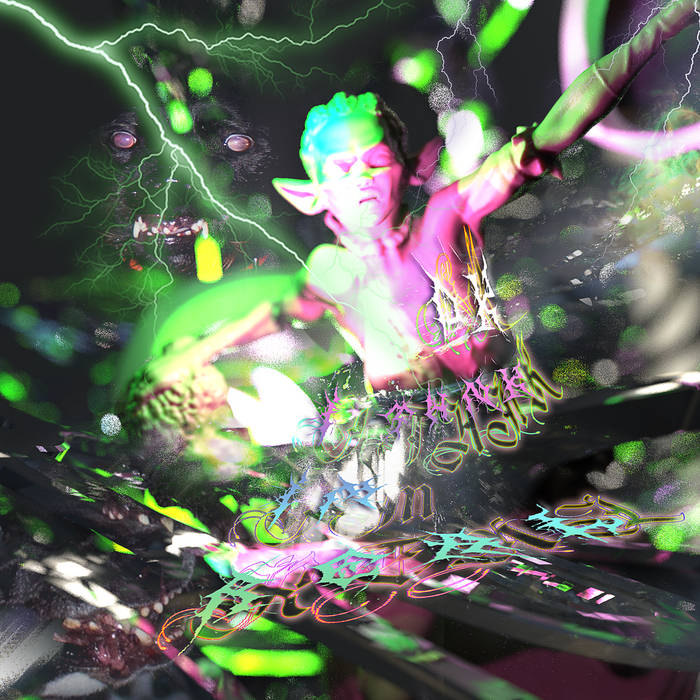
Positioned somewhere between an industrial record and the silicone trance of some of PC Music’s gnarlier releases, adammmmmmmmmmmm’s ok im real i think is basically a sonic fever dream. As a member of the multimedia collective Media_Rins, adammmmmmmmmmmm helped bring like-minded artists and DJs that pull apart pop and the avant garde like puddy to Boston, but their debut for the Prague-based tape label Genot Centre boldly stands on its own. At times sounding like an internet radio station playing on a computer riddled with spyware, the album’s distorted-but-familiar samples— or maybe they’re just covers— pop up and minimize freely, producing a hallucinatory effect not unlike the album’s dissociative title. Elsewhere, pummeling rave kicks fall through trap doors into noise outbursts or ambient soundscapes, or both; simultaneously. ok im real i think is a lot to take in, but the future of anything is always hard to comprehend at first brush.

Dillon Riley

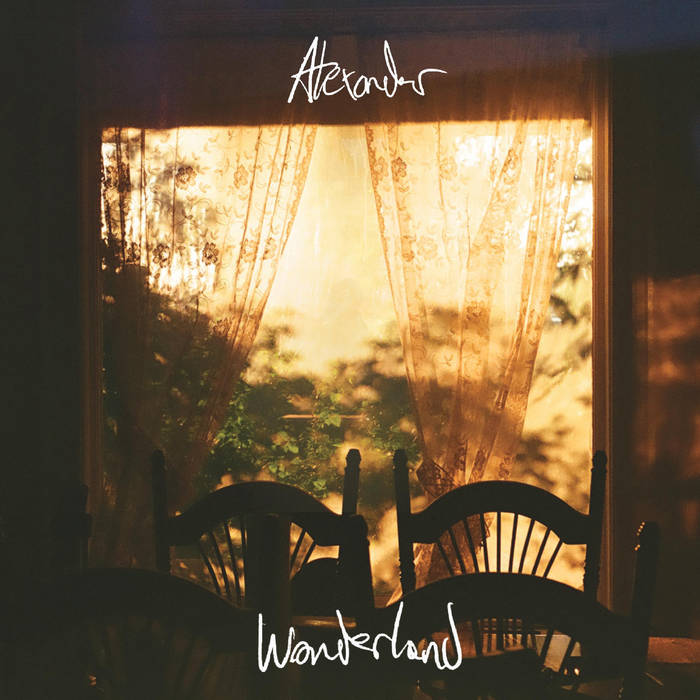
Alexander, Wonderland

[RIYL: short plainspoken songs by a nice young man, Jonathan Richman, (Sandy) Alex G]

The short, plainspoken songs on Alexander’s Wonderland have this very specific late-oughties indie folk sound that have eluded so many this decade. On top of that, Wonderland exudes warmth (like how Florist’s songs feel) and nostalgia (like the haunting sound that Big Thief taps into). Most songs on the album don’t even hit the two minute mark, but Alex Fatato somehow manages to fit a world of sparkly, dreamy indie pop—complete with lyrics about potatoes, Christmas trees, moms, and dogs—into nine songs. It’s a gorgeous triumph.

Jackie Swisshelm

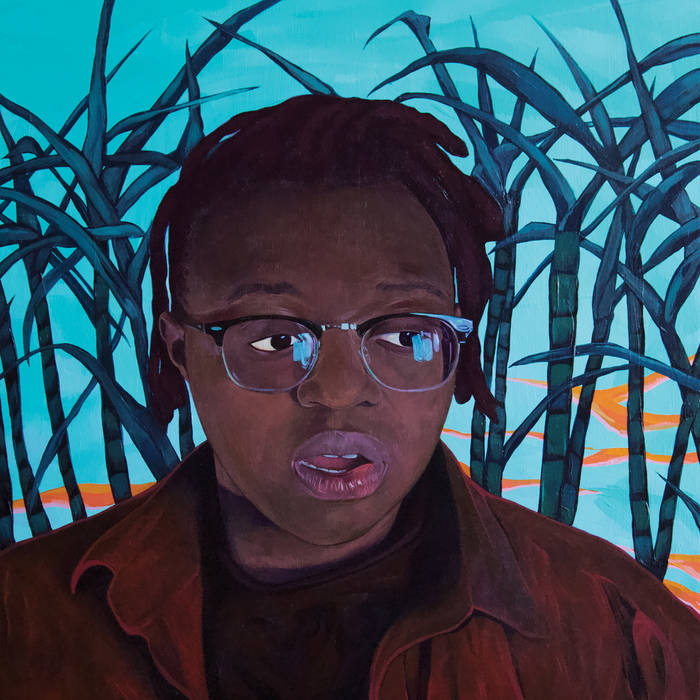
Anjimile, Giver Taker

[RIYL: lush indie folk, inspirational tales of self-discovery, Sufjan Stevens]

From the opening finger-picked acoustic guitar and sweeping flute on “Your Tree,” Giver Taker is an all-enveloping tidal wave of an album that is as deeply moving as it is compellingly realized. The breakthrough debut album from Jamaica Plain’s Anjimile Chithambo, Giver Taker culls from years of songwriting and reflection to paint an intimate portrait of recovery, gender identity, spirituality, and family history. Often, Anjimile explores the intersections of these various subjects, as on how family and gender inform his sense of spirituality on standouts “1978” and “Maker,” respectively. Delivered with a bevy of gorgeous acoustic arrangements and Anjimile’s thunderously passionate voice, Giver Taker is a monumental folk album that serves as a grand coronation for tremendous talent on the rise.

Nat Marlin

bedbug, life like moving pictures
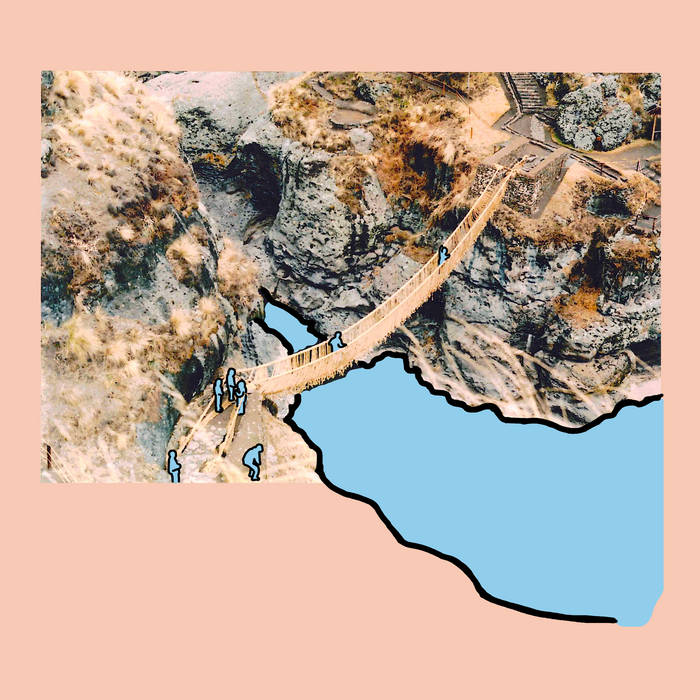
[RIYL: thinking of communism in a field of flowers, The Radio Dept.]

bedbug has become one of the most prolific current songwriters in Boston, and their fourth full-length album life like moving pictures builds on their sample-based bedroom pop from their previous three records. Dylan Citron’s growth shows through the increasing political conversations brought into life like moving pictures, using music as a way to educate their listeners with interspersed speeches. There is also a beautiful connection by following the four seasons throughout the album, and these two parts create a dichotomy that makes life like moving pictures a perfect album for both very active listening or passive listening. It fits whichever mood your melting brain can handle from the year that has been 2020.

Christine Varriale

Billy Dean Thomas, For Better Or Worse
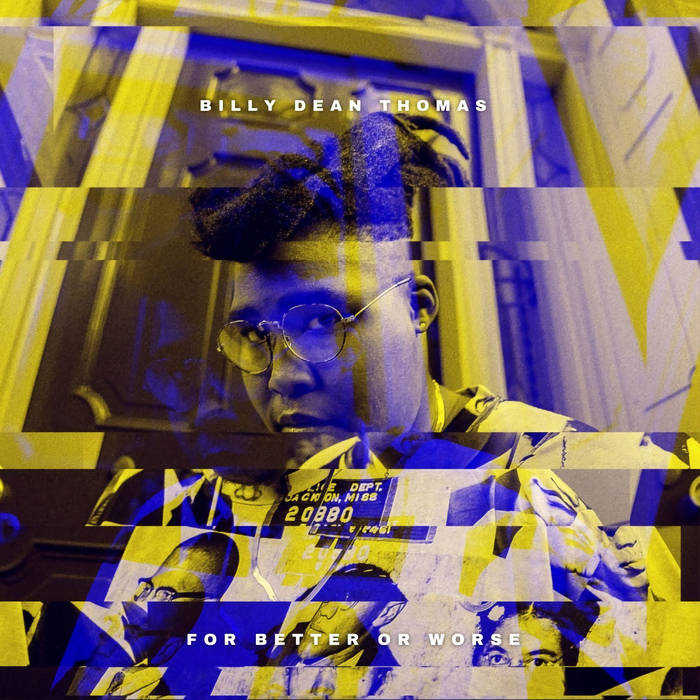
[RIYL: measured self-reflection & flexing]

Billy Dean Thomas has become one of the area’s best rappers through sheer force and flow, and their latest release is the first of hopefully many victory laps. It isn’t all fun and games, as the seven songs share a brutal honesty in the lyrics. Thomas is open on a personal level, rapping about financial struggles on “Balance” and the weariness of day-to-day life on the standout “Stressin & Flexxin.” They also zoom out to a divided nation on “Trump vs. Biden” and to the marginalized people that saw neither as a viable option for change. For Better or Worse does live up to its title however, as there are plenty of masterful one-liners and lyrical flexes throughout (as on the rollicking “Trust No Mo”), all cemented by Thomas’s unique and robust vocal flow. This album is short but eclectic and thoroughly human.

Andrew McNally

Cliff Notez & Dephrase, Social Absence
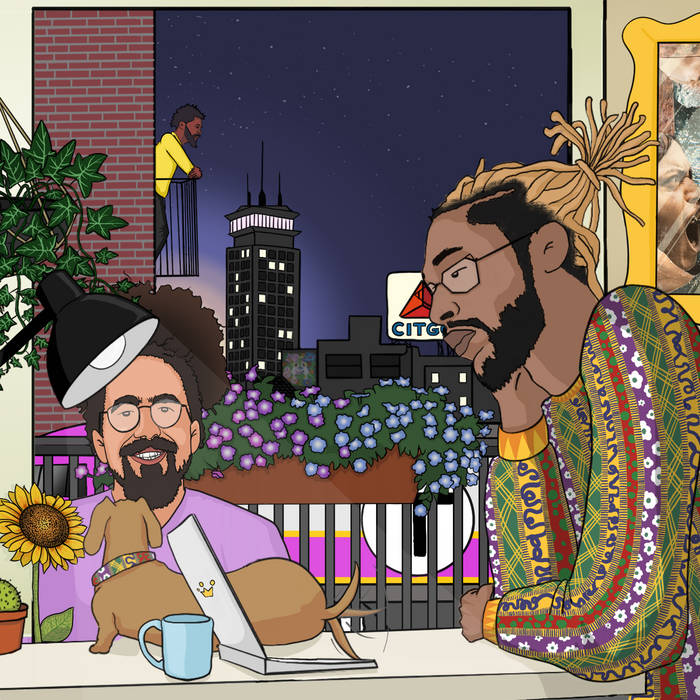
[RIYL: Anderson .Paak, Flying Lotus, killer rapper-producer collabs]

Even with social distancing being part and parcel of our COVID-afflicted days, rapper Cliff Notez and producer Dephrase still managed to come together (while distanced) to deliver one of the most potent hip-hop EPs of the year. A Boston collaboration dream team, Cliff and Dephrase bring out the best in each other’s styles on Social Absence, with the former’s descriptively introspective lyrics matched with the energetic syncopated beats of the latter. The combined effect of both artists’ contributions consistently enthrall, as on the beat switch into double-time on the Latrell James-guesting “Voodoo Doll,” or the synchronicity between Cliff’s flow and Dephrase’s persistently bounding bass on “Spiral.” With each of the EP’s three short tracks vividly evoking the frantic frustrations and anxieties of these strange times, Social Absence makes the most of its time to boldly play to both Cliff Notez and Dephrase’s greatest strengths.

Nat Marlin

DJ WhySham, Finally

[RIYL: Boston, the 617 area code, art openings at Dorchester Art Project]

There’s a magnetic quality to DJ WhySham’s album, Finally. The album is a 28-minute talent showcase, a glorious smattering of local flavor. Rappers, singers, and spoken word poets coexist under WhySham’s steady hand at the turntable. No genre is off limits. Horny trap, futuristic R&B, protest rap. Everyone gets a turn at the mic, and everyone goes for broke.

Ben Bonadies

Eleanor Elektra, Exquisite Corpse
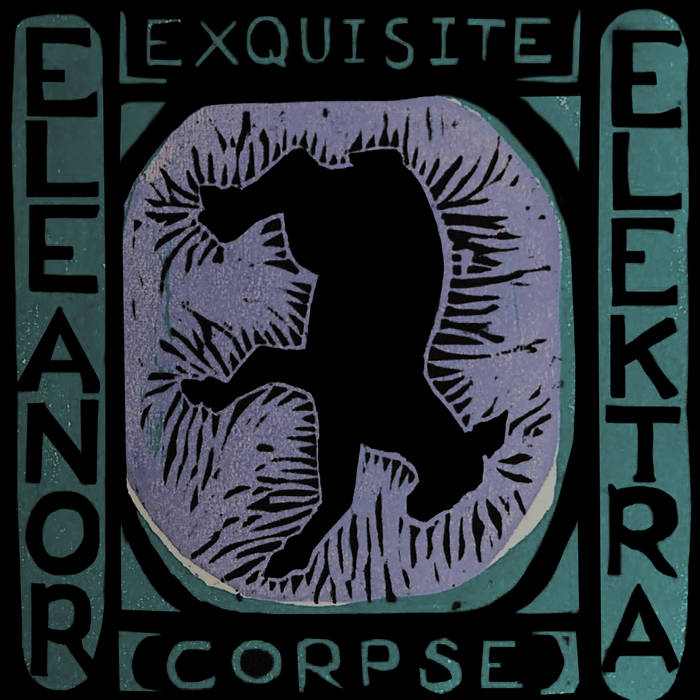
[RIYL: Joni Mitchell, environmentalism]

I would not call Eleanor Elektra’s Exquisite Corpse a “happy” record, but there is an ecstatic quality to Elektra’s presentation of our coming doomsday. Each song is sung with the emotion of a pastor but feels like her version of The 95 Theses as she enumerates the causes of our ruination in great detail, all without a whiff of piety. The music, jazz-inflected folk, is beautifully orchestrated and transmutes her storytelling to modern myth. In her hands, the sweeping scope of songs like “1921” or “Condor” feel as intimate and devastating as any diaristic, singer-songwriter number. The political has never felt so personal.

Ben Bonadies

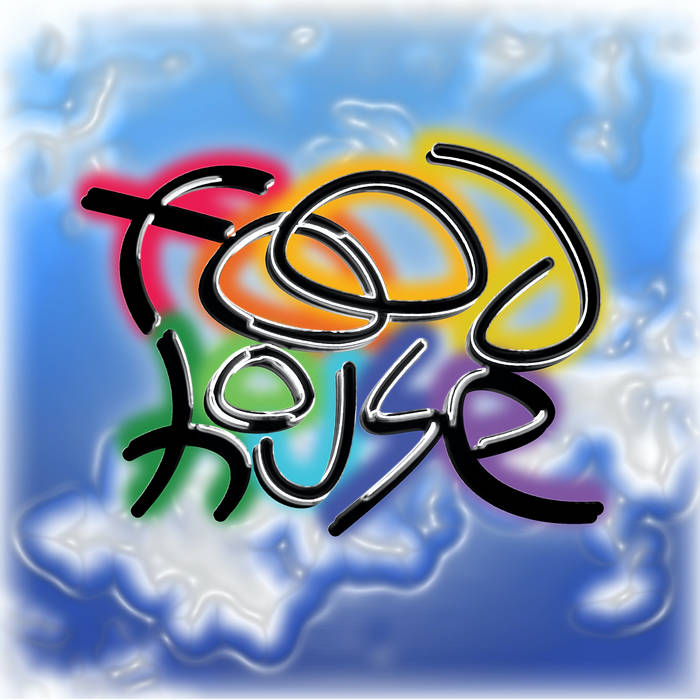
food house, food house

[RIYL: 100 gecs, Minecraft, energy drinks]

Sounding like the greatest party that none of us could attend this year, complete with Spongebussy, dead presidents and dreams of kissing Skrillex, food house is served. The latest project from hyper pop pioneers Gupi and Fraxiom, the pair manages to pump enough pop culture references into these eleven tracks to make even the most seasoned influencer scratch their heads. When they’re not dissing Vineyard Vines, they’re turning the dance floor on its head with chaos you can only expect from signees of Dog Show Records, the label started by 100 Gecs’ Dylan Brady. It’s loud, it’s lawless and it’s never taking itself too seriously. Bouncing between absurdity with playground insults, “im sick of your poo, you smell like yucky shoe,” to more scathing remarks, “you only want the me you built for me, and he’s fucking dead,” leaves me hungry for more and food house is open for business.

Andrew Bourque

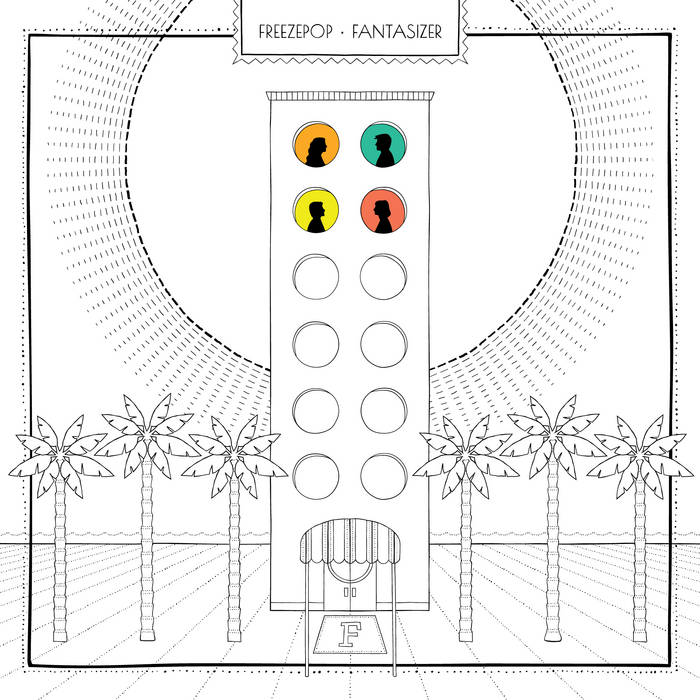
Freezepop, Fantasizer

[RIYL: Metric, The Human League, neon lights with vintage keyboards]

Even in a year without gigs, Freezepop could not have returned at a better time. Following a five year absence, the long-running Boston electropop outfit resurfaced with a bang in 2020, tossing out several maxi-singles complete with b-sides, remixes, and alt versions before Fantasizer’s mid-autumn release. As always, the band came armed with songs that are sonically infectious and lyrically stout. From the star-crossed lovers of the widescreen-ready title track to the girl group nods of “Rare Bird,” Liz Enthusiasm remains a captivating storyteller. Also of note is the always-stellar keyboard work from Sean Drinkwater and co., teasing hooks out of every corner of Fantasizer’s tight framework. Suffice to say everyone could use some upbeat bops to help glide around the rooms we’ve barely left since last March, and Freezepop delivered the goods with ease.

Dillon Riley

Handsome Ghost, Some Still Morning
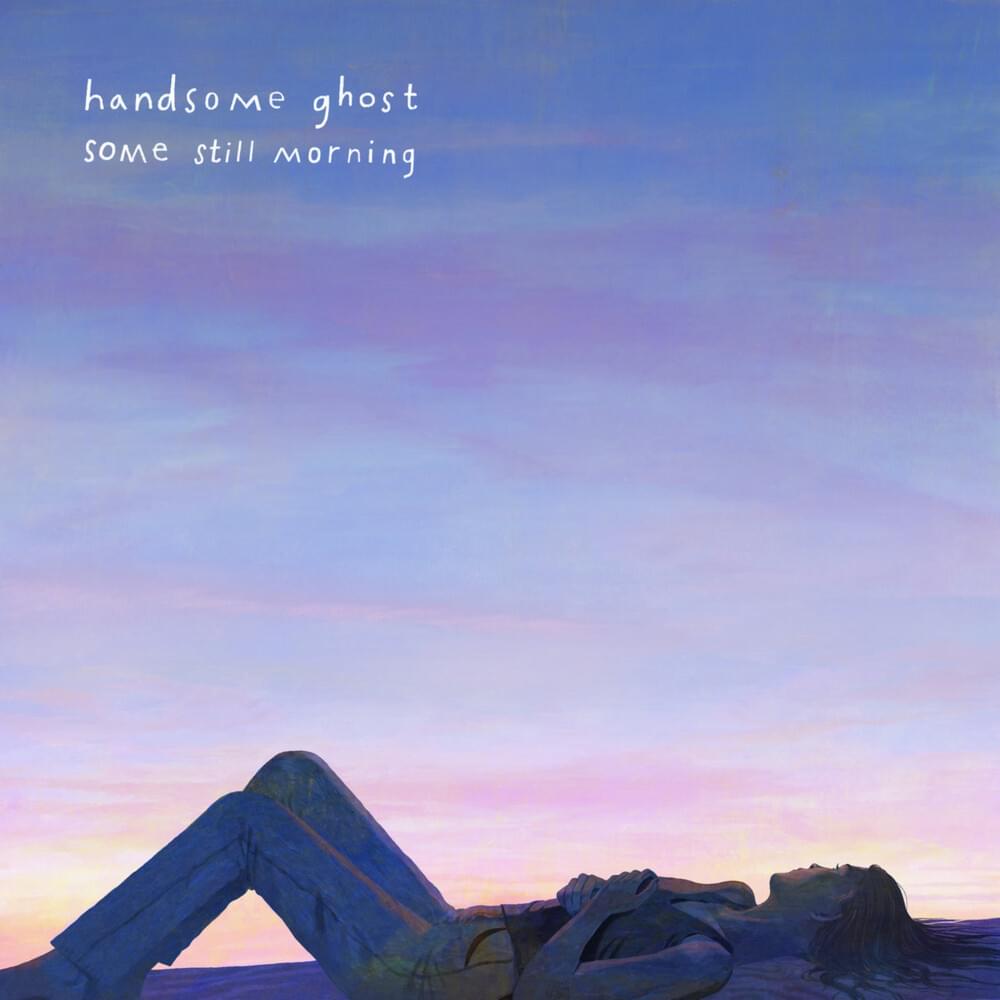
[RIYL: Iron & Wine, grappling with past regrets, Jenny Owen Youngs]

There are several moments on Handsome Ghost’s sophomore album where everything else just seems to pause. Fitting that it’s titled Some Still Morning as each track embodies that just-before-the-dawn peacefulness. Without the distractions of noise and traffic, the early morning provides ample space to reflect, something that Tim Noyes and Eddie Byun explore throughout eleven blissful tracks. Recalling past relationships, the duo walk a tightrope between longing and acceptance. On one hand pleading, “if for a moment I am crossing your mind I hope it lingers,” before shifting to a more regretful, “I wish you’d never think of me, I honestly believe that would be best.” Standout track “Massachusetts” plays like a past memory. One that returns with the same anxiety and pressure to reach out to someone who isn’t looking back. Handsome Ghost will grab you by the heartstrings and never let go, and you won’t want them to.

Andrew Bourque

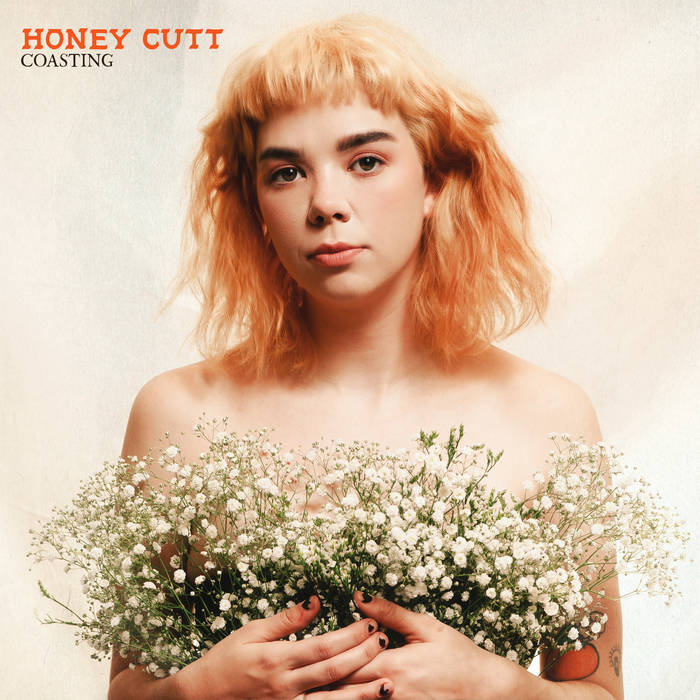
Honey Cutt, Coasting

[RIYL: Alvvays, dream pop in your surf rock]

Honey Cutt has been making waves in the indie dream pop genre since 2017, but the release of this masterfully crafted album rightfully took the Boston area by storm. While Coasting is bound to make you jump, swing, and spin, it’s also romantic and whimsical, making this the perfect accompaniment for walking around and noticing the beautiful wonders that often are overlooked.

-Allyssa DelVecchio

House of Harm, Vicious Pastimes
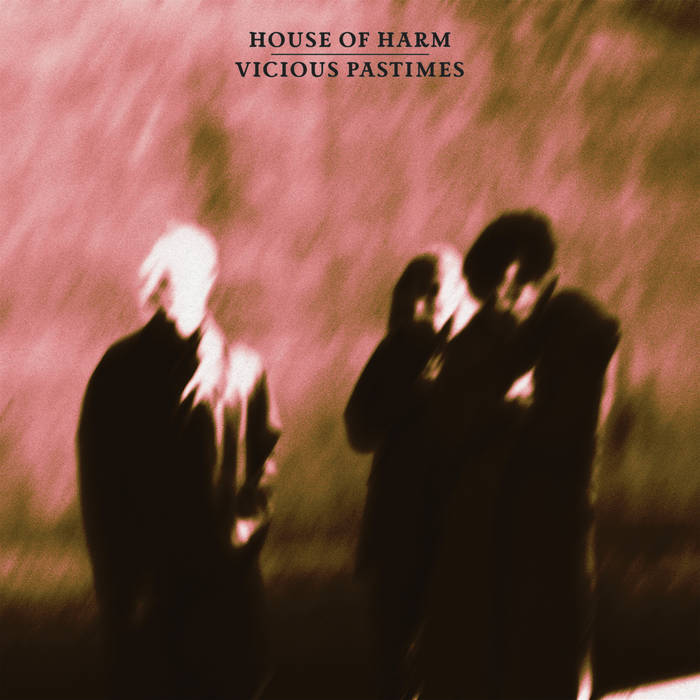
[RIYL: black eyeliner, driving at night]

As the weather gets colder, it is perfect time to get cloaked in the warm blanket of House Of Harm’s Vicious Pastimes. With tones and aesthetics inspired by, but not derivative of, classic ’80s synth rock bands like The Cure and Echo and the Bunnymen, HOH has managed to create a refreshing and original album that feels as needed in 2020 as it would’ve been in 1984. The Boston trio’s debut album is the perfect cruising soundtrack for driving aimlessly down a dark highway with no destination. Vicious Pastimes is for fans of ’80s synth-goth nostalgia and getting lost in an atmospheric wave of reverb and analog synths. Put on some eyeliner and let it overtake you.

Joey DelPonte

Jiles, It’s Not Much, but it’s Mine (Deluxe)
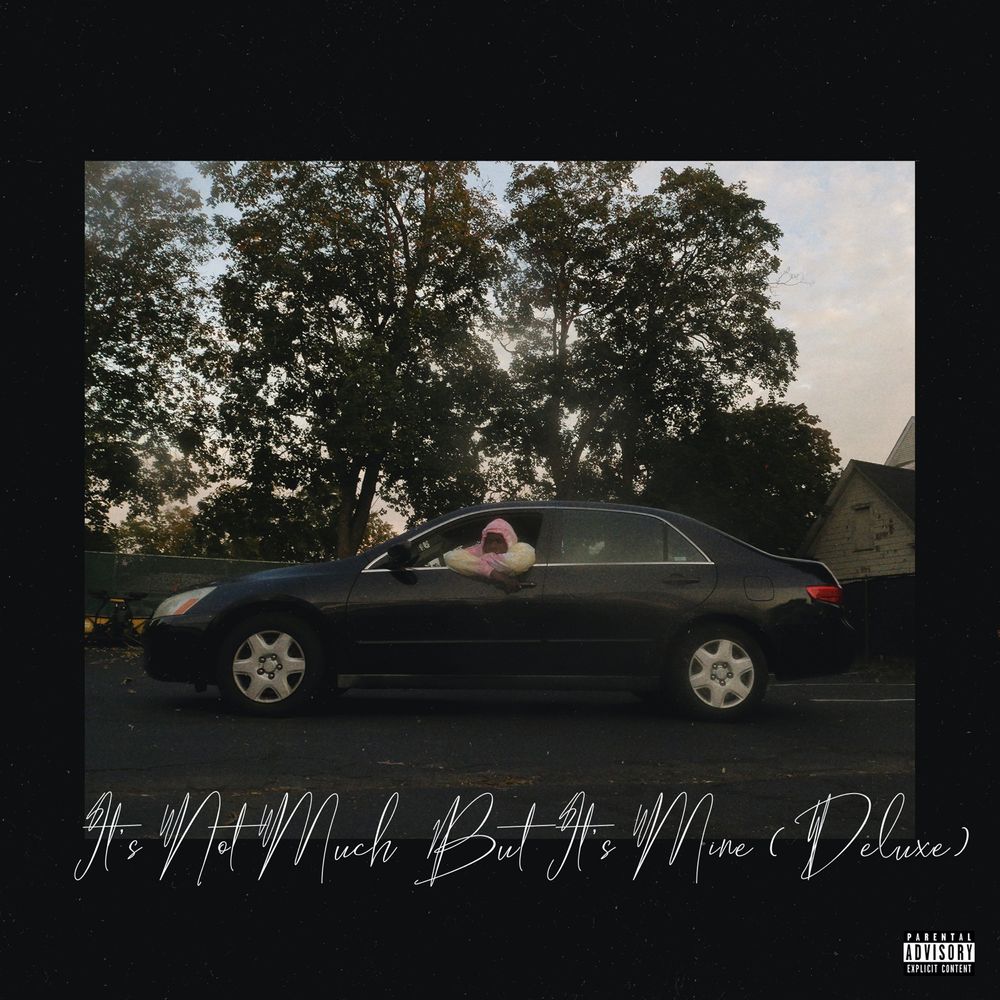
[RIYL: Earl Sweatshirt, IDK, early Tyler, the Creator]

Each year that goes by is only going to feature more members of Brockton’s Van Buren collective. Last year, we had Lord Felix, and now SAINT LYOR and Jiles have both added their names to our list. It’s Not Much, but it’s Mine initially dropped as a five song EP earlier in the year, and it got an extended re-release just in time for Halloween, which fit the heavy brooding bass lines and eerie synths of “Stones.” Bonus track “Rutland” has the VB crew show up for an all-star game. The deluxe version doesn’t add much content in terms of elapsed time, but it rounds out the project and makes it feel more complete. Jiles raps with a calm intensity, a storyteller inhabiting a dark, twisted world.

Harry Gustafson

Jymmy Kafka, Lil Nothin’
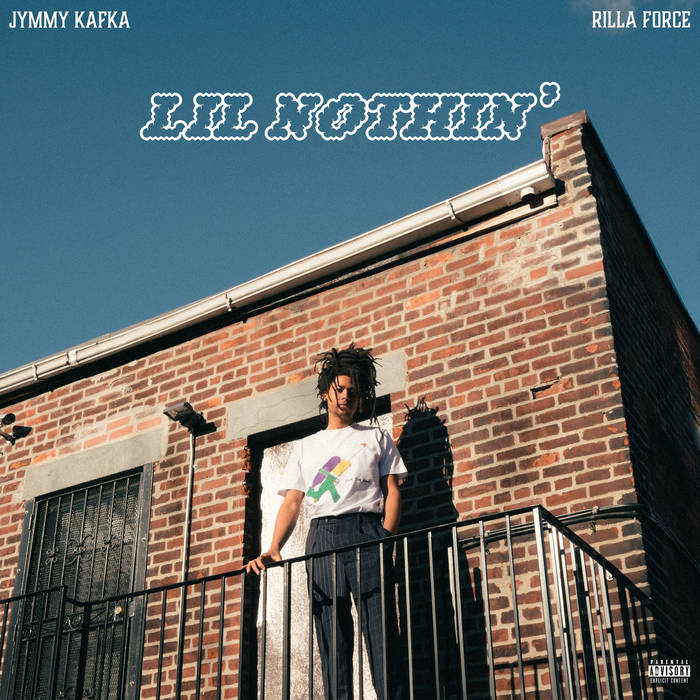
[RIYL: Vince Staples, Joey Bada$$, skateboarding]

Jymmy Kafka is a true proponent of the principle of writing what you know. On his debut LP Lil Nothin’, Kafka takes us through the days of his life: riding the green line, the reggaetón blasting out of car speakers that wakes him up each morning, wanting to quit his job but worrying about paying the bills just the same. It’s minutiae for sure, but, due in no small part to the masterful production throughout from fellow Massachusetts hitmaker Rilla Force, he continually finds ways to make the trivialities of real life unnaturally captivating. The duo make for an exciting team, with Kafka finding all sorts of unique pockets to rap within Rilla’s multidimensional, but always tuneful beats. Although 2020 was a rich year for collaboration within Boston’s ever-vibrant hip-hop scene, Lil Nothin’ still feels like a giant leap forward for both artists involved.

Dillon Riley

Kira McSpice, Aura/Attack

[RIYL: Grouper, Lingua Ignota, ambient and heavy drone]

If you’re looking for one of the most versatile years any local artist has had, look no further than experimental singer-songwriter Kira McSpice. Currently in the midst of a conceptual project about the various stages of a migraine across four corresponding EPs, McSpice followed up 2019’s initial phase Prodrome with Aura and Attack this year. Each release takes a completely different sound and approach to mimicking the sensory effects of their titular phases, with Aura using electronic ambient to evoke visual disturbances and Attack shifting into doom metal to embody sensations of pain. McSpice’s vocals act as the constant foundation that ties the EPs together, layered in compounding drones or anguished cries to fit each record’s mood, building to soaring highs at climactic swells. Both EPs take wholly unique approaches to capturing the sonic representation of living with mental illness, and build high expectations for the project’s upcoming conclusion with Postdrome.

Nat Marlin

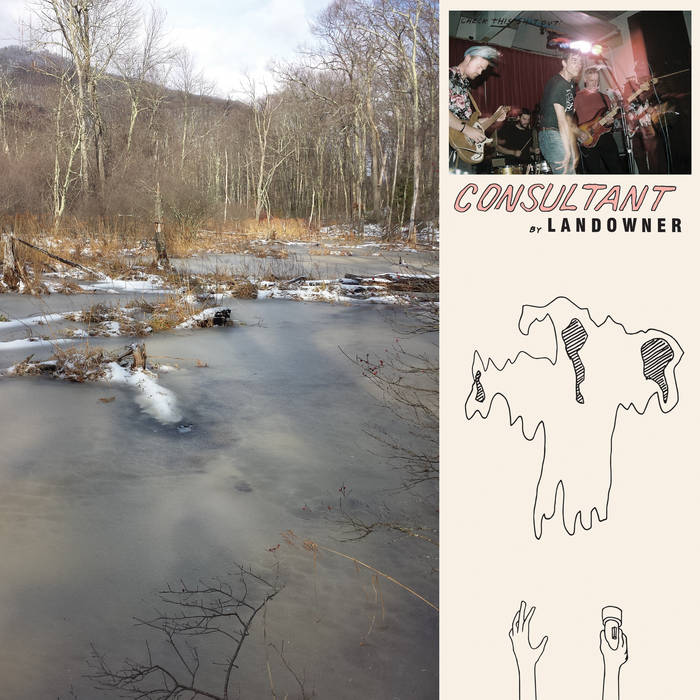
Landowner, Consultant

[RIYL: Q and Not U, Big Ups, IDLES, Ought]

One of the best local rock records of the year, Landowner’s Consultant is an absolute blood rush of staccato guitars, raspy vocals and anxious lyrics. The opening track “Victim of Redlining” is immediately unsettling with lyrics about your own home being bought out from under you, and this sense of dread permeates the whole album. The always gruff and sometimes strained vocals add a sense of uneasiness, as do the lyrics about foundations being uprooted. But don’t think this isn’t also a party! The persistent choppy guitar and bass rhythms lead to some genuine earworms, as on “Swiss Pavilion” and “Mystery Solved.” The end result is a noisy but danceable rock record that’s more hyper than anything. The paranoia is maybe an emotion that we don’t want to revisit, yet it’s a welcome distraction from the otherwise general complacency of 2020.

Andrew McNally

Mallcops, We Made Plans to Self-Destruct and Return to the Stars*
*Note to readers: Joey DelPonte from Mallcops writes for Allston Pudding, but we still wanted to include his work in our list as we believe it to be one of the best albums of the year.

[RIYL: never leaving your emo phase, Neck Deep, Origami Angel]

If you’re looking to relive your emo glory days, or just looking to get a feel for emo pop punk in Boston, this album is a great place to start. With melodies that you’ll often find yourself humming and captivatingly raw metaphors, Mallcops’s We Made Plans to Self-Destruct and Return to the Stars is a fantastic representation of some of the best music put out this year. If one thing is for certain in 2020, it’s that Mallcops never disappoints.

Allyssa DelVecchio

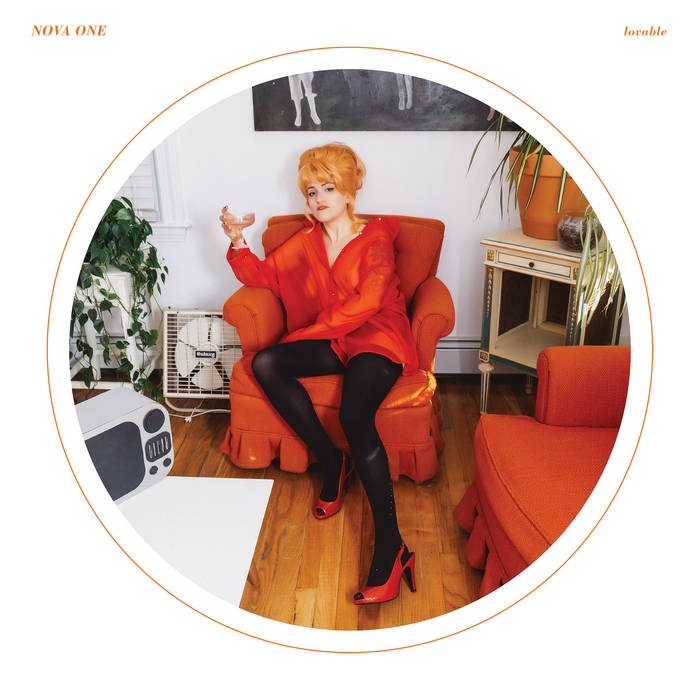
NOVA ONE, lovable

[RIYL: Angel Olsen, hazy ’60s guitar pop, if Dolly Parton were kind of emo]

months later i’m still gushing over roz raskin (NOVA ONE’s) album lovable. offering escape during bleak times this lucid dream-like compilation welcomes us into NOVA ONE’s curated alien world of semi-distorted reality. much like synesthesia, our senses are awakened and mingle when we enter raskin’s lovable trance. the last line of the album leaves us with “and I want to know how it ends,” a question that lingers in our minds as each strange day passes by. with these songs we can float away from it all.

mira kaplan

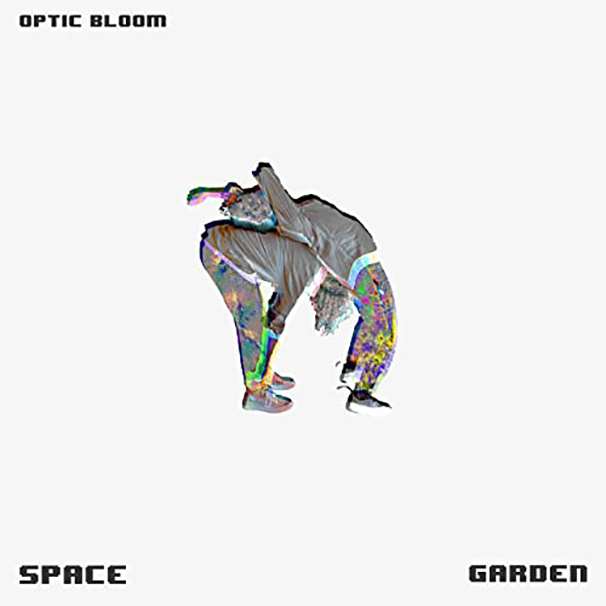
Optic Bloom, Space Garden

[RIYL: space but also underwater but in a forest too, The XX]

A rapper-producer partnership between Flowerthief and Dephrase, this duo had been garnering some advance hype after their 2019 Boston Music Awards performance. In 2020, they delivered on that hype with their debut album, an emotional journey that celebrates those who feel like outsiders in a world not made for them. It moves between soulful and sad to incredibly danceable, which owes itself to Dephrase’s deft production style and uncanny ability to turn the spaciest beat into an irresistible dance rhythm. The deeply layered beats matched with Flowerthief’s lyrics that yearn to find place and meaning show this is an album made for more than just casual listening: something to come back to years down the road as a guiding light in difficult times.

Harry Gustafson

Pink Navel, Giraffe Track
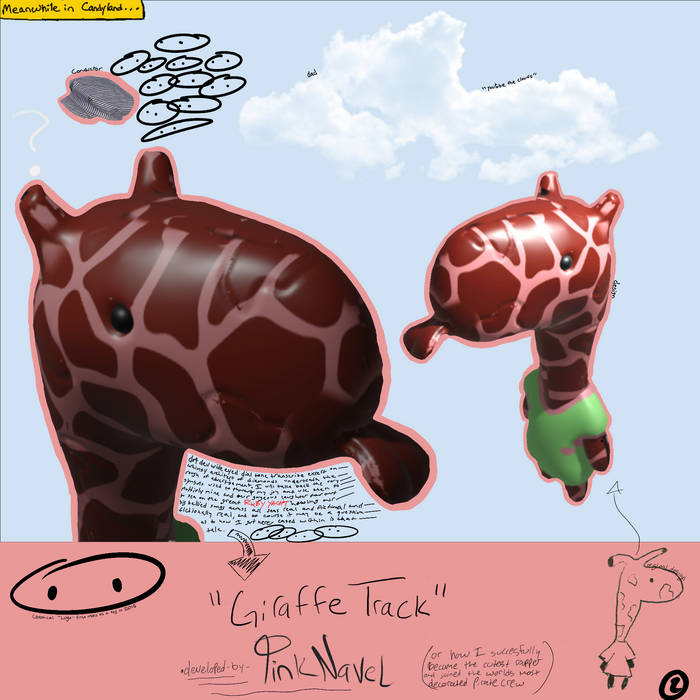
[RIYL: R.A.P. Ferreira, reminiscing with your mom, ’90s animated movies]

Maine-based alternative rapper Pink Navel’s work has often dealt in the concept of nostalgia, but their latest album takes their exploration of the subject into new territory for Devin Bee. Described as “a love letter to my upbringing,” Giraffe Track weaves their signature intricately detailed lyricism and laid-back synthy beats with interstitial home recordings of Bee reflecting with their mother. The record’s near-continuous flow lends it the atmosphere of flow-of-consciousness reminiscing, where each memory holds personal connections to another. It’s a structure that lends the album both a sweet poignancy on tracks like “Paradiddle” and a playful fondness on songs like “Conductor” (not to mention Bee’s unique take on the Hercules musical number “One Last Hope”). Giraffe Track is one of Pink Navel’s most keenly observant albums to date, greatly showcasing Devin Bee’s natural talent for musing on the past and its impact on everything that follows.

Nat Marlin

SAINT LYOR, IF MY SINS COULD TALK
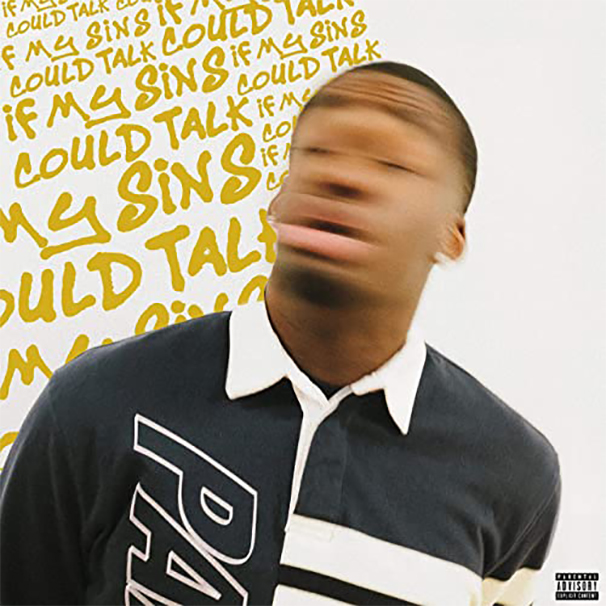
[RIYL: JID, BROCKHAMPTON, Princess Nokia]

Van Buren Records have taken over the Boston music scene in the last few years, continually churning out releases from the Brockton-based crew. SAINT LYOR’s IF MY SINS COULD TALK is one of the many excellent albums they released this year, and it’s a refreshing and fun album in a year full of tragedy after tragedy. I’ve found myself needing to let loose alone in my apartment many nights this year, and I always came back to this album. Songs like “FINSTA” appear superficial when glancing at the title, but dig deep into issues of self-doubt, paranoia, and Black pride. IF MY SINS COULD TALK is the album Boston, and the country needs in 2020.

Christine Varriale

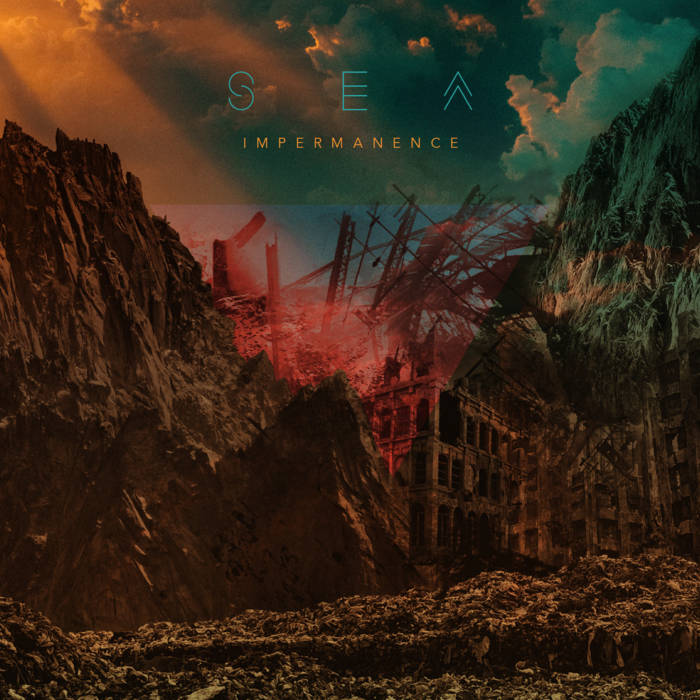
SEA, Impermanence

[RIYL: Vile Creature, Insect Ark, depressive post-metal]

Boston atmospheric doom band SEA has more than made good on the promise of their early splits and EP with their debut LP Impermanence. At a haunting but brisk 42 minutes, the grinding beauty of Impermanence reveals itself with repeated listens. Among the record’s many peaks is “Dust,” its closing track. A towering 13 and a half minutes of swaying bliss, “Dust”’s opening blast beats drop into a soothing post-rock shuffle as co-vocalists Stephen LoVerme and Liz Walshak deliver their cleanest melodies, mirroring the opening salvo of “Penumbra” but in reverse. Walshak and Mike Blasi’s guitars are also of note: heavy and imposing, but never atonal; they provide a bedrock for the band’s majestic sprawl. Serving as the unofficial heavier house band at Somerville’s sadly gone (but not forgotten) ONCE, SEA has become a key figure in Boston’s vital metal scene. May another venue soon take its place in housing these riffs.

Dillon Riley

Squirrel Flower, I Was Born Swimming
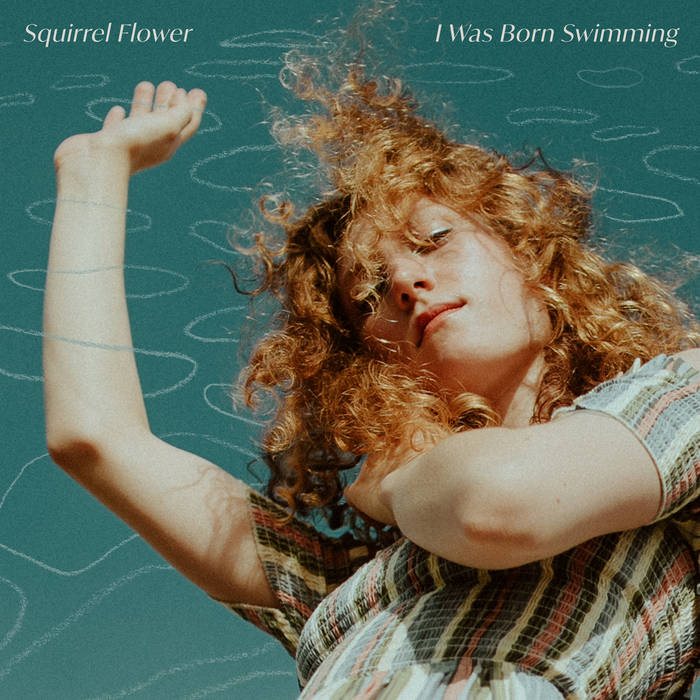
[RIYL: Mitski, Adrianne Lenker, reading Allston Pudding]

I Was Born Swimming was my number two most-listened-to album of the year… and that’s only counting Spotify streams. How many times did I smash that play button on Bandcamp? How many loops around the ol’ record player? We can never be sure, but it was definitely enough times to wonder if singer/guitarist Ella O’Connor Williams is pulling in Bonnie Raitt vibes in the second verse of “Rush,” and enough times to remember what ‘plans’ were when she sings “Don’t say that you love me, then make other plans” in “Streetlight Blues.” One of the best lines of all time, and one of the very best albums of the year.

Jackie Swisshelm

Sweeping Promises, Hunger for a Way Out
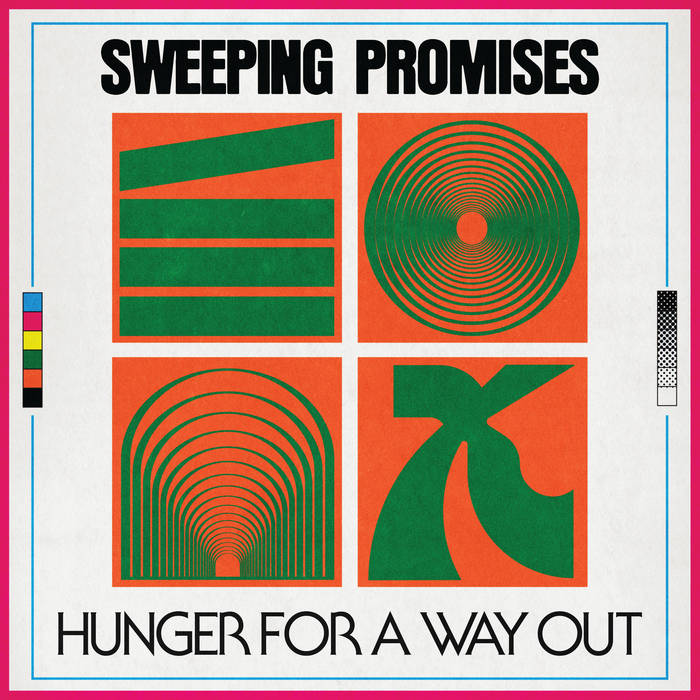
[RIYL: Dehd, Mini Dresses, Slumberland Records]

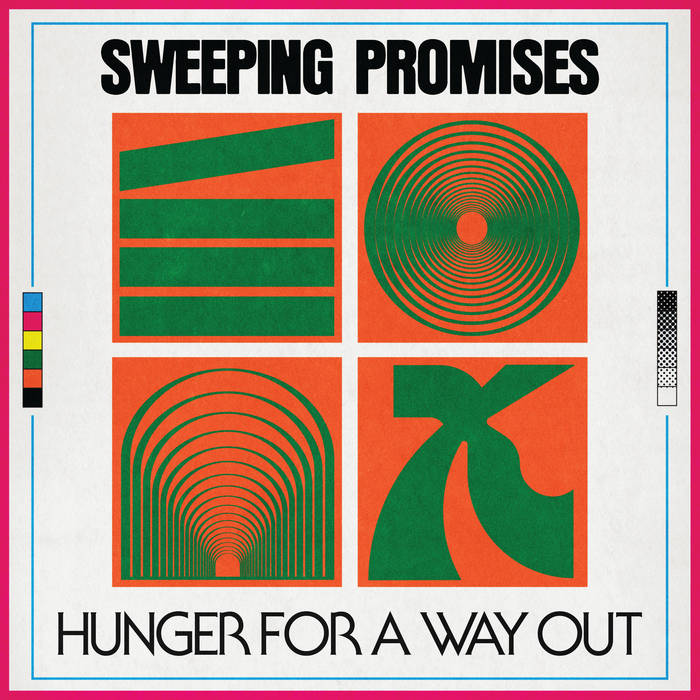
Post-punk Boston band Sweeping Promises have only played one show, yet they’ve somehow landed big time critical acclaim on both sides of the pond. Turn on their debut LP, Hunger for a Way Out, and you’ll hear why. The title track is a rush of adrenaline, an addictive tune ripe for repeat listens. Not to be out done, Hunger is chock-full of punk nuggets. Heavenly pop vocal acuity can be heard throughout, while chugging bass lines and lo-fi beats propel slicing guitar licks. I disagree with the dismissive notion that this brand of under-produced punk rock is a throwback to a specific time period, as some writers have noted. ‘Making more with less’ has been around forever. Sweeping Promises carry the mantle better than most.

Dan Moffat
You Oughta Know: Sweeping Promises

Artwork by D.H. Strother 


Every week, we’re here to remind you of the local artists we love and think you oughta know.


Sometimes, the best way to understand something is to understand its creation. You don’t need to know that the music Sweeping Promises makes—moody, atmospheric post-punk—is the product of time spent in an underground concrete bunker, but it makes the music all the moodier and atmospheric if you do. The duo at the heart of Sweeping Promises, Lira Mondal and Caufield Schnug, wrote and recorded the first tracks of their immaculate debut album, Hunger for a Way Out, in the bowels of a converted Harvard laboratory that has served as their studio space. Nothing but a tense, powerful post-punk album could have resulted from such circumstances.

The songs came together quickly, with Schnug on drums and Mondal on bass, singing the lyrics on the spot. The first song on the album was written in about 20 minutes, and by the end of the night they had all of Side A of Hunger worked out. The songs were recorded using a “patented single mic technique.” Any additional mics they tried to use just picked up more reverb coming off of the concrete walls, so they opted for a dead-simple approach for a cleaner recording and to get out of the songs’ way as they were being created. Schnug, a Harvard PhD, is writing his dissertation on the history of atmosphere and ambiance in film and visual media. He became obsessed with the idea of “single stream music.” “It’s art that is about one thing,” he explains. “No complexity, just one thing, what you see is what you get. It’s all part of one texture,” he says. The result is a gauzy sound that’s imbued with brutalist ambiance befitting a basement. “The whole record sounds like a piece of fabric,” Mondal says.

She and Schnug both cite an interest in the music of the 80s as informative to the Sweeping Promises sound. “When you listen to early 80s post-punk there’s this matte quality,” Mondal says. As people who spend a lot of time thinking about the significance of recorded music, I asked the two about a renewed youth interest in the palette of post-punk through the viral success of Belarusian band Молчат Дома (Molchat Doma). Schnug claims the “haunted quality of Soviet music” strikes a chord with the TikTok audience. This, combined with the post-punk’s immediacy, make it uniquely positioned to take hold with Leftist Doomer TikTokkers. “There’s an ontology to Molchat Doma that bespeaks capitalist ruins, but you can understand it in the first seconds,” he says. Mondal concurs: “Post punk is dourness that you can dance to.”

Though Gen-Z has no shortage of nihilistic music genres, the artificial maximalism of hyperpop makes it a natural foil to post-punk’s cold simplicity. Schnug postulates that hyperpop is “Pop that takes pop music to its terrible destination: letting the medium use you rather than the inverse. It’s a very brutal sincerity.” Mondal hits on the abrasive sonic quality of hyperpop. “The digitality is very much a part of it,” she says.

Now months after their record’s release, Mondal and Schnug have left Boston—their home of eight years— for Austin, Texas. They continue to work on their second Sweeping Promises record, but Mondal says the change in scenery is making for a different experience. She describes the process of writing Hunger for a Way Out as almost frantic, claiming she and Schnug “felt like [they] were on stolen time” at the studio space—you can hear it in her motorik bass-playing and her athletic vocals. But if Hunger is being cooped up in a dark room, how will the band fare as they step out into the light?

Hunger for a Way Out carries a subterranean spirit. It reeks of isolation and, though written before the pandemic, has grown to embody lockdown following its August release. Its title takes on new meaning as the public looks back on 12 months of disrupted life. But with an end finally in sight, a way out seems close at hand.

Premiere: Onbloom Debuts “Self” Video

 
onbloom self

Photo Courtesy on Onbloom

Onbloom has already left her mark on 2020 with her debut EP The Star, which dropped over the summer. Filled with downtempo, soulful R&B crooning – music to soundtrack summer nights filled with long drives, low lights, and wisps of smoke – she was able to make a space for herself among local R&B singers as Boston’s spiritual successor to quiet storm artists like Sade. She’s also popped up as a guest on the work of fellow artists, like Arkh Zeus‘ 2020 LP The Tensai IV.

Now Onbloom is back with a brand new single and video for a track called “Self,” directed by Daymian Mejia. Shot in black and white, it features the singer eating pancakes, lying back to smoke a cigarette, and holding a photo shoot with friends. It’s a classy girls-day-in set in a lightly furnished space, like a short French film that wants to show what young women do when there’s not much else available but to stay inside and turn records over. 

The lackadaisical mood of the video fits the song’s soft satisfaction of the self. The images may give an illusion of some kind of boredom: gentle dancing, flower-holding, joint-smoking in a bathroom. But Onbloom is misleading us; “Self” is about finding simple contentment in one’s immediate surroundings. “Because you feel no threat,” she sings, “because you feel complete.”

Watch the video for Onbloom’s “Self” below, and stream the single on Soundcloud

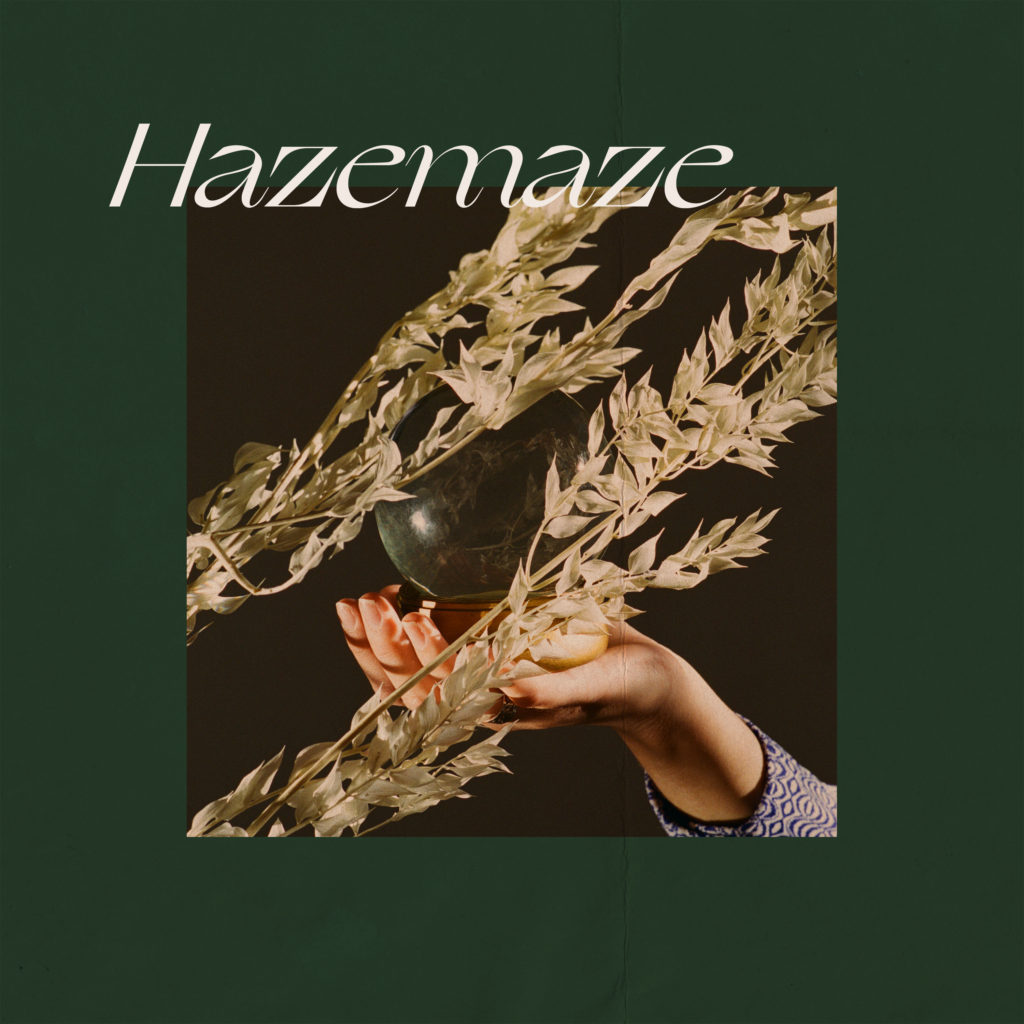
Alicia Clara Pokes Fun At Herself on “Hazemaze”

alicia clara

Photo by Tess Roby

Among the lively, burgeoning indie scene in Montreal (it’s not just the Weeknd, guys!), you’ll find Hot Tramp, a record label and management company, that’s the found home of some of the city’s pop talent. We’ve covered Janette King and Maryze before, and now they’re joined by their labelmate Alicia Clara in AP’s archives. This singer/songwriter occupies a dreamy, bedroom pop space than her lablemates. Back in November, she dropped “Five,” and is now following that effort up with “Hazemaze.”

alicia clara hazemaze

Design by Aude Voineau; Photo by Tess Roby

This new track is a psychedelic-folk roller coaster, containing a few distinct musical sections that elicit a different feel: an uptempo beginning slides into a slowed-down waltz, before picking up speed again as a driving beat brings it all home. Musically, it makes for a fun, dynamic listen. Indeed, Alicia Clara seems to be having some fun at her own expense, saying that the song “is […] about my obsession with fixing people and wanting to turn them into my idealized version of them.” She’s here to offer a reminder that this isn’t always the best way to handle relationships. “This often ends in me fooling myself, and, ultimately, in a little bit of a disaster. It’s my little self-deprecating song!” Self-deprecation aside, the singer doesn’t make this pattern sound too bad; her lyrics come across as earnest, sincere and warm, even if she’s doing a bit of self-excavating to break an old habit. 

Both “Hazemaze” and “Five” will feature on Alicia Clara’s upcoming EP Outsider/Unusual, due out in February 2021. You can preorder the EP via Bandcamp, along with some extra merch, like a vinyl and tote bag combo (in case you’re doing a little holiday shopping for your teenage cousin who is desperate need of some indie cred). 

Kacy + Clayton and Marlon William’s Plastic Bouquet Grows Between Familiar Strangers


fun tip: stream the album during your read (if your brain allows)

The story of this project between artists from across the world begins three years ago when Marlon Williams, a New Zealand based singer-songwriter, heard “Springtime of the Year” by Canadian duo Kacy + Clayton, thinking he had stumbled upon a record from a past time. When Marlon learned that Kacy Lee Anderson and Clayton Linthicum were a couple of other “old timey kids,” with an affinity for americana, he looked them up while on tour, they met, and the idea blossomed into making an album: Plastic Bouquet

Two years ago, never having met Kacy or Clayton, Marlon flew from New Zealand to Canada to record this 11-track beautiful melding of voices, hemispheres, and stories. Today, Plastic Bouquet, the debut project between Kacy + Clayton and Marlon Williams is released. 

A week ago I caught up with Marlon and Kacy on a call spanning three time zones and countries. We chatted about how this unlikely project came to be.


Collaborations can be unpredictable – especially among people who have never met. Right away I picked up on a genuine friendship and mutual adoration manifested through jokes, jabs, appreciation, and lots of laughter. Kacy was a little more relentless with her humor, pushing me to pronounce her hometown “Saskatchewan” until I got it right, and sharing that she made Marlon star in her tiktoks (he didn’t know what tiktok was). 

Their banter flips between goofy and introspective, a dynamic reflected in their songs. While their sound is grounded in folk tradition, the stories add a whimsical spin. The song “Old Fashioned Man” sarcastically highlights the arrogance in old-time chivalry as Marlon sings “Just think of what I could provide! / Believe me, there’s no obligations / but I can’t stand being denied!” The music video for opening track, “Isn’t It,” brings us into pioneer-era Saskatoon, Canada. Written and directed by Kacy and Clayton’s cousin Breanna, the main husband and wife characters are played by women, challenging marriage roles and ending the scene with the bride’s gunshot.  


The way their voices sound together, overlapping in songs like “Light of Love” make the collaboration worth it alone. The descriptor “crooner” has become affixed to Marlon William’s name. I asked if it bothered him and he kindly said he doesn’t pay too much mind to descriptors. Kacy chimes in, “he IS a crooooner!” But if Marlon is a crooner, Kacy’s voice is just as swoon worthy. In that track, when she repeats lines like “Go tell your mother / You’ll be home before the snow flies,” you’ll understand why Marlon says if he could have, he “would have listened to Kacy sing the whole time from the background.”

Kacy, Clayton, and Marlon draw upon early country influential icons like Merle Haggard and Mississippi John Hurt. But Marlon’s “pacific country music choral elements” connects folk music in a global way. He points to the tracks “One by One,” recorded by Johnny Cooper and Margaret Francis Cooper’s “Manu Rere” for examples of New Zealand’s choral country sound from the ’50s. As listeners, we can learn and appreciate the overlap and disconnect between folk traditions across the world – north, south, east, and west. It’s a subtle tool of education, enticing us to explore sounds from other places. 

On the songwriting process, Kacy shares, “I did one, then he did one, then I did one, then he did one.” Alternating songwriting allows each to start a story from his or her own perspective and finish it together. Location and geography become characters in the songs themselves. The title track, “Plastic Bouquet,” has a lyrical focal point on a highway in Crestwynds near Kacy + Clayton’s home: “On the cross by the highway with the plastic bouquet / Up through the Crestwynds speeding for town / That’s where they found him thrown out.” A couple songs later, Marlon’s track “Arahura” echoes from across the world as he embodies the Arahura River, known for its richness in Pounamu (jade/greenstone). Kacy chimes in that she loves this track and we all laugh at the difficulty of another hard-to-pronounce location. Marlon invokes New Zealand’s Māori culture when in the song, he depicts the 19th century chieftain Te Rauparaha; “Te Rauparaha / Had the greenest of eyes / He came a long way / For a shimmering prize.” 

With mentions of Saskatoon, Crestwynds, Saskatchewan, Arahura, and Te Rauparaha, their songs narrate places of home while learning what life is like on the other side of the world; as Kacy asks, “Would you tell me what the winter’s like down in the Southern Hemisphere?” (in “I’m Unfamiliar”). For unfamiliar ears, these places are easy to mishear. I mentioned a lyric I had imagined and Marlon shares that the two misheard some of each other’s lyrics at first. Kacy remarks, “Who cares? Make your own lyrics, make them up and sing them over the songs.” That’s a part of the sharing process of blending the familiar with the unfamiliar in creating something new. 

The two share a duet in the final track, “Devil’s Daughter,” with the addition of recording banter serving as bookends at the beginning and end of the track left in as an afterthought.  The recording opens with Kacy saying “sorry for laughing,” Marlon responds, “it’s okay.” I mentioned that Marlon sounded a little annoyed at the beginning of the track and they both laughed and agreed. But it just comes off that way. Marlon closes the album speaking the word “nice,” leaving us with a sweet and honest closure to the Plastic Bouquet chapter, until we can see its revival in live performance. It’s a good thing it’s plastic because we’ll be able to hold on to it until that time comes. 

STREAM PLASTIC BOUQUET HERE

& ORDER THE ALBUM + MERCH HERE 

Premiere: Arkh Zeus Dives Inward on “Tensai IV”

arkh zeus

Photo Courtesy of Arkh Zeus

Hailing from Everett, the 21 year-old rapper Arkh Zeus has been releasing music since 2014, when he dropped his debut album The Tensai. If you do that math, that means he’s been honing his craft since he was 15. Fast forward six years and the rapper is ready to drop his latest full-length release, The Tensai IV. “Tensai” is a Japanese word that roughly translates to “genius.” In many ways, this album series is documenting Zeus’ continued sharpening of his abilities as a lyricist, musician, and creative visionary. 

“The album,” Zeus says about Tensai IV, “entails a deep journey inward, following themes of existentialism, introspection and transformation.” Preceded by the single “Lilies,” which came out on December 1st and is for sure one of the album’s standout tracks, Tensai IV definitely fits the current mood brought on by shorter daytime hours, About “Lilies,” Zeus said that the song “is a plea of desperation; tearing off each petal of my being and wishing to bloom into something more beautiful.” 

With the promise of Kid Cudi’s return to The Man on the Moon trilogy on the horizon, Arkh Zeus will serve as a more-than-suitable stand-in for the time being, as fans of Cudder will no doubt find a familiar, friendly, and searching avatar in Zeus’ melodic hum of a flow, as well as his introspective focus, a damaged voice seeking healing from within himself. 

Zeus has a penchant for deep, moving metaphors in his lyrics. Take this snippet from “Scarred Ties,” which seems to examine interpersonal relationships, especially how ill-intentioned connections can take a toll on an individual’s trust. “Look at this garden of anemones, my heart says they all resemble enemies, but I let them all become a friend to me, look what they did to me.” It’s sad and tender, and inspires a desire to pat Zeus on the back. That’s how it is sometimes with the people you give trust; not everything in life is as reciprocal as we might hope. 

zrkh zeus the tensai iv

The Tensai IV Album Art

The rest of the album offers features from collaborators Onbloom, Laurencia, Shandelle, Sarah Cordova, and Dorothy Merlos. That’s a group of talented, mostly-local singers who add a touch of airy vocal flair, often harmonizing with Arkh Zeus’ main vocals. Instrumentally, there are enough viby guitar strums and melodies to give Tensai IV an emo tinge, just around the edges. Zeus and Owen – another Everett-based producer – handled production for the album. 

Looking at the track titles, you can start to notice a pattern in Zeus’ naming tendencies: so many of the titles make reference to natural occurrences that are induced by intense, dynamic metamorphosis. “Fossils” are the imbued shades of long-dead creatures from millions upon million of years in the past, impressed into the Earth from eons of pressure and seismic change. “Dying Lotus” and “Lilies” reference flowers, which bloom and wither over the course of a year. “Butterfiles” go through three significant life stages, stuck in an isolated chrysalis before they can emerge in their full majesty. Arkh Zeus is painting himself as such a phenomenon: something mutable, changing, gradually adapting and evolving as environmental pressures dictate. 

Stream The Tensai IV below via Spotify or on Arkh Zeus’ Soundcloud page. 

Premiere: SLDG MUSC Benefit Comp Features Anjimile, CAMP BLOOD, Carol, LAVAGXRL & More

By Harry Gustafson

sldg musc eclectic change

With the imminent approach of the holiday season (I am afraid to leave my house knowing that “All I Want For Christmas Is You” is being blasted in every public location), it’s paramount to remember the giving spirit that this time of year is meant to instill in us. 

Since none of us (well, hopefully) have been to a show since March at the latest, it’s easy to forget the hard work that bookers put in to make sure we as concert-goers got the sickest lineups possible at any given gig. Sludge Music (SLDG MUSC) was one such organization. But with gigs off the table for now, local music scenes are changing; artists, organizations, and individuals find themselves in an odd position where they need to find creative ways to keep doing similar things as they were pre-COVID. So SLDG went ahead and organized a compilation of local artists, the proceeds of which would be redirected to charitable causes. 

It’s called “Eclectic Change,” and just maybe that’s a title that will resonate with a lot of folks out there who feel like their lives – the very way they do basic everyday tasks – has changed dramatically. Featuring an all-star ensemble that includes Anjimile, Camp Blood, LAVAGXRL, Dirt Buyer, Pink Navel, Raavi & The Houseplants, Red Shaydez, Carol, Sidney Gish, and a slew of others, the 32-track compilation lives up to its title of “eclectic.” Many of the tracks are demos, so you have the chance to hear them in their rawest form. Camp Blood’s remix of VAGUE AS FUCK’s “Died in the Glitch” is a special favorite, but there’s a little bit here for everyone. It offers a unique lens at the seemingly-endless stream of genres that local musicians are dabbling in. 

Proceeds for this stacked comp will go to Trans Trenderz, a Black trans-run, mission focused label; and National Bail Out, a Black-led, Black centered collective focused on aiding the incarcerated and prison abolition.

Buy Eclectic Change on Bandcamp