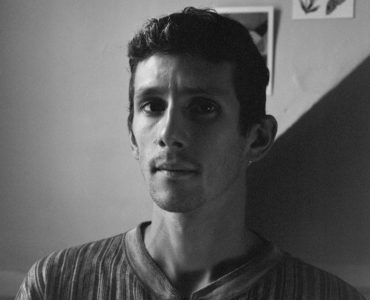
You Oughta Know: Cooney Thatcher

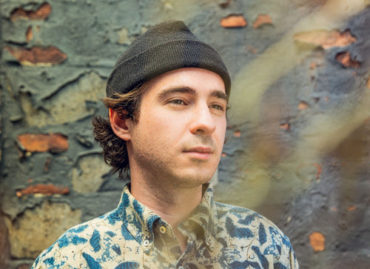
Music comes quite naturally for Stephen Kerr. Sole member of folk music outfit Cooney Thatcher, the 29 year-old resides in Western Mass where the trails are aplenty and the city is but a blip on the skyline. Growing up in a musical household with music teachers and musicians throughout the generations in his family, the desire to create was in his blood from a very young age. He began writing poetry before he was nine, eventually moving into songwriting and learning to play various instruments. “If you put something in my hands, I’ll try to make some music with it,” describes Kerr, who – at the moment – plays the upright bass, guitar, piano, French horn, trombone, trumpet and drums among others. 
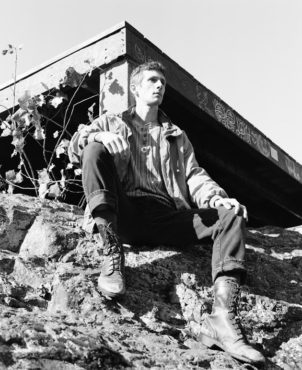
Never far from his familial roots, even the name Cooney Thatcher is directly taken from his kin, Cooney being his father’s mother’s maiden name and Thatcher being his mother’s maiden name. It was important to Kerr that he used these names specifically as they are the “names that aren’t going to make it through due to the patrilineal naming system.” 

Being used to creating on his own, Kerr admittedly did not experience the same creative obstacles that many bands have over the past year in isolation. In fact, the added free time came with an uptick in productivity. Not that he necessarily needed the encouragement, already having committed to making one song a week back in 2019. “The more time I have, the more work I put in,” says Kerr. Taking his 2019 goal to a new level in 2021, the artist has vowed on his Instagram to do one song every day, which he still says can be less than the amount he normally creates. Difference being that each of these songs-of-the-day will actually be shared with listeners instead of just living in his head or in a saved voice memo. 
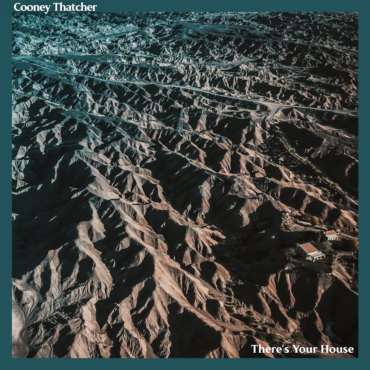
Kerr also plans to release an EP as Cooney Thatcher later this year. Titled There’s Your House, the six song release is named after an idea of self-awareness. “Like you’re in a plane, looking at your town [from above], maybe you can spot your house… seeing yourself from the outside.” The introspective release kicked off with it’s lead single “There’s Still Time” which dropped on the first of this month. A mellow trip with a jovial melody that will stick to your heart and in your mind. Subsequent singles are planned leading up to the May 1st release of the full EP. 

All of this productivity and creation stems from Kerr’s desire to define feelings of a specific nature. “Feelings that everybody has that haven’t yet been pin-pointed or expressed or consciously realized. People have these feelings all of the time. These swathes of emotion that aren’t easy to define. I try to capture one of these transitory feelings [with my music]… the more you play the more you can define these things that you couldn’t talk about before,” explains Kerr. Starting from such a young age Kerr has experienced a level of growth in this quest for explaining these feelings between feelings. “Who you are as a person changes over time but it’s the same material. Your job as a creative is to refine that material and morph it into different shapes. The more influences you take in can lead to you understanding [more of] yourself.”

Some of these influences are found in Brazilian singer-songwriter Gilberto Gil, American psych-folk musician Cass McCombs, children’s literary hero Shel Silverstein, and the one-of-a-kind avant-garde icon Bjork. The latter Kerr describes as the “perfect example of a consummate artist.” 

Moving forward, in addition to the There’s Your House EP due out May 1st, Kerr is planning to continue his song-a-day personal challenge, host biweekly live streams (in this case twice a month) and possibly formally release more tunes as well. “There’s a hell of a lot more music coming out,” admits Kerr, and for heaven’s sake we can’t wait to listen to it. 

You can stream Cooney Thatcher’s new single “There’s Still Time” below, and look out on Spotify for the new EP There’s Your House out May 1st! You can follow him for more updates on Facebook, Instagram and Twitter.
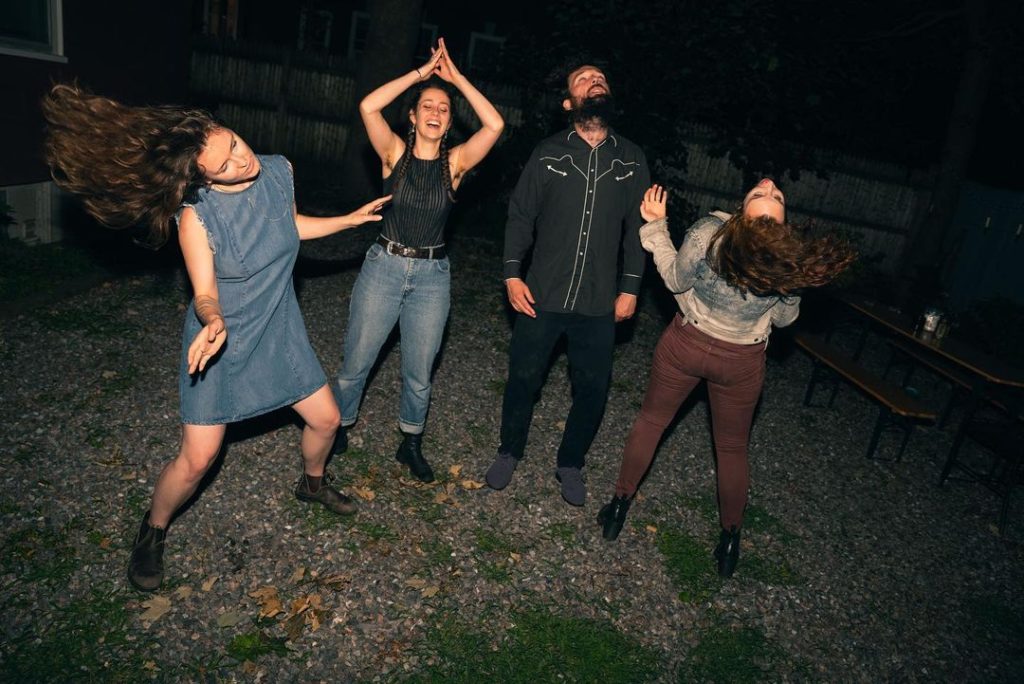
 

INTERVIEW: The Goodrich Family Band Are the World’s First All-Roommate Supergroup

Photo by Adam Parshall

Eleanor Elektra, Max Ridley, Taylor Holland, and Zoë-Rose DePaz live in a house like any other on Goodrich Street in Jamaica Plain. Three bedrooms, two bathrooms, in-unit laundry. There is a garden where tomatoes, peas, basil, and bee-friendly wildflowers are growing. There is a communal concertina in the living room for when the housemates gather to play folk-inflected free jazz. “Non-idiomatic improvisations,” Ridley, a Berklee-trained jazz bassist, explains. Things like this happen in the Goodrich Family Band household. What do you expect from four accomplished musicians living under the same roof? “We have more instruments than there are people in the house,” says Ridley. The house itself is an instrument, too. The band notes that the faucet drips with such regularity it can function as a metronome. “We’ve definitely played an entire song to it,” says Holland, a singer-songwriter and the group’s banjoist.  

DePaz describes these loose jams as feeling like play. “It’s something you don’t get a chance to do much in adulthood, but you get to do all the time as a kid,” says DePaz, a punk fiddler with Celtic folk bona fides who is also Ridley’s fiance. On an ordinary night, the house might serve as a DIY concert venue, but the shows were halted due to the pandemic caused by the novel coronavirus. In their place came more regular jam sessions. “We throw parties for ourselves now,” says Holland. Upon this fertile ground, the seeds of the Goodrich Family Band were sown. “There’s a party face to the house and there’s the more serious, studious side,” says DePaz. “Like, ’Let’s work and make something creative and beautiful together.’” The result is a four-track EP titled Balance, Right? to which every member contributed a song of their own. 

The band cites “Lie Fallow” as the first official GFB song. Written by DePaz in the fall of 2019, she describes the song as a much-needed creative outlet after her folk-punk band Troll 2 went into hiatus. It describes a period of intentional stagnation that ultimately yields to new growth. Though written before the pandemic, it has taken on new meaning in its wake. When she sat down to record the song in the living room, she invited her housemates to add their own parts to the track: Ridley on bass, Holland on banjo, Elektra on guitar. Soon, what was intended as a solo release became the new house project. The full-band’s recorded version is a gentle, loping folk ditty with a barn-burning chorus. DePaz’s warbling vocal performance hits the ear with the grace of the first spring robin but you can still hear the effort it’s taking for her to sound so unbeat. It’s a song about the struggle to feel good when everything around you is wilting. “It’s hard to let things go / and it’s hard not to brace yourself against the coming cold,” she sings. It is the opening track on Balance, Right?. 

As longtime cohabitants, the members of the Goodrich Family Band were already close, but creating music together took a wrecking ball to any boundaries that were left. Being quarantined spurred things along, too. “The lockdown hitting threw every relationship into sharp relief,” Holland says. “You’re either living with people and now those are your people, or you are not with people and everything that was in any kind of a gray area is now on the chopping block and it goes one way or the other.” This feeling of isolation was the genesis of her Balance, Right? track “Closer.” In the absence of human closeness, she became more attuned to the flora around her. “Do the trees feel closer? Are the flowers so much more important when I cannot touch you anymore?” she sings over a mournful fiddle and descending bassline. 

Holland describes her songwriting approach as “not understanding on a conscious level.” She purges thoughts and feelings in exorcistic fashion and returns later to make sense of the resulting mess. By looking back at her unfiltered thoughts she can come to a greater understanding of how she feels with the benefit of distance. By contrast, Ridley is spurred on by the moment. “My favorite way to make music is just, ‘And…start’ and make something from nothing,” he says, pantomiming pressing the Record button on an invisible four-track. His song “Balance, Right?” is the album’s closer and title track, a slacker-folk number built around a melodic bass and finds Ridley taking stock of his life. What’s working, what’s not, what should change and what indulgences he’ll allow for himself. “If I drink a little now and then and only do drugs on weekends I think I’ll finally get it right,” he sings, and an orchestra of guitar and fiddle bursts onto the scene to meet him at his eureka moment. 

Folk music has always trafficked in some form of intimacy, be it the emotional openness of the delta blues or the homespun warmth evoked by acoustic instruments. Folk has been called “the people’s music” for both its role as ledger of the cultural-historical record, and for the way it can convey the Big Feelings of ordinary people. There is some transsubstantive quality to the music on Balance, Right?. There’s a genuineness to these songs that goes beyond the patina of folk they exist within. “The idea that country music or acoustic instruments equates to authenticity is garbage,” Elektra said. She’s right, of course. To write songs that feel personal is to be a musician, but to write songs that feel elemental is to be a folk musician.  

Balance, Right? is available on Bandcamp. You can also stream it on Apple Music and Spotify.

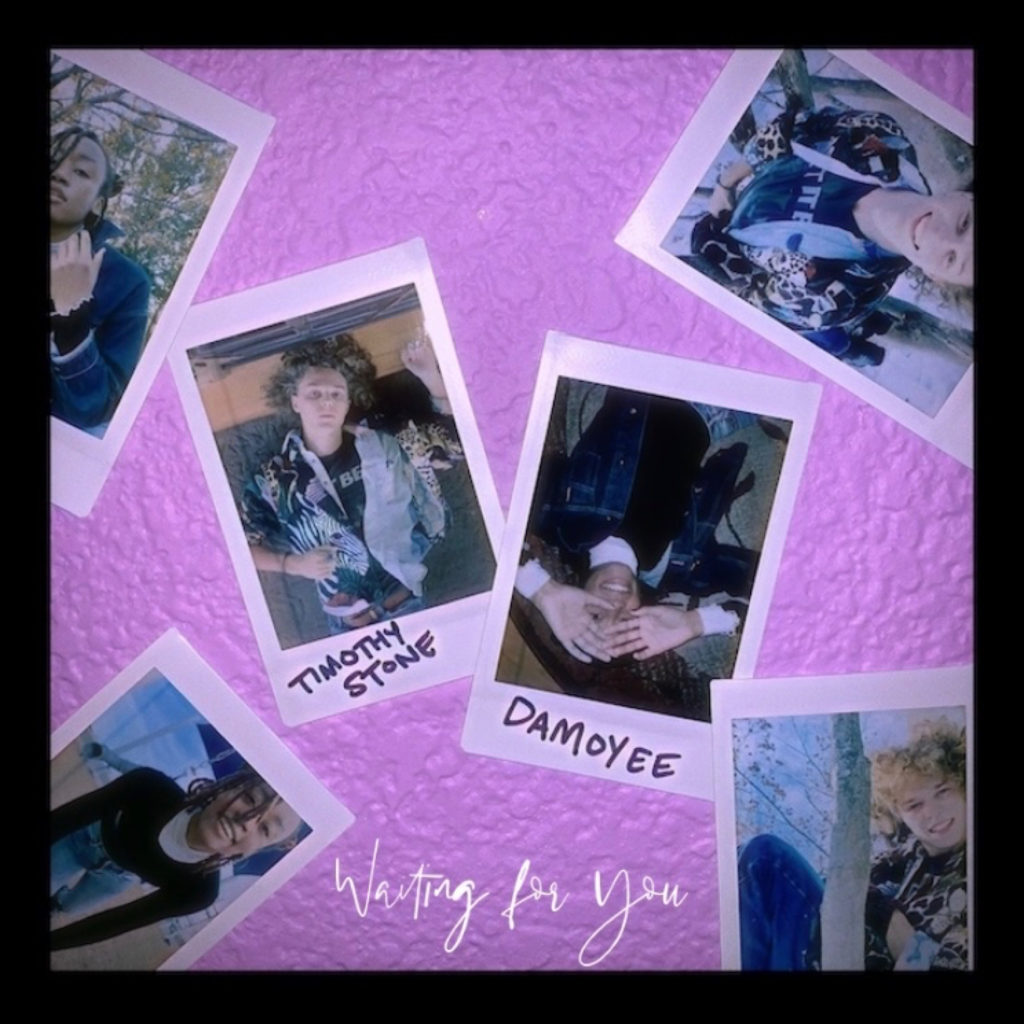
Premiere: Timothy Stone & Damoyee Unveil Collab “Waiting For You”

damoyee janai and timothy stone

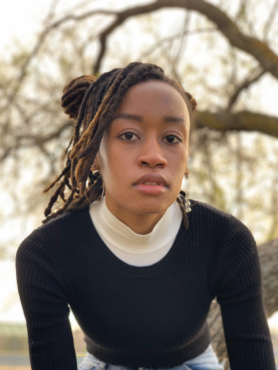
Since moving to Boston to attend Berklee College of Music last year, Damoyee Janai (aka DAMOYEE) is one of countless young people finding out the their ideal college experience has been derailed by the pandemic. Currently based in her hometown of Dallas, she was in Boston just a few months before having to head back to Texas for remote learning. 

damoyee janai

Photo Courtesy of DAMOYEE

timothy stone

Photo Courtesy of Timothy Stone

That hasn’t stopped her from making the most of her connections with classmates, like fellow Berklee student Timothy Stone, who hails from Redding, CT and Gloucester, MA. The two have been songwriting together and have released a new single. While the two hadn’t met on Berklee campus, they were able to connect online through a virtual songwriting camp. As such, “Waiting For You” came to be.

Fusing Damoyee’s soulful vocals with an indie rock vibe (complete with a chill surf-rock guitar hook, Stone and Janai duet in a weary, lamentful way, contemplating the futility of staying up all night expecting a new result. This sentiment hits home during pandemic days, when it’s hard to remember which day of the week it is, let alone remember a time when life was more than this monotonous thing of repetition. While that can be a sobering, even depressing feeling, Damoyee Janai and Timothy Stone remind us that there is a quiet strength and unrelenting beauty in waiting, knowing that someone is waiting for you, too. 

Listen to “Waiting For You” below or on the streaming service of your choice. 

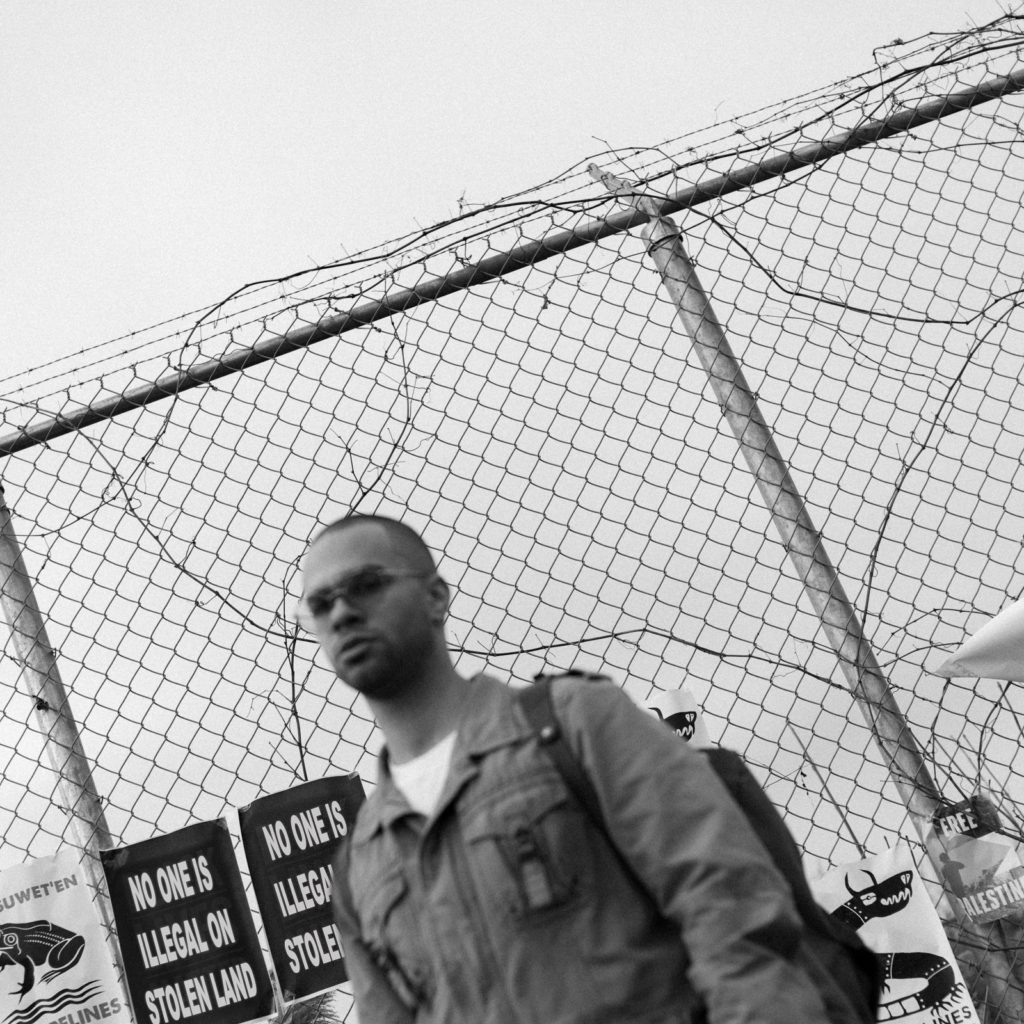
PREMIERE: Milla Thyme Raps For Indigenous Rights On “Borders”

milla thyme

Photo by @olea.lens

It is imperative to remember that a simple change in political regime is not a cure-all for society’s ills. Problems persist in our global society, and one of the primary functions of art is to address those issues. So when you hear a piece of art described as “politically-charged,” remember that such a term often works to limit that art – and the discourse it raises around the issues it addresses – in  a sort of vacuum; we admire the work and the message, but fail to take to heart the lesson that we, as an audience interacting with art, have a role to play in working for change. 

Milla Thyme – a rapper, bassist, and producer hailing from Montreal – is using his new single and video for “Borders” to create a dialogue surrounding the necessity of respecting and honoring Indiginous communities around the world. 

The song itself blends hip-hop lyricism with hard rock instrumentation; Milla Thyme cites Rage Against The Machine as an influence to the track’s sound, a comparison that is driven home by the song’s overt political message. For the chorus, Milla Thyme enlisted the aid of R&B singer Myrtle Thomas, who adds a soaring gospel performance to play off the pointed lyrics of Milla’s verses that critiques a social issue that has persisted throughout the history of both Canada and the United States. The corresponding music video opens with footage of a group of protestors objecting to the Dakota Access Pipeline. Through the rest of the video, you see footage of displaced people climbing fences in search of asylum and the Berlin Wall protests of 1989, among other historical moments. According to the artist, “the idea is to show that if we take away these borders or barriers that there is more that unites us than what separates us.”

“Borders” is the third single from Milla Thyme’s upcoming album Everything Has Its Thyme, which is due out in April 2021. To coincide with the release, Milla Thyme also wants to highlight organizations like Montreal en Action, the Native Friendship Centre Montreal, and Rap Battles for Social Justice, the last of which he was an active team member from 2016-17. Watch the video for “Borders” below.


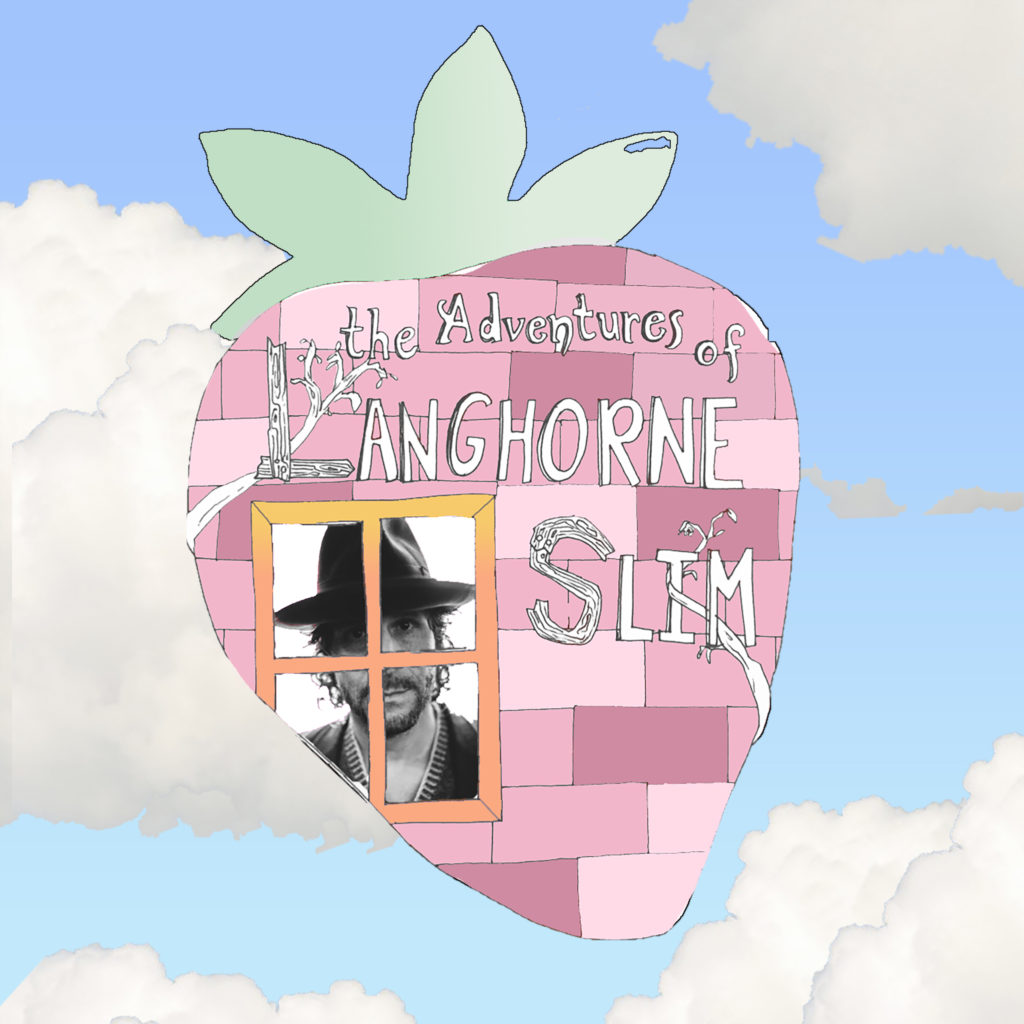
INTERVIEW: The Adventures of Langhorne Slim at the Strawberry Mansion

Whether performing in a synagogue or at a music festival, Langhorne Slim never fails to captivate audiences with his stories, songs, and sweat-filled struts through the crowd like Moses parting the Red Sea (in white overalls). And even without his intimate live performances to accompany this release, Slim’s Strawberry Mansion invites us along his introspective journey. The double album suspends time and place brimming with imagination-filled and prayer-like lyrics. With a lust for past and present lives, Slim’s seventh album Strawberry Mansion drops today.

When talking to Rabbi Slim, we’re transported to the world of a little boy from Eastern Pennsylvania who feels out of place and time, sitting on the laps of his grandpops Sid and Jack, listening to stories of their adventures. He imagined his grandfathers as young boys – newsies types, Huck Finn types, shooting the shit, clad in caps and suspenders, running around their Strawberry Mansion. The pink-tinted, sweet and juicy neighborhood in Northwest Philadelphia was their playground. Thirty years later, Langhorne Slim feels more at home in this world, and in his very own strawberry mini-mansion where he’s found alley cats to prance with. His pink house in East Nashville is filled with objects and knickers from all of his own adventures, but he still carries his grandparents’ spirits close to his heart. 

Read on to hear Slim’s views on livin’ life inside a strawberry: 

Historic Strawberry Mansion in Philadelphia

Allston Pudding: I had a feeling that Strawberry Mansion was about the neighborhood in Philadelphia, do you have a connection there? 

Langhorne Slim: Strawberry Mansion, which was referred to as “The Mansion” by my grandparents and their friends, is a place that I’ve heard about throughout my entire life. My grandfathers were born and raised in Strawberry Mansion and they were the big men in me and my brothers’ lives growing up. Like old folks do, they reminisce about old times. I used to hear these stories about them running around before they went off to war and when they came home and their experiences as children.

Imagine Huck Finn and not-so-much Oliver from Oliver Twist, but more like Jack who was his badass counterpart homeboy. I had this vision from these stories of these young guys who were kind of mischievous, and they were poor, and they had dirt under their fingernails, and they knew how to take care of shit as youngins. I knew these guys not then, only through their stories. I knew them as older men. They were incredibly generous emotionally; my examples of men who were kind and sweet and loving. I never watched “The Notebook” with my grandfathers, but if I had seen it with my grandpa Jack, I bet he would have teared up and cried. He wasn’t afraid of that.

Maybe everybody feels this way, but as a kid I felt like I was born in the wrong time and place. It took a while to find my crew of like-minded freaks and creative people. I’m from a small town in Pennsylvania and growing up in that environment, hearing these stories, I longed for a gang of friends to run around with; they all had these names like Whistle and there was a fella named Curly. When I grew older and moved to New York, a version of my Strawberry Mansion opened up. There was a much more diverse array of cats; creatively diverse, racially diverse, sexually diverse. I also live in a pink house now and I didn’t think of it this way, but I guess it kind of looks like a strawberry. It’s not a mansion, but it is a pink house.

AP: Speaking of your grandparents, we have always wondered what it feels like to sing “Song for Sid” at every one of your concerts? 

LS: I rarely feel like I have to force myself to fake it to get any emotion out of that song. It came to me right after my grandfather Sid passed away. I’ve got codependency issues. I don’t like saying goodbye to living people. It’s not a goodbye to my grandfather, it’s like a… I don’t know what the fuck it is. It’s like keeping the line of communication open. I wear his necklace every day around my neck and I’ve sung that song in front of audiences when the necklace falls off. I feel that old man around me. With writing songs like that, you get to hear beautiful stories and the saddest motherfucking stories from people that connect to it, which is a trip and an honor. If you look out into the crowd and you see people getting emotional, it’s the same as looking out and seeing people dance.. That puts a feeling in you that there’s something higher going on. 


AP:
You speak a lot about spirituality, and in this album you specifically reference ‘god’ and ‘lord’ often. Do you believe in those things more tangibly or in the conventional sense? 

LS: I don’t know what the conventional belief is in God, I know how I read about it or how people use it against each other. It almost seems negative from where I stand. I was raised in a liberal Jewish light kind of vibe. I’m proud of my roots and the traditions of it, but my Hebrew school experience was more like learning how to pronounce words so you can recite them at some point and then they’re gonna tell you that you’re a man at thirteen. So how do you get any context? It was an issue that I had in school in English too. There was a lot of memorization but there wasn’t anything underneath it that we were actually learning. I’ve always felt that there’s more than meets the eye. 

There are perhaps avenues that lead me towards a lighter step and love and compassion. I know those words you can slap on bumper stickers and put ’em on the back of your Subaru Crosstrek (that’s my car, that’s why I say that), but ever since I was a little kid I felt sensitive, let’s put it that way, to energy. But I feel like I don’t have anything fucking figured out. I am skeptical of those who will plant their feet so firmly in the ground and wave banners for any particular man or woman or thing at all.

But Praise Jesus. I do love Jesus, I’m just a little skeptical of what man or woman does in the name of Jesus. 

AP: On the religion note– a few years ago I saw you with my parents at 6th & I Synagogue in D.C. and my dad pointed out that you didn’t swear at all during that performance.

LS: That’s so fucking funny. Interestingly when my mother comes to shows she points out how much I curse. I’m not a scripted fella, so it’s a stream of consciousness that’s coming out of my face. I’ve definitely dropped some potty mouth on a stage or two in my years. I do think cursing can be beautiful when used correctly or it can be sloppy. But I’m glad I held back for your dad at the synagogue.  

AP: What is it like to talk about a panic attack and anxiety in such a relatable, overt way? 

“She said, do you ever think about dying?

I said no but sometimes I lie

And do you wanna live?

I said yes but I feel like shit

On a scale of one to ten do you feel anxious?

On a scale of one to ten do you feel scared?” 

LS: Now that it’s a song that will live out there, if I hear people connect to it, that would be helpful. “Panic Attack” was straight up from talking to this therapist, this amazing woman. I told her, “I have all these guitars in my house and I’ve been feeling this kind of way.” She asked, “Does going to the guitar and playing music soothe you?” I said, “No, it’s the opposite. If I’m feeling that way, everything can feel like it’s attacking. The guitar in particular; I almost feel unworthy of it.” Oy oy oyyyyyy. Up until this burst of songs came, I was beating my head against the wall trying to figure out how to finish another record. She suggested the next time I was feeling real out of sorts to go pick up the guitar and just lean into it. “On a scale of 1-10 do you feel anxious?” I don’t know if I’m gonna owe money or something to healthcare for that lyric. Those are questions I was asked over the phone and paperwork I had to fill out. 


I’ve been through it and I’ll continue to go through it. One of my friends said, “If I’m being real with myself, the more real I can be in song and in my relationships.” When I’m able to kick the door down on some discomfort or insecurity I feel empowered by that shit.

.…From the ashes there grows beautiful things. And There Is Flowers….

Stream Strawberry Mansion bellow + follow Langhorne Slim on Instagram here


You Oughta Know: Elijah Wolf

Every week, we’re here to remind you of the artists we love and think you oughta know. 

“Yes I write folk songs…..and I chase weird atmospheric sounds.” That’s why you oughta know Elijah Wolf, a designated “singer-songwriter” from the Catskills who reminds us that there is more to folk music than meets the ear. New York lifer, Wolf’s second album Brighter Lighting is a project of creative collaboration, brought to life through a melding of talents. Featuring friends like Photay with his Buchla synthesizer, Josh Jaeger’s (of Angel Olsen) drumming, Nels Cline (of Wilco) with his Wilco-esque guitar spin, and the orchestral touch of producer Sam Cohen, Brighter Lighting emerges next month on 2/26. 

Rewind to the fall of 2019. At this point, half of the Brighter Lighting has already been recorded when Wolf decides to join long time friend and musician Photay on the road for his tour supporting The Cinematic Orchestra, a “British Nu Jazz music group.” Taking a break from the stagnancy of recording, Wolf and Photay share their tracks-in-progress to each other while winding through America’s naturescapes. 

Their last stop is in LA and with newfound invigoration, Wolf bounces back home to NYC to record the rest of the album with a little help from his friends. From a young age, Wolf picked up gigs that got his foot in the door, as many do. When committing to artistry, there are floors to be swept, even at the legendary Levon Helm Studios where he once interned. Fast forward to the present and the tight-knit Catskills music-sphere has opened wider to include the faces we see on the record.

He arrives in the studio ready to record with Nels Cline, after what felt like “a few sleepless months.” On recording with Cline, a friend and inspiration, Wolf emphasizes that “this was one of the best days [I’ve] ever had in-studio, also the same day we recorded with Photay’s Buchla synthesizer. Evan [Photay] and I said, ‘Let’s show Nels the synthesizer!’ He walks in and says, ‘Ah the Buchla,’ leading into a story about how he knows the Buchla family and they built him something. Of course. He was prepared with his huge pedalboard that he uses both for Wilco with this little table set up. It was insane.” 

Aside from the high points of playing with “the Buchla” alongside Nels Cline, this album is about positivity and growth for Wolf. Recording his first solo project alone in his bedroom On The Mtn Laurel Rd to Brighter Lighting is like the difference between night and day. “Recording the first album was intense. It made me question if I would make another album.” Brighter Lighting is an opposite force that propelled Wolf, still at the early stages of his musical career, into a spiral of collaborative creativity. This was the first time he felt that “studio magic” as he recalls, i.e. “hitting a great take with Sam and Aaron in the studio, just the three of us together with guitar, bass, drums, and vocals. I’ve never felt that before.” “At Times / At Night” is a pre-released single off the album, demonstrating the synergy between Wolf and friends—Photay, Jaeger, and Cohen. Just singing “Sleepless at times. At time. At night. At time. At night….” in a subtle hush trails us into the end of the song, prompting our ears to desire more which shortly, we’ll be able to indulge with the full 10 tracks of sonic and lyrical ambience. 


Although the dream is to get the whole band together for a show one day, Wolf has been able to breath new life into the album’s songs in his live streams (@elijahwolf). He shares, “What people don’t think about very often with acoustic guitar is that you can play bass line chords and melody just like piano. It’s been fun to take Sam Cohen’s bass lines and play my chords while singing the melodies above it all. The process of learning these songs on an acoustic guitar has made me a better guitarist.” 

When listening to Brighter Lighting, the energy and positivity that guided the album radiates. From completing his first album to the second, Wolf went from depletion to euphoria. Wolf has plans to ride on this album’s energy and mix of musical minds. He hopes to be even more collaborative in the next project where brighter lighting illuminates brighter lives, sounds, and friends.  

PREMIERE: 7-11 Jesus Deliver Some Ruckus on “Kill Your Friends”

7-11 Jesus has a sound that is as striking as their name – loud and playful noise rock that combines influences from across genres. The end product is a sound that is abrasive without taking itself too seriously. 7-11 Jesus consists of August Darula on guitar and vocals, Emma Jacobson on bass and Kieran Gill on drums. Although they have been based out of San Francisco since their formation in 2017, two of the three band members originated in Boston and they plan on relocating here sometime in 2021. They also cite some local legends like Dinosaur Jr., Vundabar and Kal Marks as influences. The band is soon releasing their second album Tree Dream, and we’re delighted to be premiering the new single “Kill Your Friends.”

“Kill Your Friends” is a raucous combination of garage rock and noise rock that consistently flips everything on its head. The song packs a lot into four and half minutes, often sounding like it is about to go off the rails before reining itself back in. The end result is instead a cross-genre banger that’s a lot more chaotic and fun than it is dark. The song starts noisily, with a single second of drums before a full wall of noise from the full band and vocals all hitting under a layer of distortion. The song’s verses take the best elements of garage rock and couple them with a shoegaze influence to create an entertaining chaos of pop rhythms and just barely discernible lyrics. 

Suddenly, however, the song grinds to a halt for a slower chorus and more intermittent noise. The clearest lyric in the song – sung with no music accompaniment – goes “But things move slowly and drift away, I’ll drown in my own decay.” This sudden change highlights the more downtrodden chorus, which moves more sluggishly than the verses. The back-and-forths are deliberately manic, with rapid shifts in volume and tone. Acoustic guitar even briefly pops up, a calm before the storm of a climax when the song erupts into screamed vocals, heavy distortion and gleefully off-tempo guitar. “Kill Your Friends” sounds like it could be an album closer, but it’s only the second track – a solid indication of the ways that 7-11 Jesus plays around with the norms.

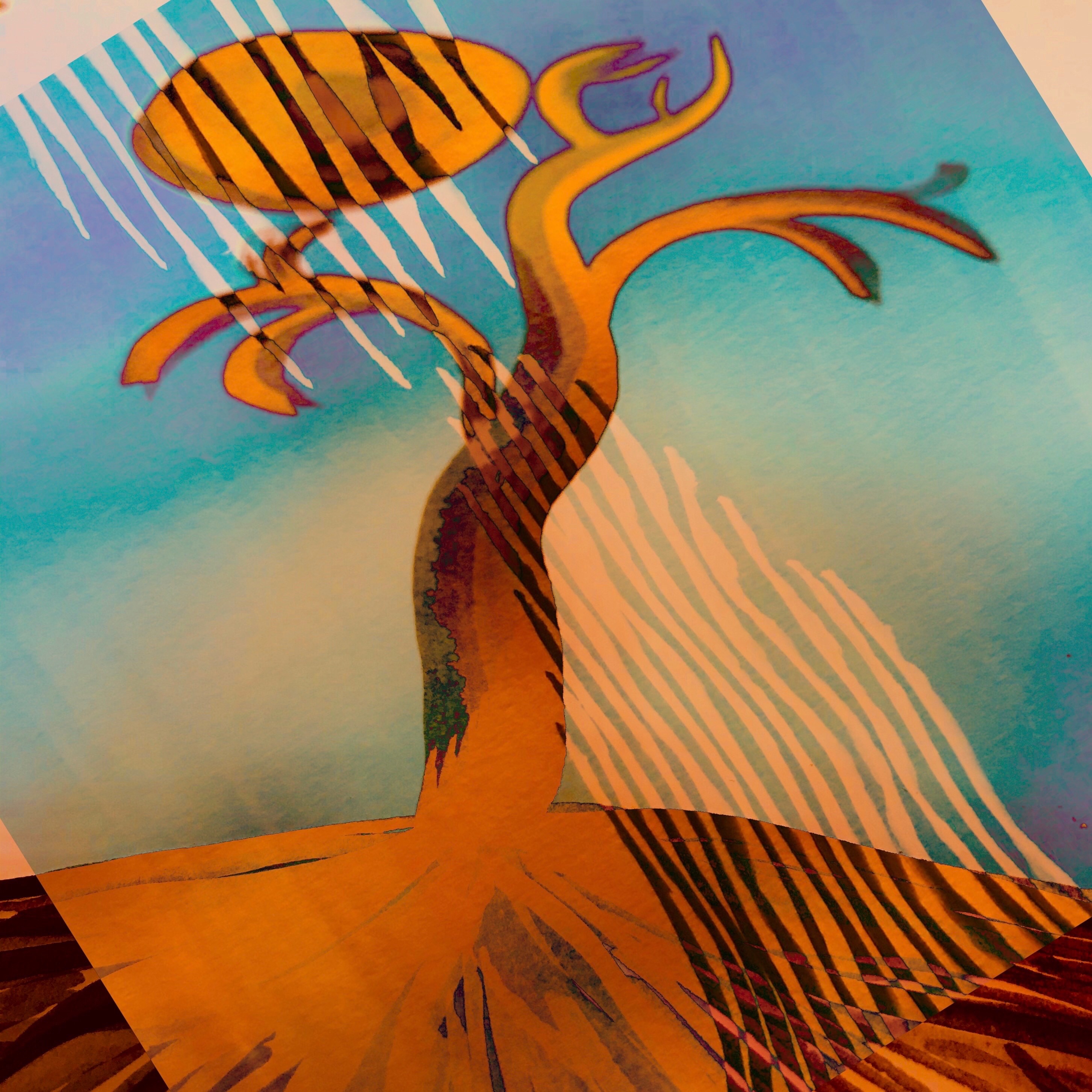
This is true across the album Tree Dream, an eclectic mix of standard garage rock and boundary-pushing noise elements that shuns away tropes in favor of a loud, abrasive and enjoyable mess of unpredictability (with wonderful Twin Peaks-inspired cover art to boot). The album was recorded by the band themselves actually in a garage after COVID-19 blocked them from proper studio time, and before it was eventually mixed by Jack Shirley. “Kill Your Friends” is the third and final single ahead of the album’s release on February 12th and can be streamed below.

INTERVIEW: Liz Bills on Learning to Love and Honoring Her Authentic Self 

Folk-pop singer Liz Bills’ newest alt-pop single, “Wi-Hi,” touches on mental health suffering through social media addiction. Though acknowledging it might not look like what many think addiction looks like, she believes it’s an “attached to our hips addiction.” 

This past Friday, Bills dropped the official music video for “Wi-Hi.” At the end of the video, she removes her makeup, jewelry, and stage clothes, leaving her with a bare face in only undergarments.

“‘Wi-Hi’ is a song about my feelings of disconnect and mounting anxiety in regards to social media. I believe that the reasons behind my own depression, anxiety and disconnection have largely to do with being glued to my cell phone 24/7. My device convinces me that I am not enough, I don’t have enough, and there is always something that I need to do, have or fix. According to Facebook, the world is in disarray. According to Instagram, beautiful successful strangers live lives that don’t look like my own. Ask Google, and it is sensory overload, too much information! Taking off the makeup, hair, jewelry and clothes are metaphors for stripping it all away and coming back home to Liz,” Bills said. 

She continues to discuss mental health topics on her upcoming album (scheduled for a summer release), including loving someone with bipolar disorder (“Come Back Down to Me”) being your authentic self (“Home”) and facing her fear of going on tour (“Train Song”). Bills creates songs that many can relate to, something she believes is important and also keeps her feeling grounded and purposeful.

While her intoxicating stage presence seems effortless, it took her a lot of hard work to get there. When Bills was just eight years old, her father enrolled her in piano lessons. She later taught herself to play guitar, but performed for no one but the inanimate objects scattered around her bedroom. Bills suffered from an eating disorder, addiction and borderline personality disorder to the point of dropping out of school and almost losing her life. It wasn’t until age twenty-four that she began to evaluate where she was headed. 

“I had an epiphany. I had two choices in life: I could choose to live and make music, or I could choose to die and not make music. I chose life and music,” Bills said. 

The next day she posted an ad on Craigslist for a band, and soon after, Analog Heart was born. One of Bills’ most cherished times in her life. 

While her full-bodied and at times raspy vocals reminiscent of decades past draw a crowd, it’s also through her lively stage presence and brightly-colored psychedelic clothing that she stands out. In stark contrast with her stage presence, she surprisingly carries herself with a demure and charming shyness, something she has had to teach herself to love. 

“I have overcome my shyness by accepting that I am shy. By accepting and loving that shy girl and by realizing that it can be a strength and being introverted can be a good thing,” Bills said. 

In accepting herself, she challenges herself as well. By practicing assertiveness, creating boundaries, and living her truth, she combats shyness and shows she can be shy while standing up for herself and being an eye-catching performer. In fact, her extrovertedness was in part triggered by a family member saying she would never be outgoing or a performer.

“I will never forget that conversation and it has ignited a fire in my heart to show the world, that person, and most importantly myself that I can be extroverted, powerful, magnetic, and charismatic,” Bills said. 

And, she is just that. Most prevalent when she covers “Respect,” by Aretha Franklin, Bills moves around the stage, dancing as she goes, having the time of her life. Bills believes she is her true self on stage.

“It’s as if the stage gives me permission to be the person I am not off of the stage. It is as if the stage hypnotizes me. The stage is my power, my meditation, a safe place for me to step into my own power and to transform into a lioness, a goddess, a queen,” Bills contended. “I am a wild warrior woman who wants to express herself creatively, forever. I am a rebel who refuses to give up living a childlike creative lifestyle. I will never stop fighting to keep my heart open and to spread love, acceptance, music, and art.” 

That being said, Bills has become more critical of herself as she transitions into her solo career, she attributes this criticism to her perfectionism, people pleasing ways, low self-esteem and cognitive distortions. 

“I have lost this sense of wonder, silliness and joy for my art. Lately, I’ve been meditating on this, asking the universe: Why? What do I need?” Bills said. “I’ve realized that I need to stop, slow down, put it down, say no, create more boundaries, trust, relax and rest. This is the season of harvest for me, not for creation. And it has taken a long time for me to be okay with that. Relaxing is hard! Feeling good enough without creating or doing all of the time isn’t easy for most of us.”

To do this, she connects with the universe, something that takes many forms, including meditation, therapy, experiencing nature, dancing, relaxing, putting devices down, doing yoga and taking the time to slow down and breathe. 

In being present, she also welcomes the universe.

“Being in the present moment is where the universe is waiting. I am the universe, you are the universe, she is all around us and if we can slow down, we can see, feel, and hear it fully,” Bills muses.

Though sometimes struggling to live in the present, she tries to give herself the compassion she deserves. 

“In order to heal, I continuously remind myself that vulnerability and authenticity are far more important and meaningful than being perfect. I give myself compassion, understanding and love. I realize that I have cognitive distortions and look for the ‘bad’ in my work and within myself, so I’m currently working with a therapist to shed them, become aware of them and redirect my focus,” Bills said. 

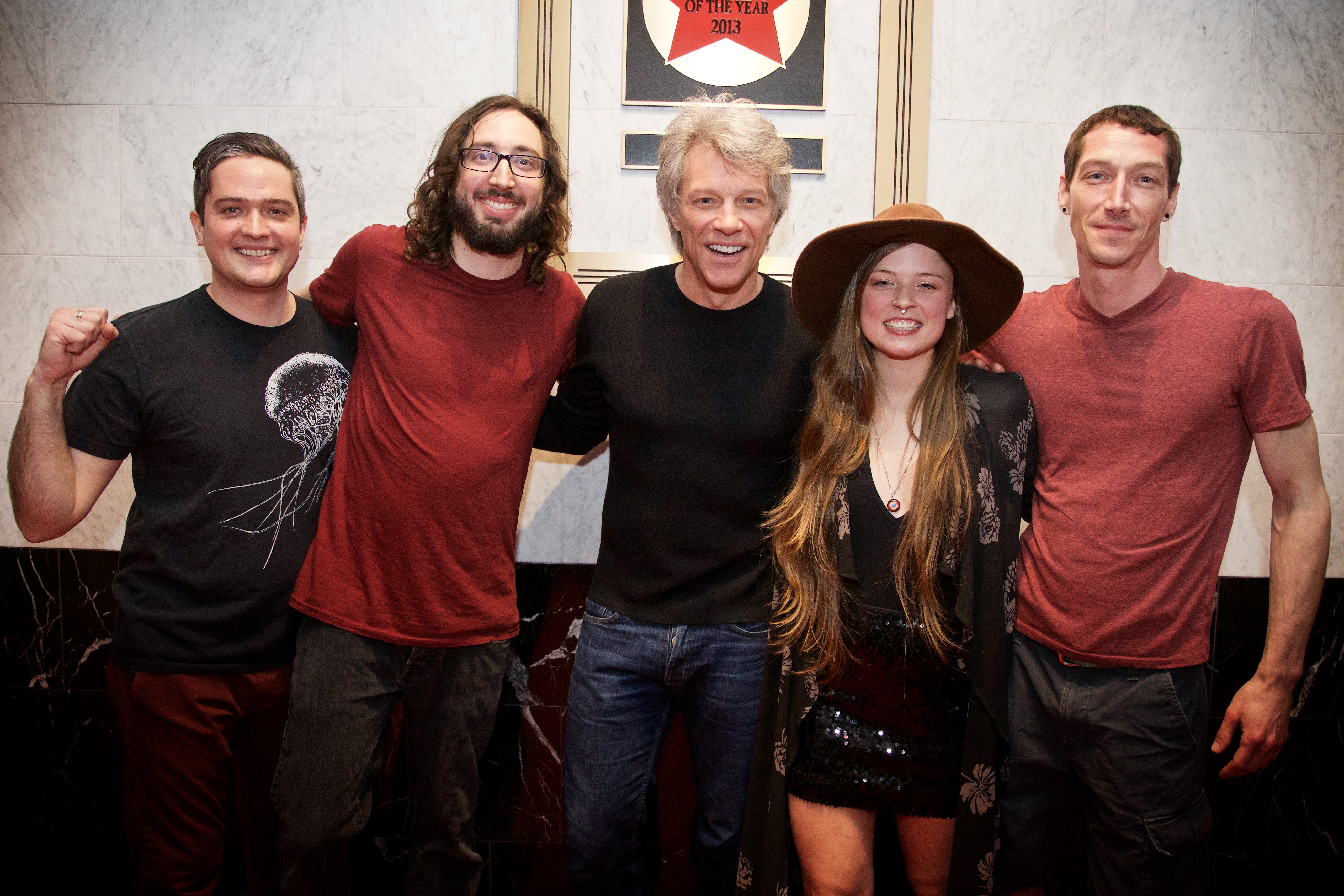
Yet as she struggles, Bills has been carving a place for herself in the music industry in the past ten years by landing the 2020 Boston Music Award Singer/songwriter of the Year nomination,  winning the NEMA Roots Act of the Year in 2019, Rock Act of the Year in 2018, making it to the top 30 female finishers on American Idol in 2013 and most notably, opening for Bon Jovi at Mohegan Sun in 2017.

Although Bills chose life and music and has been living in that truth for over ten years, she hasn’t allowed herself to forget her journey. She shares these truths with her listeners, and hopes it will help others feel less alienated. Ultimately, Bills’ goal is that people will pick up on the messages she included within the video itself, a message we could all benefit from hearing. 

“I hope the message that comes across is that we are all way more similar than we are different, we are all imperfectly human and we all just want to be loved, heard, seen and accepted, especially by the one who stares back at us in the mirror,” Bills said.“You can probably understand better already why I am so passionate about mental health, self-love, and self-empowerment, because I never had any of that before. I have suffered for so long that I just do not want to suffer any longer. I don’t want to feel shame around my mental illness. I don’t want to feel hopeless so instead I choose to feel empowered.”

Watch the video for WiHi below.

INTERVIEW: In Vinyl and Vibration Anna B Savage Releases Single off Common Turn


This year came from darkness and into… more darkness. But when you see artists using their craft to challenge stigma, like UK musician Anna B Savage whose vinyl comes with eco-friendly vibrators, there is a 2021 we can live for. Today Savage releases “Baby Grand,” both the track off upcoming album Common Turn (1/29) and the name of a film she’s working on with Jim Talbot, her “first love.” The song ventures into their past in remembrance of “a night taut with unexpressed emotions, vulnerability, and miscommunication,” heavy themes the full album reckons with. Ahead of its release, we talked about how the album is crafted by self-pleasure, introspection, and bird talk.

Courage defines Savage’s music and entire being. When she performed the song “Corncrakes” for her mother for the first time, her mother said it was “exposing.” Her reply, “Mom, that’s my most lyrically opaque song. You think that’s exposing, sorry about the rest of it!” In describing the five year period that led to this release, she shares, “I lost my sense of self because of this relationship I was in. When I came out of it, I needed to try to write music. I was building myself up from nothing thinking I’ll never write anything good.” In Common Turn there is only good and beauty in her honest words, wrenching sound, and impassioned demeanor.

Selling a vibrator alongside your vinyl tells all. Savage opens up about her history with self-doubt while simultaneously embracing sex positivity. This is a sentiment that we need to keep reminding ourselves is OKAY and NORMAL and ALLOWED. “I love sex toys,” she says. “I love making stuff. I wondered if we could get some lyrics or logo put on them and my label managed. Maybe it will set a trend.” Anna proves there’s absolutely no shame in the sex toy game. While studying abroad at university in Dublin, she called her mom one day and warned, “I’m sorry to do this to you,” directing her mom to her toy drawer. “I want that one and that one and that one and that one!” The songs reflect the tension between the mental and physical self and how we intellectualize feelings, themes Savage is well versed in. “This whole album is about questioning, exploration and trying really fucking hard. Hopefully a vibrator is a good companion for most of these things….”

“To sum it up in two words: wank more.”

Being open about wanking is different than being emotionally open. In this album, Savage is open on both fronts in songs that are relatable and deeply personal. In “Corncrakes,” for example, Savage sings “I don’t know what’s even real / I don’t feel things as keenly as I used to.” Her unwavering voice repeats this line and the instruments pause. The fullness of her deep voice stands its ground against a silent background, taking up rightful space. Re-joined with instruments, the line becomes a lulling mantra that feels so eerily poignant, leading into our therapy-like conversation. I asked Savage, “If you were to name the feelings associated with this song or album, what would those words be?” After a stretched pause in thought, she says, “For ‘Corncrakes’ it’s… uncertainty and desire. For ‘Common Tern,’ I guess hurt.”

Recording Common Turn wrapped up in August 2019, and the space between then and now has offered a period of reflection. “I didn’t realize at the time I was necessarily writing about feeling things emotionally versus intellectually,” she muses. “That has been so separate for me for such a long time. It’s that kind of understanding of the child part of you, rather than the intellectualized part of you. Which is exactly what I’m still trying to do. Come on, emotions! Not come on, I’ve got way too many.”

Savage’s body is a part of storytelling too. Just watch her live performance of “A Common Tern.” Unsurprisingly, Savage says she is quite a physical person. “I’ve understood that people think it’s affected. If I saw someone pulling the faces onstage…” she trails off. In the song’s official video she writhes while singing, “We watched the common terns flying in and stop dead / suspended, and hung by a thread.”


Vulnerability is linked with Savage’s ability to perform like this live. She essentially imitates a Common Tern as she performs, twisting and turning. She’s created this double entendre and shares the allegorical bird background:

“When terns hunt they don’t even flap their wings, they’re not a bird of prey. They look like they’ve been strung up. That’s magic. There’s something to do with the constriction and the release. Especially with common terns it does feel like you’re seeing something that looks free but it’s completely trapped because it’s just dangling from nothing. That is something I’ve realized more getting further away from the song. The symbolism of the bird as being able to leave and fly off. It’s a suspension and release.”

Much of her aviary knowledge comes from the BBC podcast Tweet of the Day and Helen MacDonald’s book H is for Hawk in which the protagonist funnels her grief from her father’s passing through raising a Hawk. Savage recalls her firsthand experience with a bird, when a one flew into her window once and knocked itself out. She held it in her hand thinking, ‘This is unbelievable and so sad because it has died. Then it woke up and flew into my face.”

This pivot of emotions, from seeing a bird’s revival, working with your first love, to self-flagellation, all allowed Savage to realize this album. It’s important that womxn musicians are empowered to explore negative self-talk and positive self-pleasure; it impacts our culture in ways that challenge the status quo. And the quo’s gotta be challenged.

Watch the video for “Baby Grand” below, keep an eye out for the release of Common Turn on 1/29, and don’t miss Savage perform virtually on 1/26 at 4pm at Baby’s All Right – support her and tune in to see her “pulling lots of weird faces” as her voice mesmerizes us in sound and story.

PREMIERE: Otter Finds Inspiration in MA’s Old Growth


How do you measure change when you’re isolated and stationary? When time feels like it’s stopped? We’ve all been joking about how time ceases to exist this year, but we have to acknowledge that so much has changed during this strange standstill, especially the basic things: the ways we communicate, work, relax, even grieve. On Old Growth, Otter’s sophomore triumph that dropped on January 16th, the folk duo likened changes like these to the ones that happen in an old growth forest.

“Change is happening even when you’re standing still in these spaces. On the surface, they are chaotic, overgrown, full of bugs (yep, we suffered from those bugs!). But the system keeps itself in balance,” said Donna Vatnick and Jason Kimball, the Massachusetts locals who make up Otter. 

In fact, the entire album was recorded near the only old growth forest in Massachusetts. Similarly to their debut release, 2019’s Midwinter, Otter transports listeners to a serene setting, using field recordings taken from nature. This time, it sounds like we’re atop the rolling snowy hills in western Massachusetts. Specifically, the band says they were “outside of an old Airbnb farmhouse window in Shelburne Falls (near Greenfield, MA),” when they wrote the majority of the album in December 2019, before COVID-19, mass isolation, the election, and everything that came with those events. 

So, Otter created the LP before they had any idea as to how their lives would change in the next year. Through spring, summer, and fall of 2020, the pair reworked the bones of Old Growth for a post-2020 audience. And we hear their attempt to reflect these subtle, but significant changes to their lives on the release. It’s like the album harnesses the power of all those elusive shifts that we ourselves are just coming to realize we experienced in the last year.

When asked about writing the songs, they said that as things began to drastically change in 2020, they started kneading out the sounds of the songs. “A lot of this we had to do over Zoom. Some of the songs changed a lot in the process, and we kept working them until they felt warm to us in the darker times that came.”

Like, between “Feral” and “Paws,” it’s hard to determine where the songs change– where one song starts and where it ends. And on the album’s title track, that concept is realized through a field recording interview featuring a New Hampshire farmer by the name of George Ewald. But this time, he’s talking about the heart. He says, “Where does the heart stop and the rest of the body begin? It’s all entwined, it’s all connected.”

“That interview is played over a voice memo of a song that was never ‘finished’ that we hoped to call ‘Old Growth,’” Otter said. “This album never really felt like a final ‘product’ to us, partially because it really captures us in process, and grappling with unexpected changes to the process.”

What they ended up with was a set of songs that exude warmth on a snowy night; a soft twinkle of lightness in the dark. But there truly is a balance to them. Where “Babushka” calls to mind acoustic, melodic swells you might hear on a Nick Drake track, the Russian lyrics address the anxiety that is central to Vatnick’s relationship with her aging Russian Jewish grandma– but also Vatnick’s admiration for her grandmother’s life. It sounds like a lullaby for a little spirit. Where we hear her heartbreaking vocals on songs like “Elephant” and “Green,” we’re also listening to lyrics about how to learn and grow with love.

And that balance among the changes was Otter’s mission for Old Growth, and for which old growth forests were the ultimate inspiration, ground zero for infinite changes to happen from all sides, with infinite consequences, all impacting each other. “This is the perspective we live by in our own lives,” they said. “These songs are ‘about’ forests, in that they circle around this idea: our relationships are everything.”

Stream Old Growth below via Bandcamp.