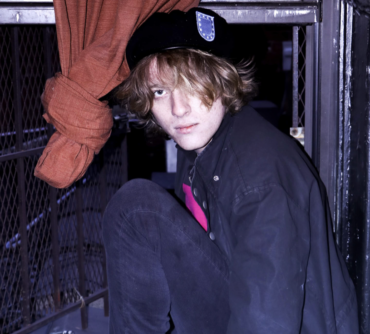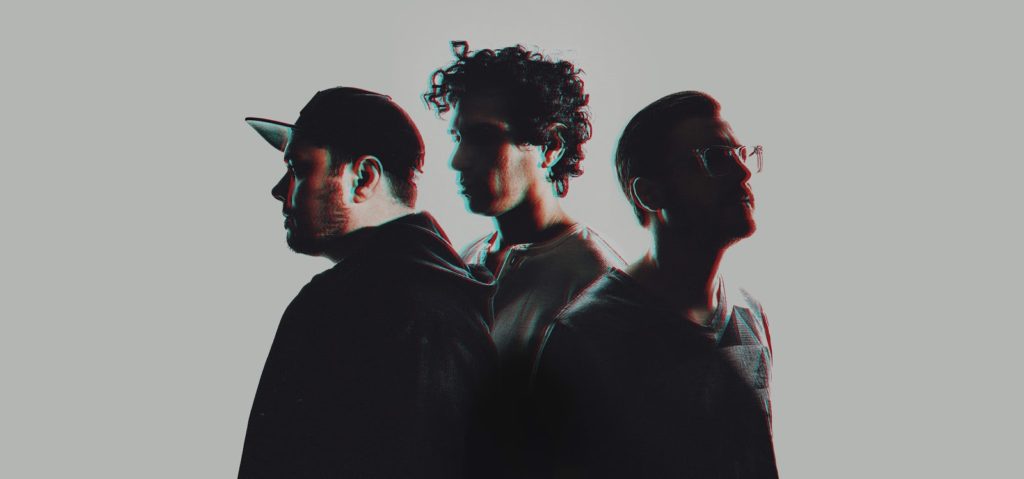
PREMIERE: The Water Cycle Returns with “Disco Night”


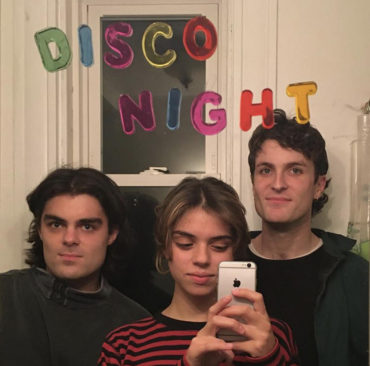
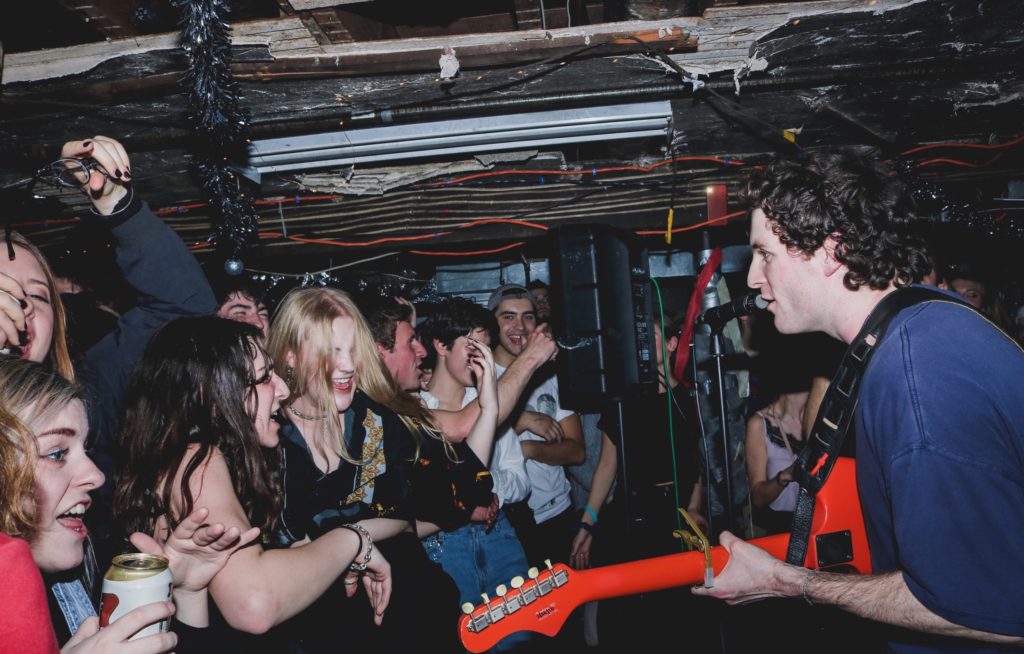
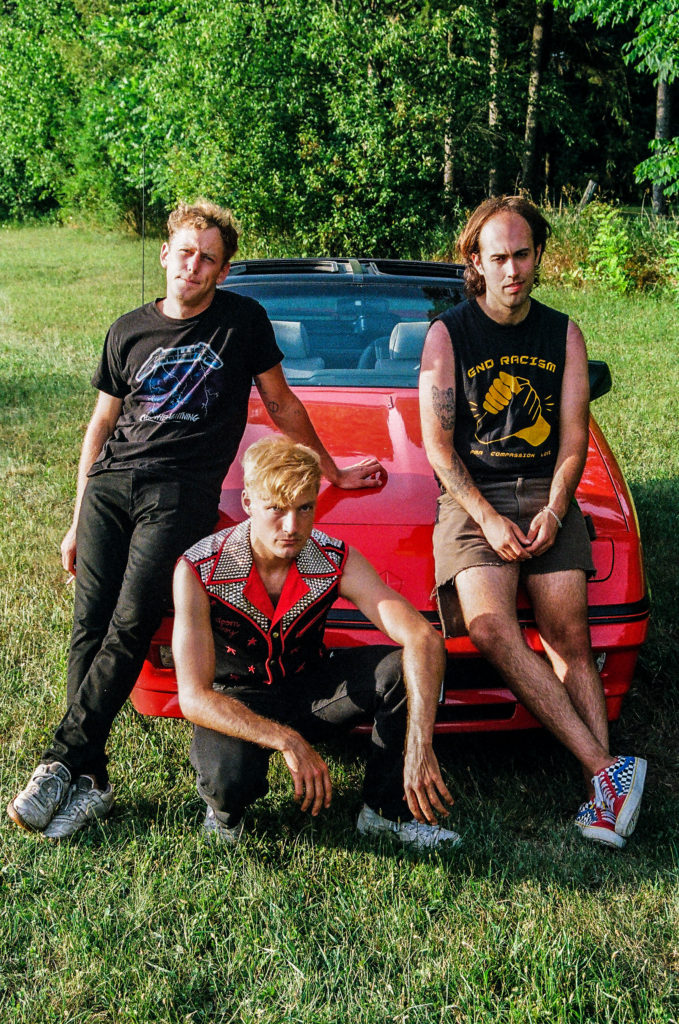
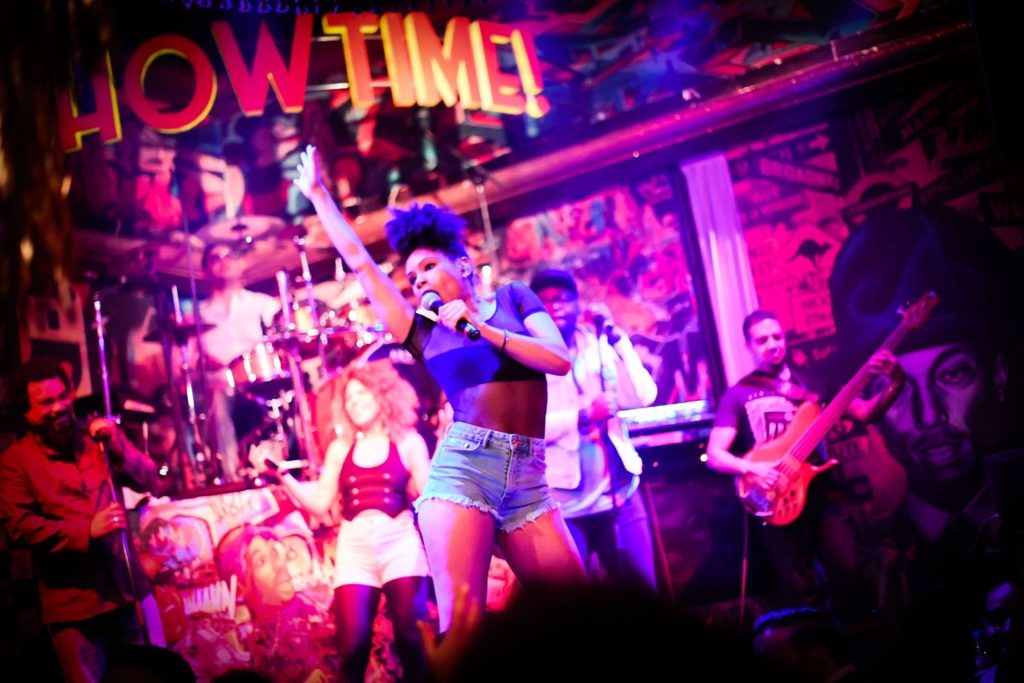
Like the continuous flow of H2O with which they share a name, local garage pop band The Water Cycle have undergone some changes. In the past two years since releasing their last EP The Water Cycle Falls in Love in February of 2018, they swapped bass players, developed their live sound, and evolved both individually and as a whole. This year, they’re back with a warmhearted, head thumper inspired by their favorite nights out in Boston. 

“Disco Night” holds onto the roots of The Water Cycle’s jittery, youthful spirit while showcasing the growth and maturity of a band that’s been honing their craft. A fresh lead single off their forthcoming Dignified and Old EP (a reference to the 1976 Jonathan Richman & The Modern Lovers song of the same name), containing three additional tracks yet to be released. “The existential dread of the song [“Dignified and Old”] is something I really identify with in this moment. I like the contrast between that anxiety and these four goofy love songs,” explains guitarist and lead vocalist Joe Kerwin

Inspired namely by recurring disco parties at Cambridge venue The Sinclair, the song is a celebration of feeling good on the dance floor. “The practice of dancing was always something that stressed me out a lot. I can remember in middle school just walking around the perimeter of the dance, trying to figure out how to blend in,” recalls Kerwin. However, upon discovering the environment at these disco parties, Kerwin became more comfortable and the dancing came naturally. Flash forward almost two years and “Disco Night” the lead single finally arrives. 

Originally planned to be released much sooner, the track underwent several delays after being recorded in January with Alex Bingham of the band Winona Forever. Due to mixing, COVID shutdowns, being separated from their drummer and Kerwin’s brother Jack Kerwin, and sensitivity around releasing during the initial Black Lives Matter protests over the summer, the track found it’s deadline being pushed further and further into the year. Now the band feels the time has not only come, but it’s been waiting. 

“Joe and I are in the same house, but Jack is not… so even though we had the recordings, [isolation] made it nearly impossible to do anything with them for a while. It took sitting down outside to say “we’re doing this. We’re releasing this. The single is called “Disco Night” and we’re doing it,” explains bassist Olivia Mastrosimone. “Where everything is kind of a bummer, “Disco Night” feels nostalgic even though it’s about things that happened only a year and a half ago.” This release marks the first with Mastrosimone appearing as bassist for The Water Cycle after replacing Rob Capodilupo last year. 

At the risk of belaboring the point: this year has been challenging. However there have been many ways that people have found positivity and growth within the difficulty. Living with Sidney Gish for the first few months of quarantine and watching how they work & their focus on making the process an enjoyable one has helped Joe try to approach their songwriting in the same way, something they admit to struggling with. Living with various musicians throughout the past few months has also allowed them to experience live music, even if it’s in a dimly lit basement for an impromptu rehearsal.

With the release of Dignified and Old looming on the horizon, the band plans to do a live stream with virtual venue Baby’s All Right TV with more information coming soon. Listen to “Disco Night” below and stay up to date with The Water Cycle on their Instagram here


Allston Pudding Guest Mix #02: Mizeyesis

 
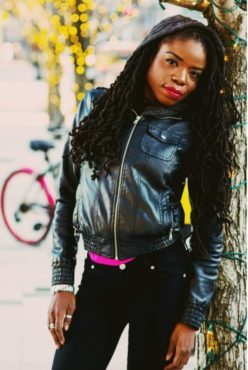
Mizeyesis standing

Photo Courtesy of Mizeyesis

The second in a new monthly series of curated guest mixes from local DJs, producers, and artists comes courtesy of Boston-based Drum and Bass icon Mizeyesis. A DJ/producer Mizeysis is a hugely respected American ambassador to the insular and UK-Centric world of Drum and Bass. She is also the US Manager of DNB Girls, an all-female collective of artists that share a common love of Drum and Bass, and a mainstay on internet radio stations Jungletrain. With recent appearances on the Hospital Records podcast, features in DJ Mag, and releases on prominent Drum and Bass labels like Repertoire, she has been plenty busy in 2020.

Mizeyesis got her start as a raver and dancer in the ‘90s, taking in everything New England hardcore (as in hardcore rave not punk, although she’ll be the first to tell you about the similarities between the two) had to offer before her first forays into DJing and eventually music production in the early 2000s. Now a permanent fixture both here in Boston and in the global dance music universe, we are honored to share with you a flawlessly curated hour of head-spinning breaks and deep bass. Scroll down and press play while reading Mizeyesis go long about the deeply Black roots of Drum and Bass, her cosmic connection to the UK, and why a good sound system makes all the difference.


Allston Pudding: What is the story behind your DJ alias?

Mizeyesis: Mizeyesis is a play on words and Egyptology, and I feel it’s unique to my personality. As DJs we all choose our own names in an effort to not take away from others. It’s a code of respect we all abide by.

AP: What’s the best setting/way to enjoy this mix?

M: In the car, relaxing at home, at the gym, wherever.

AP: Is there any sort of concept to this mix?

M: The experimental. The Amen break. I want to show you the psychedelic and soulful side of jungle and drum and bass. 

AP: Do you have a favorite moment in this mix?

M: All of it LOL!

AP: If you could describe this mix with one adjective or emotion what would it be? Why?

M: Subliminal smoothness. I’m taking you on a ride. I like to bring people through multiple moods in my sets. 

AP: Is there a particular genre or label or tempo that you especially gravitate towards when mixing? Why or why not?

M: No, I’m old school when we didn’t have reliable beat counters to mix. So I just kind of bass the tempo off how I feel rather than seeing the bpm beforehand. Still applies even now. 

AP: What makes a successful DJ mix for home listening to you? What makes one successful in a club type setting?

M: Well a proper DJ mix has two things: great programming and great transitions. For a club setting, one might want to get more hype from the music versus an at home listening session.

I play both. 

AP: Do you have a favorite and/or formative dancefloor memory? What made it so memorable?

M: So many but one that sits in my mind is when I played Rupture the second time in London UK in November of 2018. 

Rupture is a night formed by Double O and Mantra back in 2006. It’s also become a label and collective of folks passionate about jungle, Drum and Bass, bass music, dub and reggae. 

Jungle is British, it’s also heavily Black British, and for years it was labeled as Black music. In 1996 when Drum and Bass– its sister that used more synth and less sampling in its production– started bubbling up it was labeled urban music. I would check out the book called “All Crews” and documentaries like “A London Sumting Dis” on YouTube for a deeper dive. 

Also this music has HEAVY soundsystem influences, I’m talking Jamaican sound system influences, and so that’s why it needs to be played on the right bass heavy system, because of the sub-bass. It can have those, punk, jazz, soul, funk, R&B, and hip-hop influences. Especially in its sample usage and production elements. Of course, this music is beyond race at this point, but we can’t deny its roots, which is something I’m pretty passionate about. 

In any case, I’m an American ambassador and to be asked or respected by UK peers for something they inherently created means a lot. Also, to be accepted by them enough to DJ one of the best jungle nights in the world, is an enormous privilege as well. 

When I DJ’d in 2018, MC Sofi Mari was with me along with Chris Inperspective to my right dancing the hardest I’ve ever seen him move, and that night I received 3 rewind calls. If you don’t know what getting a request to rewind a track means, in jungle and Drum and Bass it’s the ultimate sign of respect. Chris runs Inperspective, a huge underground label out of London and also formed the Black Junglist Alliance earlier this year to help advocate the fair treatment of black people in jungle and Drum and Bass. 

You gotta understand, it’s sort of like when we first had British MCs come into US hip-hop. Slick Rock was accepted, Dizzee Rascal kind of was, but Stormzy and Wiley fully are. With someone like me, they will be a bit harder on me as I’ve lived in the UK, and go over quite a lot. Plus I’m an American with Caribbean roots and tons of family in the UK. But that night my homies over there showed up, getting rewind calls on tracks. I had friends lose their ish, all to my set, it was unbelievable.
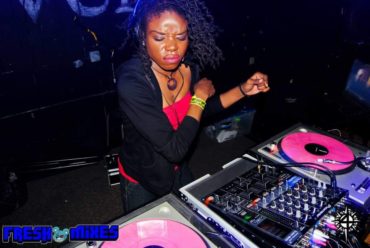
Mizeyesis DJing

Photo Courtesy of Mizeyesis

AP: How would you describe Boston’s dance music scene? What changes would you make (if any)?

M: Boston has two levels, the mainstream and then the underground. The mainstream is what everyone knows and due to that, at times, it feels as though that’s all folks want to know. We have so much going on within our scene, it’s hard to connect with one that sort of pushes us to the side. So we’re out here connecting with like minds. I guess when folks only get into one sound, or one story they get into their niche, but before you dismiss it, try it. Dig deeper, explore the history. I suppose the same can be said for us too, don’t be afraid to explore other sounds.

I can only hope as people connect with DJs, and local dance music communities, they’ll dig deeper and see the levels to it. Just because an artist isn’t connected to Live Nation doesn’t mean they are washed up, irrelevant, or unsuccessful. With dance music you have a network of independent/DIY agents, managers, clubs, and a bigger worldwide scene. Plus right here at home many miss out on some great music.

Elements for instance is a staple not just in Boston but also the international community as well. Lenore started the night with Fox and Kedar back in 1999. Unless there’s major unforeseeable circumstances, the night happens. During the pandemic, Elements has reopened at The Phoenix Landing for a lighter affair headed by Residents, Lenore and Furious weekly. You essentially have one of the premier jungle and Drum and Bass weeklies in this city providing no frills entertainment. 

I DJ’d it last month and regularly attend if I can. Of course right now it’s extremely restricted due to regulations but the night has gone on with headliners from around the world. All the major players in jungle and Drum and Bass come here and I get why: It feels like home. We don’t come out to show off outfits, and dress up like normal clubs. It’s come as you are, and stay for the music. Listen to it and vibe out to it. And as a DJ, That’s what we love. 

Elements wasn’t the first or only jungle and Drum and Bass presence in Boston. There was the Rinse, 4front Records, Terravita, DJ Static, Mista Lex, Bennie B, Trixie and others in the ‘90s and early 2000s that also pushed the sounds. There was even a UK Garage crew Soul Champion that had a weekly. This city, much like NYC where I’m originally from, has a huge Caribbean and UK ancestral influence so it’s natural that ideas get passed through here that are imported. 

You have other MANY DJs and music crews doing extraordinary things weekly in Boston that can use more homegrown support and love. Also, because more money is put into the bigger clubs, people are extremely unaware of the vast talent that make Boston their home unless connected. This city is FULL of major underground djs and producers connected to local, national and international communities which are outstanding. I guess another thing this city could use more of are more unexpected scene collaborations, bigger clubs truly allowing underground crews to throw nights with their brand of talent, so that the creativity, music, interest and support can grow. Also, the interconnections and cross collaborations between music scenes isn’t ever a bad look. 

AP: What inspires you as a DJ? And what do other DJs do that inspires you? 

M: I’m a DJ and I produce music, meaning I also write my own tracks. With my latest release I started last November after a rough breakup while I was living in Chinatown. I wanted the track to pull the emotion out, and I wanted it to deeply reflect the anguish that I felt, and I almost meant it as a release. I guess that’s why it resonates, I’m fighting myself on that track. To me, the sword-like snares emphasize this. 

It’s one of my favorite tracks to date. 

With DJing I’m influenced by the concept of the night and if the crowd contains deep heads, or folks that don’t know this music. I guess it can be similar, lately I’ve been DJing a mix of heavy and soulful feeling music that’s extremely abstract. 

AP: Are you someone that frequent(ed) clubs? Either way, how does that influence the way you DJ?

M: I started going out in the mid ‘90s. Mostly NYC, Connecticut, Springfield, Providence and Boston. Was able to experience the mega clubs of the late ‘90s in NYC and the massive raves that Connecticut, Massachusetts and the rest of New England had to offer in the ’90s.

I started DJing in 2002 and playing out in 2004, mostly at raves in the beginning. I also started a crew and night, Threshold Sound that went from 2004 – 2010 in Hartford. I moved to New Haven in 2014 then came up here to Boston two years ago. While they weren’t as excessive as the late ‘90s raves, they were still there. Mid 2000s club nights blew up and I had residencies. Now I’m in music production, lots of international connections with the UK and music communities In Boston and worldwide.

So I DJ clubs quite a bit, I guess it depends on the theme of the night set by the promoter. Or the vibe I get watching the crowd. It’s made me a more versatile DJ having had many years of experience. Plus I’ve DJ’d on so many formats, so I’ve been around watching the evolution of all of this. 

AP: When you play/create sets do you play with an idea in mind or do you cater to the audience’s energy? How so? 

M: Really depends. I might be inspired by love, or by current life, or just a vibe. Whatever I feel in the moment, I simply translate through sound. 

AP: How does DJing inform the music you produce? Dance music or otherwise.

M: Well I suppose that it’s allowed me to understand beat structure differently than those who don’t DJ. So when I produce a track it’s not so troublesome to find inspiring rhythms. 

I took my first music class with piano lessons at age nine, bass guitar in middle school, and then followed that with a career as a professional dancer when I was in my twenties. Now I’m a DJ and music producer. I would like to think that all of that allows me to understand how people move and maybe also how people chill out.

 
Follow Allston Pudding on Soundcloud.

TRACKLIST

Shiken Hanzo – Kali Ma

Killaklan – The Assasinator

Voytek – Despot

Everything Changes – Snowy Eyes

Dubmonger – Varmits

Overlook – Misty (Law & Wheeler rmx)

Dillinja – Another Dimension

Sully – Checkmate

Foul Play – Cutting Loose

Sully – Run

Doc Scott – Far Away

Dillinja – Sovereign Melody (VIP)

Asend – This Time

Beta 2 & Zero Tolerance – New Dawn

INTERVIEW: The Dirty Nil Get Creative During COVID

Canadian rock band The Dirty Nil are set up for a huge 2021. They’re currently prepping their third album called Fuck Art, set to drop on New Year’s Day, and they’ve just wrapped up a “tour” where they played shows green-screened into actual venues across America and Canada. They’ve released three singles – “Doom Boy,” “Done With Drugs” and “Blunt Force Concussion” – songs that match equally honest lyrics with thrash, pop-punk and straightforward rock influences, respectively. We caught up with frontman Luke Bentham on how the band has spent their year and where they’re going next. 


Allston Pudding: The Dirty Nil, it’s a very carefree mix of styles. I was wondering exactly how you define the band musically, since you don’t really stick to any sort of genre or anything?

Luke Bentham: When people ask me about our band, I just say that we are a rock and roll band. I think in the last few years, people get totally obsessed with titles and specific labels. But we haven’t, we have a very nimble sound that we are proud of, that we can mix things like Slayer and the Beach Boys and the Replacements, and things that we do ourselves but I don’t think other people have done before. I mean, we’re just massive fans of rock and roll and music in general. And I think the thing that separates us from other bands is that we don’t give a shit about being cool. And I think a lot of people do, and that’s their problem. I’m 30 now. I spent a lot of time in my early 20s, hanging out with people that desperately wanted to be cool. And all I’ve ever really seen happen from that is people just live their lives in fear and make minor protracted movements, in hopes that a small group of people will think they’re cool. And I had just an epiphany when I was like, 23, 24, and I said, “fuck all of you.” It doesn’t matter what you guys think I just want to have fun. And so that kind of became the battle cry of our band, which is basically “troll the world.” And our second battle motto is “confuse and amuse.” And that’s what we do, we don’t give a shit about being cool. And I take great pride that I don’t care about that stuff. Because none of my heroes ever did either. That’s what we are, we’re just ourselves, we make music to make ourselves happy. And, you know, we’ve built a team around ourselves to support that and not have to feel pigeonholed into making anything. We made “Master Volume,” which was more of like a classic rock, kind of Queen, Aerosmith inspired thing. But when we wanted to do the next one, we’re like, ‘well, what do we want to do this time?’ And we’re like, “Okay, well, we’ve been listening to a ton of Ride the Lightning and Reign In Blood, but also we like Sancho and Johnny instrumentals, like music from the ’50s and really pretty stuff.” And we made some songs that kind of flirt with thrash metal, but they also are pretty, and I’m super proud of our new record. It’s unlike anything we’ve ever made. And yeah, I’m just feeling on top of the world right now, man.

AP: That’s great. Yeah, like you say, I just turned 30 myself. And I feel completely like, everyone tried to be cool when we were 23. And now some people are, you know, doing nothing.

LB: Yeah, who cares? It doesn’t matter what other people think like. I mean, I only say that just because if there’s any younger people out there listening, like, don’t be paralyzed by these stupid and restricting opinions of others, because they don’t know what the fuck they’re talking about. Do whatever makes you happy. As long as it doesn’t infringe upon the rights of other people, of course, I think that goes without saying. But when it comes to your art, or whatever you make, do something that makes you happy. That’s all I can say. Because you’re the only person at the end of the day that you should aim to please. The love of the Colosseum is a fruitless thing to chase. You just need to make yourself happy. That’s why we all make art, create things to begin with. It’s not for the appreciation of others. It’s to pass the time before we die and feel good about it, you know?

AP: Exactly. Going off your point about, you know, trolling everything, the new record is called Fuck Art. I was wondering just how that title came to be and how it feels kind of perfect for these lawless times we live in right now.

LB: Well, it came about in January of this year, because I had just started taking painting lessons with my mom and my little sister. And we’re like taking up the Community Center in downtown Dundas, Ontario. And, you know, it’s a really older crowd and I kind of discovered that I really liked it. I’m not that good at it, but I really liked painting and I got really into it right off the bat. But there was an older group of people. And I got to say that I always had this myth in my mind that older people, once you reach a certain age, you get your shit together and you suck it up, and you’re no longer like a whiner. That’s not the case. I can confirm that’s not what happens for a lot of people. So there was a couple old white men whiner dudes. One time this guy just kept whining about his painting, [how it] doesn’t look like the teacher’s, and eventually he put his brush down and said ‘fuck art.’ And he’s about 72 years old, probably. And I just thought it was the funniest thing. The next night, we played one of our only real life shows the entire year, and I told the guys and everyone howled laughing, we all looked at each other with this crazy look. “Fuck art.” So it was kind of a dare. And as I said, it matches our battle cry of “troll the world.” “Confuse and amuse.” But, ultimately, through the lens of our band, it’s a very jubilant, happy title. Some other bands, if they don’t have our amazing sense of humor, it’s going to look like pure nihilism. And obviously, there’s a hint of nihilism to it, but to me it’s a very celebratory title. You can’t say [it] without smiling, even my fucking senile grandmother can’t say it without smiling. So it was just a perfect battle flag. And, you know, we had to kind of fight a couple battles with our team. You know, our label supported us though, and even our US radio team supported us, which was amazing. But we had to kind of explain this whole thing to them also. And, you know, once the whole world started kind of shut down, it became the perfect title, because who cares? Not in who cares in a nihilistic way, but now is the time for total artistic freedom, because there are no rules, you can do anything you want. A lot of people are complaining about the music industry right now. And I agree, there’s a lot of things to complain about. It’s not good in terms of live music. But in terms of, like, expression, now’s an incredible time to be an artist, I think, because all of these old systems are falling apart. As they should, because they suck. And so you can truly make the art you want, for better and for worse. And we are really running with that opportunity with knives in our hands.

AP: Yeah, so bringing up, like, everything going on in the world, has COVID affected the album recording or anything?

LB: I mean, COVID shut down our recording sessions, just after we had finished the bass and the drums. So we did bass and drums, and then our producer John Goodmanson had to fly back to Seattle. And basically the studio told me, “alright, look, you have two days to do all the guitars and John’s gonna be gone so you just have to do it with the engineers.” So that was a really interesting learning experience. And I really enjoyed that. That was very stressful, but super fun at the same time. Two 15 or 16 hour days of recording guitar straight, which was amazing. And then we did the vocals in a shed over April, and sent the vocals out to John in Seattle, and he mixed them. So yeah, COVID faced us with the option of, like, ‘well, we can pause this and return to it. Or you can follow through with it and get it done by any means necessary.’ And that’s always been our style. You know, we’re not like an idealistic DIY band but we are a very work-focused band, we’re very focused on getting the biscuit in the basket, we don’t let anything stop us. So I mean, on that note, I’m kind of surprised and, dare I say, I have a little bit of a criticism towards some of my peers these days. I see a serious lack of hustle and imagination right now. I just thought I’d see more innovative things happening right now. So if there’s anybody out there listening who’s working on their art, I would urge them to try some things. And it doesn’t matter if you fail, but just try. Don’t sit back and wait for this to blow over. I think that’s the worst strategy you could possibly have. Just try something. Even though this year sucks, I’m busy all the time. So I don’t have time to consider the touring aspect. Sometimes it eats at me, or like, I wish I was playing shows, of course. But I don’t know, we’re just so busy, that you just got to find a thing, you know. COVID affected our record in the actual recording process, but not that badly. Like we just said, “Alright, well, we’ll do it in a shed if we have to.” And we did.

AP: So this unique tour you’re doing now, the Dancing 2 Thrash tour, I was wondering how that came about. How important do you feel it is to find something like that to stand out during all of this?

LB: I’ve spent most of my 20s on the road on tour. And, you know, in those travels, we’ve made a lot of friends that own venues and work at venues, and they’re really hurting right now, because they can’t have any shows. Truth be told, I love touring in Europe, I love touring in Canada, but my favorite place is just touring the States, period. And we just said, like, “what about if you guys host the ‘event’,” in air quotes, we’ll say we’re playing there, you send us photos of the venue, and we’ll green screen it. So it’s kind of like we’re in there, but it’s also kind of like the Tim and Eric show. Like it’s going to be absurd. And we’ll split the money with the venues so that it gives us something both to do. So the venues were super enthusiastic about it. We basically kind of looked back through all of our Twitter and Instagram posts where we would ask people what songs they want to hear and what cities [they wanted us to play in], and we took that and we applied those to the shows and tried to cater those shows to the cities in a real way, in a setlist way. And the banter as well. When it was first presented to me, by our manager, it seemed like a bit of a silly idea. I was kind of like, how is this gonna work? And [as] we talked about it more, like, it sounds great. I don’t know, it sounds great. Nobody’s doing it. And here we are. And that just ties back into what I was saying before. I’m kind of surprised by the lack of imagination happening right now. And I think that people are still wrapping their heads around the idea that this is going to last a while. And so the only reason why I’m saying this is because I would love to see more people doing more things. As much as it feels good kind of leading our field in certain ways, I’d like to see some other people making strides and writing the new book on how this is going to work for the next while. I want to see some more impressive stuff happening by people that are smarter than me, you know?

AP: Exactly. Yeah, it’s great that others can livestream from home and all that, but like you say, the venues have been hurting. So, yeah, it’s a great, unique idea.

LB: Let’s think of that, let’s think of the venues is what I’m saying – and the crew too, let’s not forget the crew, the reason why these shows happen. So you know, more efforts. It’s great seeing any kind of efforts by bands to support their crew. That’s all I’m advocating is more creative ways to interact with this new, strange landscape. And rather than just kind of like non-imaginative, you know, acoustic guitar in a living room bullshit. 

AP: And because I have to ask – if tomorrow morning everything completely goes back to normal, world is repaired – what is the first thing you or the band would do?

LB: Book a full US tour. We miss you guys a lot. I miss your gas station coffees. I miss your interstate highways. I miss your cheap local beers, I just miss it all, man, I miss it all. I miss you guys. And we’re very excited to reunite physically whenever possible. But until then we have our Dancing 2 Thrash tour. Support your local venue, if there’s a nearby one. We’ve got many more surprises before the year’s over.

AP: Awesome. Well, we look forward to seeing you in person again whenever we can.

LB: Awesome!


Fuck Art is set to be released on Jaunary 1st, 2021, and is sure to be an eclectic mix of the band’s signature tongue-in-cheek humor and rock anthems. Their mostly-virtual tour concluded on November 5th “in” Toronto “at” the Phoenix Concert Theatre. If you’re able, please support your local venues.

PREVIEW: Octave of Light with David Ibbett and Beth Sterling

Composer David Ibbett and Soprano Beth Sterling

For someone to say that they aren’t fascinated by Outer Space, I would argue that they simply haven’t examined it enough. Endlessly vast, continuously sprawling and filled with wonderment unknown. Ever since man decided to look past the sky, the World has only appeared smaller to us living on it. For many scientists and stargazers alike, it has also inspired them to know more.

Many methods have been deployed in mankind’s quest for intergalactic answers to extra-terrestrial questions: Space shuttles, satellites, astronaut primates, and really really really powerful telescopes. However even the most powerful of telescopes don’t stand a chance at recognizing that which exists at the edges of our universe. For those matters, we must turn to our other senses for recognition. 

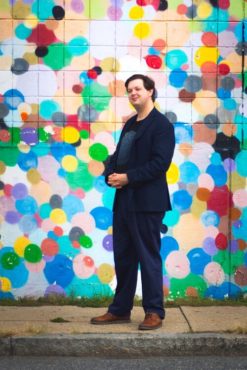
This was the case for classical composer and scientist at heart, David Ibbett (pictured left). Born with a chemist for a father, Ibbett was surrounded by science all his life. While developing his skill and appreciation for music, the pursuits of science were never far behind. Now a classically trained composer, Ibbett has created the Multiverse Series. Touching on a wide range of topics, all grounded in the world of science, from black holes, polymers, the health of our coral reefs and the patterns in nature. The latest installment, Octave of Light, reaches farther than the rest, finding music in Exoplanets, or planets outside of our solar system. 

Having used this technique for other Multiverse installments in the past, Ibbett, along with Roy Gould of the Harvard-Smithsonian Center for Astrophysics, have “sonified” (turning light to sound) various shadows casted by Exoplanets across their parent star. “Even a little dot is enough to separate out colors but the next problem is those colors are outside of what we can see… but we can listen to them instead. The ear can take in a lot more frequencies than the eye,” explains Ibbett. Using signals retrieved from these distant regions of space, through sonification, “we can learn more about the color of these planets and that tells us what they’re made of, what’s in the atmosphere, clues that they could harbor life.”

Now Ibbett must take these light frequencies and apply them to corresponding musical notes. “They have to be shifted down to be audible… around 30-40 octaves. But the relationship between the notes is preserved. There’s a real story that these planets and elements tell.” Such as matching notes to the chemical makeup of methane and oxygen (both of which David played for me during our phone call to reveal beautiful melodies) that allows scientists to see shifts & patterns in those signals, all possibly leading to more signs of life. David does stop to mention how “you can get the technique down but that doesn’t mean [what comes out] is going to sound good. And it has to sound good, it has to have some meaning or feelings. Sometimes I have to mull over it for weeks.” 

Work on Octave of Light began around two years ago with a discussion between Ibbett and Roy Gould, which was the main inspiration for pursuing this project. David then began composing two of the works that appear on the album, before there were any plans to even make an album. While continuing to teach at the Yamaha Music School of Boston, in Lexington, Ibbett approached fellow teacher and Soprano Beth Sterling (pictured left) in Spring of 2019 to sample vocals on what would later become the opening track “Water Romanza”; a sprawling and gorgeous introduction to the world Ibbett has created, bolstered by Sterling’s impressive vocal. “A few weeks after recording, [David and I] talked about doing a whole song cycle for Octave of Light. As it developed David asked me to come on as an Associate Producer,” explains Sterling. “In October [2019] we had a concert preview for two of the songs “Water Romanza” and “Wanderers”, and again in January. By February we started a Kickstarter campaign to fund the rest of production which was done by early March.” One week later: COVID-19 shutdowns began to take effect.

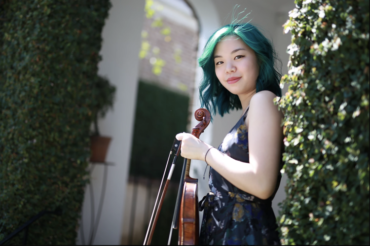
In the following months, production was forced to move remote, with Ibbett, Sterling and violinist Amelia Sie (pictured right) sending each other fragments of songs for Ibbett to piece together at his home studio. In July, Sterling joined Ibbett in a socially distanced studio setup at his home to finish production. With Ibbett manning the controls in one room, and Sterling singing unmasked in another, the two would communicate through a headset. “It’s supposed to be a live album, but I can’t get all of us in the same room,” David remarks. However by September the album was complete. 

Although no one involved would have said these were ideal conditions to rehearse/record under, there were some upsides to the isolation. Sterling adds, “we had a couple of virtual performances including one with the Museum of Science earlier this year that normally would not have come about.” Continuing to teach at the Yamaha School, Tufts University and her own Studio classes, Sterling also remarked how the remote learning model has allowed for more students from farther distances to enroll in her classes. 

With the album complete and a release date in sight, the team was forced to shift their plans for a live premiere due to ongoing restrictions. Continuing to work with the Museum of Science, the crew have devised a combination live-stream/pre-recorded event on this Thursday, November 12th to showcase the album, visuals by the Charles Hayden Planetarium and discussions by Ibbett and the team. Another first in isolation saw Sterling filming on a green screen at the museum, footage from which will be used during the stream. Rounding out the event will be Dr. Clara Sousa-Silva delivering an update on the search for life on Venus following the recent discovery of phosphine within the planet’s atmosphere. 

“I’m hoping I can tempt people into science through sound to want to learn more. I think there should be more science artists. Science seems kind of inaccessible, but if you ever ask a scientist they’re very happy to tell you all about it, to try to get you inspired.” David continues, “it’s the way science is taught in a kind of dry and technical way, but it’s all real, it’s all about the world as it is, we should all feel like we’re a part of this search. Artists want to communicate with the world about what’s important and to me, discovery is important. Knowing more about our place in the world. It’s an amazing time to be alive and we wanted to celebrate that through music, the universal language. It doesn’t matter where you’re from, music can reach you.”

Check out an exclusive preview of the album below!


Octave of Light premieres on Thursday, November 12th at 7 pm online. Reserve your free ticket for Octave of Light through the Museum of Science here. Check out more work in the Multiverse Series hereFind more information about Beth Sterling here.

JJ Gonson and Kill Rock Stars Celebrate 25 years of Elliott Smith

In July of 1995, when Elliott Smith was released through Kill Rock Stars, it was widely ignored by both the press and the public. Coming from a label known for the raucous sounds of its Riot Grrl and indie rock roster, it wasn’t a huge surprise. Smith’s self-titled album was raw yet delicately in your face. His whispered vocals and acoustic guitar begged for multiple listens. 

Though the press was behind the buzz on the album, it slowly grew. Larger acts like Fugazi and the Beastie Boys mentioned Elliott Smith in interviews and soon bands like Sebadoh were taking him on tour. It set into motion the groundwork for 1997’s Either/Or, which went on to be a defining record of the decade. 

“I’ve always felt like this record is under-appreciated,” says Kill Rock Stars founder Slim Moon. “A lot of people overlook Elliott’s first two records—they think of them as a prelude to the bigger albums that followed—but when you go back, you discover they’re really great. This is Elliott’s most fragile and delicate music, and we wanted to honor that with a special and beautiful package.”

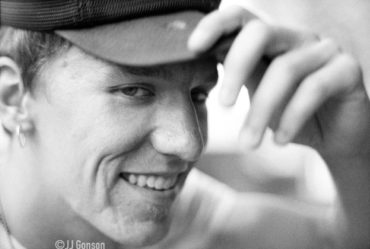
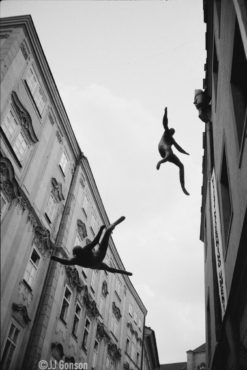
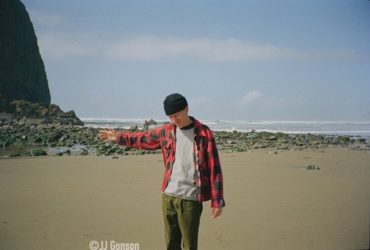
In honor of the the twenty-fifth anniversary of Elliott Smith, Kill Rock Stars has released a deluxe merchandise package featuring a new remastering of the record, a bonus disc of the earliest known documentation of Smith performing, and a 52-page coffee table book featuring handwritten lyrics, notes from friends, and never-before-seen photographs by JJ Gonson, longtime friend of Smith’s and the photographer behind the iconic artwork of Elliot Smith and his first album Roman Candle

Photo By JJ Gonson

“This project has shone a light on the deep joy that this record brings to so many people. I’m honored to be a part of it all, still, after all these years.” Says Gonson. 

Gonson’s photography has been published in books including “Torment Saint: a Biography of Elliott Smith”, “Cobain Unseen” and “Cobain on Cobain,” various fanzines such as xXx and Suburban Voice, and magazines like Rolling Stone, Mojo, Q and Spin. Her iconic photos are on display through the Morrison Hotel Gallery and also available for purchase on her website. 

As COVID-19 continues to thwart all hopes of live music and normalcy, Gonson has stayed as one of the hardest working photographers, chefs, and rockstars in the business. Scheming, not only with Kill Rock Stars to release this definitive homage to one of the generation’s most revered artists, but also at the helm of the ONCE Virtual Venue, and slinging Mac and Cheese at Club Mac through her catering business Cuisine en Locale

The remastering process was done by producer/engineer and official archivist for the Smith family, Larry Crane, who searched tirelessly through files, reels, cassettes, and DAT tapes to get as close to the first-generation mixes as possible. 

Elliott Smith at the Beach

Photo By JJ Gonson

The bonus CD features the earliest known recording of Smith performing as a solo act from September 17, 1994 at Portland, OR’s café and “art salon” Umbra Penumbra. The show, recorded on cassette by Casey Crynes and digitally transferred by Crane, shaped up to be a historic moment in Elliott’s career, as he struggled with his musical identity as both a solo artist and a rocker in Heatmiser

The Umbra Penumbra show gives a sense of the contrast between Smith’s live and studio approaches. “He was goofier on stage, making jokes and messing with his own words,” says Gonson. “I got to watch these songs go through different versions. He worked the words very carefully—he was very admiring of Joni Mitchell and how she wrote. So it was fun, you’d hear a song and then it would change.” 

The deluxe release is sure to satisfy the hunger of Smith’s notoriously dedicated fans. “This has always been my favorite record,” says Moon. “I know people tend to like a band’s period when we first fall in love with them, and this is the Elliott Smith I first discovered. But I also think the greatest thing in the world is someone who can deliver with just voice, an instrument, and songs. It’s the hardest thing to do, and the most engaging when it’s done well.” 

You can listen to the remastered tracks here and purchase the deluxe Elliott Smith package here


Interview: Where In The World Is Niki Darling?

niki darling

Photo Courtesy of Niki Darling

The traveling bard: it’s a classic trope of the singer-songwriter personality, a performer who journeys beyond borders, across oceans and deserts and all manner of landscapes, to share their music on a global scale. Along the way, they meet a plethora of new faces, expanding their network with a host of folks from all kinds of backgrounds. 

That’s the life Niki Darling has been living the past few years. A born-and-raised New Yorker, she’s happy to credit her home city for helping shape her. “It has definitely given me the fearlessness and strength I need to be a musician, which is a career that will test your mind, body, and soul time and time again.” She’s been performing since high school, when she sang in girl groups with her sister, attended performing arts school in Manhattan, performed at amateur night at Showtime at the Apollo, and sang with the band Pants Velour.  

But a few years ago, Niki Darling decided she wanted to escape the harsh winter of the Northeast, a relatable feeling as another cold, dark winter approaches us right now. But after that initial winter out of her bubble, she kept finding more opportunities to travel and broaden her horizons. “I think seeing that there was another world outside of NYC and a different (not necessarily better) way of living [was what] I needed at the time. I lived in NYC my whole life and I couldn’t stay in that little bubble if I wanted to grow and truly experience life and reach my full potential.” 

niki darling

Photo Courtesy of Niki Darling

Niki is quick to list a slew of iconic pop stars who influenced her sound: Tina Turner, Lady Gaga, and Prince get first mention; but Niki also cites Stevie Nicks and the way she fit into the harmonic structure of Fleetwood Mac as a “timeless” influence; Janet Jackson’s 1997 hit-loaded The Velvet Rope, Cree Summer, and K-Pop as a genre also inform her sound in their own unique ways. 

At various stops along her journey, she’s been able to connect with a slew of talented artists: performers, producers, all manner of people who interact with music directly to try to create something new. This has led to collaborations with artists who have tried their hand at crafting scintillating remixes of Darling’s songs. “I’ve been very fortunate enough to work with some amazingly talented producers in the dance world. Most of them found me on social media actually, and I was able to connect with other producers after working on various popular tech house records.” On top of that, she’s had the chance to link up in person with a handful of these collaborators: “I was able to connect with Maxinne in Ibiza and then [we reconnected] in London, where we actually got the opportunity to do an impromptu performance our song ‘Something In Our Life’ together.”

As is the case with those who spend a significant amount of time traveling and meeting people, Niki comes prepared with a seemingly-endless stream of anecdotes that add flair to her adventures. “I went to an event Toolroom records was having (I wasn’t scheduled to perform). After I hung out and Maxinne had already spun an earlier set but someone fell ill and they asked her to close out the event. We decided it would be cool to perform our song together but the time would be cutting it close as I was an hour away from my hotel and airport. I performed with her at around 3:30am to a packed club and jetted out to my hotel to get my bag and went straight to the airport just barely making my flight.” A close call like that would no doubt be nerve-racking for some, but that’s all part of possessing an adventurous spirit: live now, and worry about the details later. 

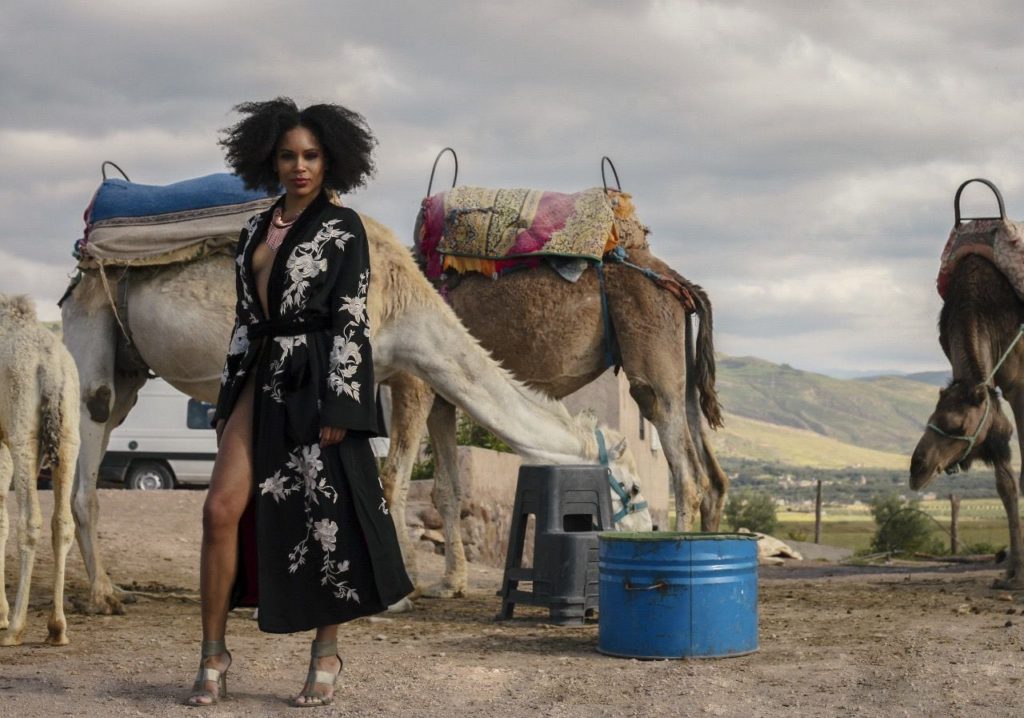
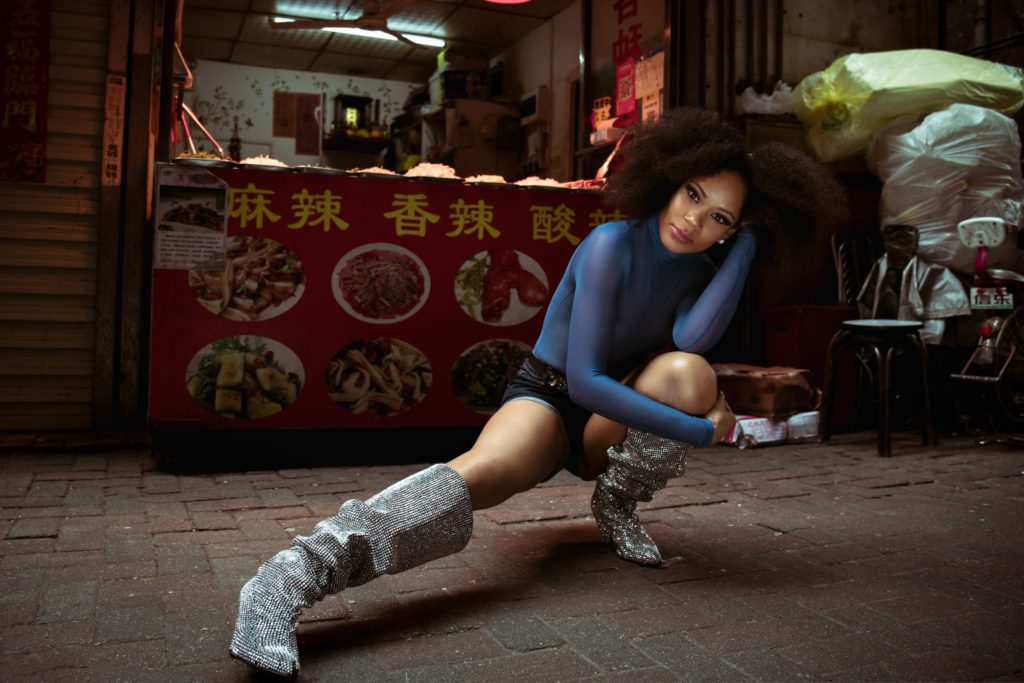
The music video for her single “Take You There” operates as a showcase of her globetrotting lifestyle of the past few years. It features footage taken from her various stops around the world, places like the Sahara near Marrakech, London, and Hong Kong. But it doesn’t even begin to scratch the surface of all the locales she’s got stamped into her passport. “I lived in Bangkok for 3 months and also spent some time in Bali. I’ve also been to Istanbul, the Dominican Republic, the Bahamas, Portugal, Spain, Ireland, Amsterdam, and France.” While she’s not quick to choose favorites, she does note an affinity for Southeast Asia, especially the vibe around Bangkok. “It’s my favorite city, because it matches the energy and feel of NYC, but the weather is warm. I hate winter.”

She details experiences in other countries too, praising the warm, welcoming reception she felt at a Diwali celebration in Bali (“[I went] with a local family they took me to two of there temples. I was the only outsider amongst them and they welcomed me like I was family”). She talks about how humbled she felt experiencing the vastness of the Sahara (“You feel so small when you are there. It makes you appreciate everything you have”). Then, she lists some of the venues she’s had the good fortune to perform at in these locales. There were Sofar Sound events in Beijing and Hong Kong; a residency at the Rosewood Hotel in Beijing; Studio 338 and Sheesh Restaurant in London; the Epicurien in Marrakech (“the number one club in Morocco!”), plus several others, also adding a impressive roster of fellow musicians she had the opportunity to perform with. 

Of course, when world events take certain turns, there can be an air of uncertainty that falls on a life lived on the road, bringing with it a harsh reminder of the existence of borders. This was the position Niki found herself in earlier in 2020 when the COVID-19 pandemic forced the world to enter a state of quarantine. Naturally, this changed Niki’s plans and left her stuck abroad in the UK. “I was upset because my residency and shows got cancelled and it was my first tour in London.” But as is often the case with closed doors and open windows, she was able to take some advantage of the situation and find an opportunity to boost her profile. “I was staying with a lovely family in Essex and someone they knew connected her with the BBC network who were doing a piece on unusual lockdown scenarios. So they interviewed us for the morning show and then also did a follow up online and I was on the local radio in Essex.”

niki darling

Photo Courtesy of Niki Darling

But while she recognizes that positive outcome, her London quarantine wasn’t without problems. “I suffer from depression so all the stress hit me hard but I am very grateful for all I have,” she explains, taking stock of the support she received from family and friends. “I try to put all of that emotion back into my music. It really helps me put everything into perspective especially when I’m feeling hopeless or down.” Thankfully, this rut didn’t prevent her from continuing to create. “I wrote a song when I was quarantined in London called  ‘Run’ that will be on my debut album that encompasses how I was/am feeling. I’ve been back stateside for a few months now working on finishing my album, and spending time with my family.”Stream some of Niki’s singles (and remixes of her tracks) via Soundcloud, and keep an eye out for her debut album! You can follow her on Facebook and Instagram under the handle @NikiDarlingOfficial. 

With Election Day Looming, Billy Dean Thomas Aims for Hope and Joy

Photo courtesy of the artist

Billy Dean Thomas raps like they have something to prove. In the past, they were trying to showcase their technical skills — like spitting verses quickly or fine-tuning the production of a track — but for their latest EP For Better or Worse (out now), they decided to let their songwriting shine. Hearing how they wrote hooks on the first take sounds like sheer magic, but it’s clearly the culmination of years of honing their craft, plus they finally allowed themself to be raw and vulnerable with their lyrics. 

This interview has been edited for length and clarity. 


ALLSTON PUDDING: As someone who’s been rapping since you were 10, how did music evolve from a hobby to something you wanted to pursue professionally?
BILLY DEAN THOMAS: For me, it started out as articulating my frustrations. I didn’t talk much as a young person until I started going to therapy. I had struggles with family and the school system, so then I started playing music— I was a drummer originally. Then as I got older (in high school), I started to transition to more spoken word and focusing on the writing of it.

AP: How did you craft your sound to the kind of hip hop artist that you are today?
BDT: In the beginning, I spent a lot of time on music production, more of the day-to-day functions in the production realm. The sound comes out more naturally while I’m producing, molding in my love for the production beats and instrumentation, and the final sprinkle on top is the lyrics. The vocals become a tie-in piece to finish up the track. In that phase of my life, my influences were primarily producers and songwriters. 

This time [with For Better or Worse] is special. I just let go for half of the project. I stopped thinking so much. Over the last three years especially, I’ve been trying to prove myself on tracks: trying to showcase how fast I can rap, trying to show all of my skills, but sometimes that doesn’t make for the best music. I tried to practice being an overall songwriter as a whole — what’s going to make me feel good at the end result of the record? 

“I tried to practice being an overall songwriter as a whole — what’s going to make me feel good at the end result of the record?”

I’ve been leaning into feeling as opposed to logistics, playing the beats and pushing “record” during the first time hearing the instrumentals, which is totally different from how I normally do it — I would spend 3-5 days or a week listening to beats first and trying to craft a concept. The first take ended up being the entire hook. I was feeling the emotions the first time I heard the music, which was pretty bizarre when I was doing it. I was surprised too while I was freestyling to go with the music and mumbling and “comping” — literally, to have this gibberish and it’s emoting something — those moments are really telling. My subconscious is saying words I’m not aware of.

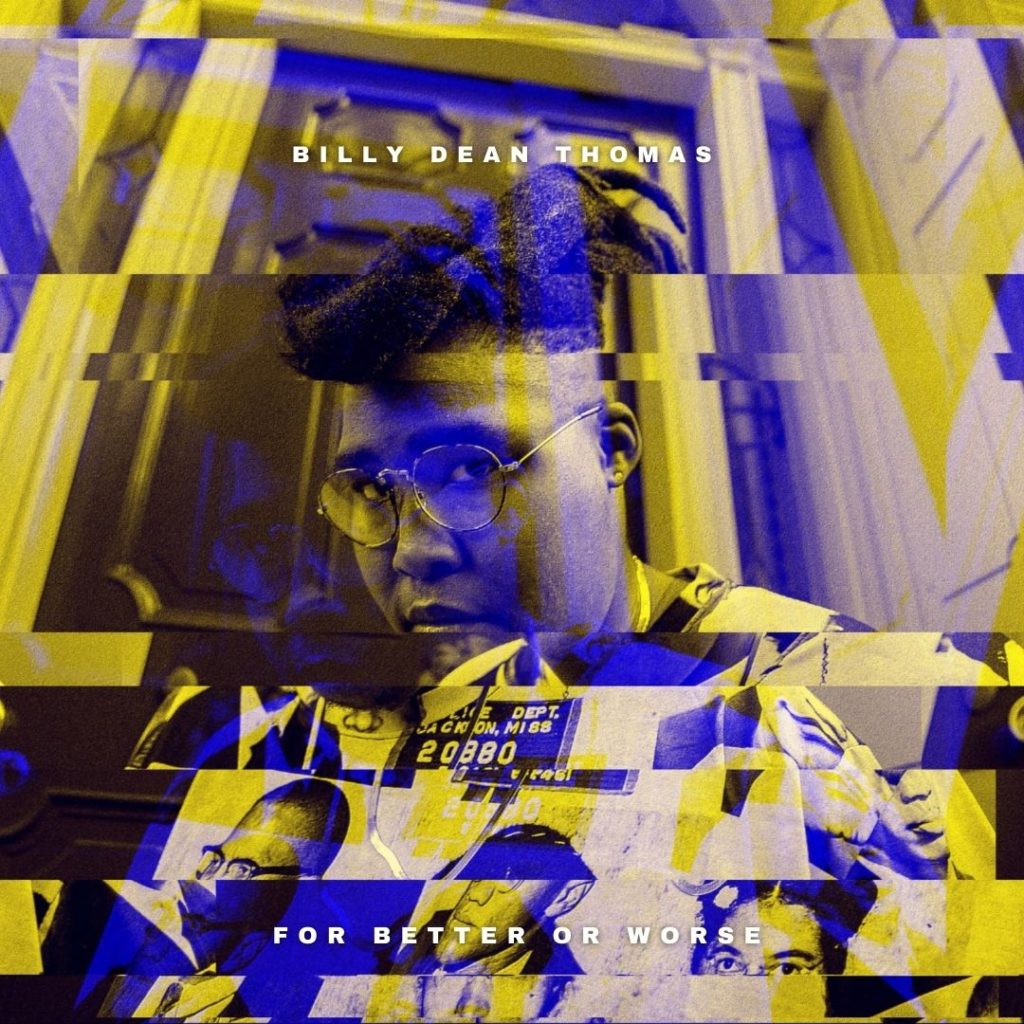
For Better or Worse EP

AP: After graduating college, why did you decide to move to Boston instead of returning back to New York City? How did that decision influence the direction of your career?
BDT: The reason my raps become so fast is because I’m channeling my anxiety — I’m panicking on a beat. For me, New York is really overwhelming. Gentrification was already creeping up when I left. I have a lot of family still there but I couldn’t imagine paying rent there as an adult, I couldn’t begin that process of walking down the street I have to pay for. Moving to Northampton, being at Smith, was eye-opening. I could calm down and hear myself think. I was appreciating the morning dew and the silence. Being able to have that serenity, I didn’t want to let that go. Northampton is super queer and it was my new home, so the closest city nearby was Boston. 

“The reason my raps become so fast is because I’m channeling my anxiety — I’m panicking on a beat.”

My first band was New England-based and one of my bandmates was in Boston, my current partner who I had started dating at that time was in Boston, and I got into Berklee for a second bachelor’s at the time. Everything was lining up. Then I talked about this in Rocky Barboa, where the whole premise was that everything was set up, then when I moved, everything collapsed — I lost the band, I dropped out of Berklee — but I stuck through it. This project shows the strength of the relationships that are still thriving and how I’ve grown into myself as an artist and a person and my identity.

AP: I noticed “Trust No Mo” and “Be Well” kind of go hand in hand, talking about career successes and the people who might try to use you because of that. What have you learned as part of being a successful artist and/or growing up in general?
BDT: Right now, I’m learning more than ever that the only validation I need is from myself. The biggest lesson is that asking for advice is great, but following my intuition is greater. I’m nervous about sharing my work with the world so personal, but I’ve got to lead with my gut.

AP: What was the first song you started working on the For Better or Worse EP and then how long did it take for it all to come together?
BDT: Think first was “Trust No Mo,” I made it a few years ago. I’ve been holding [some of my songs] hostage because I want to put out a legitimate album, a full throttle album, but I haven’t been able to get to that point. I’ve been keeping a couple for that big debut. So about half of the project I started between a year and half to two years ago, and the other half was at the beginning of lockdown in March.

AP: Can you talk about the two quotes this EP is inspired by? [James Baldwin said, “I love America more than any other country in the world, and, exactly for this reason, I insist on the right to criticize her perpetually,” and Pauli Murray said, “When my brothers try to draw a circle to exclude me, I shall draw a larger circle to include them.”] Was this always the goal of this project, or did old songs just naturally fit in with this theme?

“People may be prejudiced against me, but I still care about your future.”

BDT: Those two quotes are the embodiment of the entire project, they explain the project better than me. They’re perfect in every way. They demonstrate the subject matter — James Baldwin is 100% the whole project and Trump; then Pauli Murray is what “N.A.P.” is about, the challenges that exist as a nonbinary person around cis men and Black men. Even when they’re trying to ostracize me, it’s still my responsibility to my community even as they try to push me out. It’s important to remember and know the framework I’m working with. People may be prejudiced against me, but I still care about your future. 

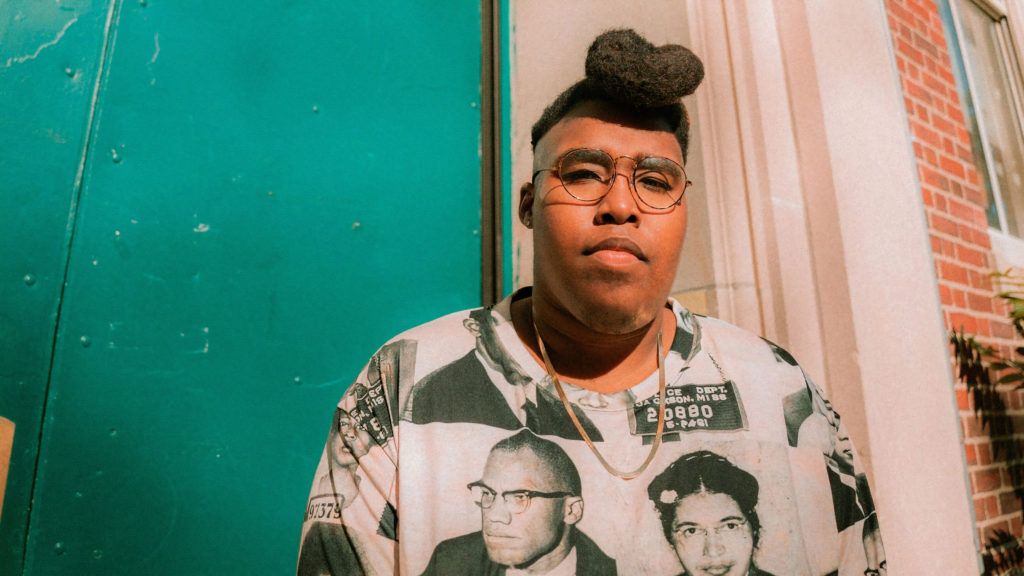
It’s crazy that these people are gone. It’s less coming from just me, it’s carrying my favorite icons — not icons, but more…mentors — carrying them with me. The image of the [album’s] cover art, that t-shirt [I’m wearing] is the image of carrying them with me, bringing them back to life. People trying to erase them. I am not just me, I am all of these people.

AP: Everyone is talking about how 2020 has been a pressure cooker of a year politically, but of course it’s only highlighting injustices that were always there. Why did you decide to write “Trump vs. Biden” and release it now?
BDT: After I heard the news that Biden was the candidate, I went into the studio. It was my first time hearing that beat but I pushed “record” and started rambling about Trump and Biden. It was emotional. Normally I’m not clickbait-y; on-the-nose is not usually my style. But everything is so heavy and confusing, it’s creating this disillusion. 

“…you can’t just collapse, you need to work towards some sort of hope or joy.”

The reason for releasing [the track] and the whole project now, is that I want to showcase the week before the election as part of this moment of not knowing what’s going to happen, the anticipation before getting final results — like on Maury, waiting to see if they’re the father [laughs]. People have asked me, “Why not release it the week after?” But for better or worse, we’ll see what happens. Regardless of what occurs, we have to focus on thriving in our environment, even if it’s horrible. I’m thinking of the Civil Rights movement or the stock market crash — these intense catastrophic events — people have gotten through them and lived through them, so we can’t just give up. Yeah, you feel awful and need to find inner peace, but you can’t just collapse, you need to work towards some sort of hope or joy.

AP: How do you know S’Natra and what was the collaboration process like for their verses?
BDT: We’ve been in each other’s lives since almost a decade ago. We were homies in New York, we met in Harlem. He’s a couple years older but we were in the same circles for years. We hadn’t spoken in a long time, but I was working on the track thinking of the chorus and first verse, and I needed another voice to have a conversation with multiple perspectives, not just me. I wanted that New York flavor and flow. This person who knew me since I was 18 with my whack rhymes. This track is made with someone who inspired me, he’s one of the best rappers I knew as a teenager, I was blown away. He nailed the imagery, the moment we’ve all been experiencing — watching these people commit crimes…I couldn’t imagine a better collaborator. 

For Better or Worse is out now, listen below:

You Oughta Know: R.M. Hendrix

Warning: This piece contains discourse about gun violence. 

Every Friday, we’re here to remind you of the Boston artists we love and think you oughta know.


r.m. hendrix

War Is On Its Way Album Art

It’s already an endeavor to write, record, and release music; but to add a series of analytical essays explaining the influence and ingredients of that music brings another layer of dedication and effort. That’s what R.M. Hendrix has done with his latest release, War Is On Its Way, a seven track EP that dropped back in September. Hendrix dabbles in a sort of experimental pop laced with inspiration from shoegaze, psychedelic blues, the early synth music of the 1970s, and maybe a dab of arthouse film scores to create music that doesn’t really have a peer, at least around Boston. 

To correspond with War Is On Its Way, R.M. Hendrix wrote and published a series of essays on Medium. Each essay corresponds with one of the EP’s tracks and allows the artist to expound upon the influences that went into the unique recipes of the songs, whether those influences were sonic or inspired by the current events of the world at large. Reading those essays while listening to the EP gives a unique insight into the creative process behind Hendrix’s music. Since the beginning of September, he’s published about nine essays on Medium, and reading through them, you can see clear examples of an artist questioning his own internal state and how it relates to the world, his upbringing, and more. 

R.m. hendrix

Photo by Solomon Hendrix

The first essay, titled “Gun Culture Is Killing It,” is a hell of a way to start the series. In it, Hendrix explains the meaning behind “Bullet Point,’ the EP’s second track, while examining his own relationship with gun ownership. “Guns were just rural life. I never questioned it. They were part recreation, part protection… I didn’t even think about it. Until one day I did… It’s also a day that I began rethinking my own history.” Hendrix goes on to draw logical connections between rising gun violence and the September 11th attacks; the relationship between guns and race; the role of the N.R.A. in American politics; and the death of a coworker in a 2017 Las Vegas shooting. It is a challenging essay to read, but kudos to Hendrix for doing the soul-mining and self-excavating work of challenging his own beliefs, to question the upbringing and culture that he comes from. It’s the sort of mental activity that not enough people seem to be doing 

That particular essay deals with the heaviest content right out of the gate, but there are other sociopolitical topics that Hendrix dives into the heart of in his writing. After all, the EP is called War Is On Its Way, so much of its sonic textures feel like transmissions from the middle of a warzone. Much of its content examines the role violence plays in American society, in the hearts and psyches of its people, though Hendrix analyzes this violence without the sort of romanticization or fetishization that has become standard in American culture and media. 

In fact, he points out in the essay “Violence Has Its Own Light,” which corresponds with the opening track “Secret Weapon,” much of his commentary is in fact a lamentation that takes its cues from the blues, a subculture that is as American as anything else. He writes about that the song “doesn’t sample anything but it is filled with inspiration and references like […] 120 years of blues in the DNA of American radio hits. It’s taking cues from Portishead, who sampled classic jazz for their first record, Dummy.” That first Portishead album is a sensible shout; the seminal trip-hop trio also made a habit of finding the exquisitely beautiful within a sea of trouble. Hendrix continues, “Like the music, War Is On Its Way is also trying to make sense of our culture — to find the patterns — of the past year or two in America. ‘Secret Weapon’ is acknowledging that so many of us have been marginalized during this time.” To close this essay, R.M. Hendrix dedicates War Is On Its Way to Black Americans of both the past and present: those who fought for justice, who were denied justice, whose struggle continues to be fought to this day, in a year where racial tension in America has reached a such a head that no one can pretend to ignore it any longer. With War Is On The Way, R.M Hendrix is doing the necessary work of examining his own whiteness and role as a white musician influenced by Black culture, work that every white American should be doing. 

While the title War Is On Its Way might seem sensational and even buying into the “civil war salivating” of armed white militias that Hendrix decries in “Gun Culture Is Killing It,” it’s important to dig deeper and realize that this album is very much about examining one’s own relationship with fear and paranoia. How do our own thoughts, words, and actions contribute to fueling that fire? Are we doing the necessary work to examine our own relationship with violence? With hate? And – when we’ve done that examination – where can we go from there? 

Stream War Is On Its Way via Bandcamp below, or via the streaming platform of your choice. Be sure to read R.M. Hendrix’s corresponding essays on Medium. Also be sure to watch the brand new video for Hendrix’s cover of “Unmade,” originally performed by Radiohead frontman Thom Yorke from the soundtrack to Suspiria (2018), which comes just in time for Halloween. 

Joel Ronson Creates “The Admiral” Premieres ‘Pardon Peter’


Photo by Sarah Neides


Joel Ronson, a.k.a. “The Admiral,” is a 22-year-old genre-bending producer from London who now calls Brooklyn his home, and he is releasing his debut album “Vol.1” on Thursday, October 29th. The LP is a gonzo smorgasbord of topics operating within the realms of Hip Hop, EDM, and Rock. All of the tunes are filtered through a prism of irreverent humor, bedroom pop, and video game culture.

His song “Who Got Very Oily?” was recently featured on the popular sex-positive podcast “Guys We Fucked.” “Oily” is a house track about an incident where The Admiral suddenly becomes covered in olive oil. In the music video, backing vocalist Sarah Neides taunts him as the song ends with a “Game Over” title card.


The album carries on this way, with a hilarious interplay of both character and genre studies. The singles find an industrial-rock song about cake, a midi-synth ballad about frolicking in a meadow, and a trap tune about looking at lamps. Lamps kicks off with the line, “Offered me cocaine/ I said I’d taken a sample/ but throughout the evening I’d found I’d taken ample.”


Joel Ronson’s alter ego “The Admiral” obviously doesn’t take himself too seriously. That said, he pays an admirable amount of attention to the songcraft even when he’s joking around. At 22 Ronson has already worked as a producer in London, New York, and LA. He soundtracked the podcast, “The Butterfly Effect,” starring British writer-comedian Jon Ronson (his father). 

After putting out records under various guises such as “Honestly Nowhere”, “DJ Consumer Culture,” and “Professor N.E. Where,” Joel Ronson decided to write as “The Admiral.” He explains:

“In finding your voice you go through all of these different phases and influences. It’s me trying to hone in on myself in itself in its truest form whether it’s lyrically or musically. I’m trying to fuse all of the influences, the phases, all of the different people that I’ve wanted to be, it’s like who am I now after all of that? Who am I at this moment?… What I did with Honestly Nowhere, [what I’m doing with] The Admiral, it’s all a side of me. I’m trying with these characters to make it truer to my intention as an artist and my own self-expression. Honestly Nowhere was miserable. I didn’t want to put out loads of miserable druggy albums for the rest of my life. I’m more than that. Why not sing the funny songs?”

Stream the rest of the funny songs when The Admiral’s album drops on Thursday, October 29th. Meanwhile, check out the Allston Pudding premiere of his latest single “Pardon Peter,” a more somber turn for The Admiral and reminiscent of Honestly Nowhere. “Peter” also features backing vocalist and videographer Sarah Neides, whose presence adds depth throughout “Vol. 1.” Watch below:


INTERVIEW: UsLights Forges Their New Identity with Their New “Exit Scam” EP


Photo by Kayla Chin

Shortly after the release of their 2017 album, Wæs, usLights got busy on their next project. This new project, however, would be different from their last multi-song release with their transition into more dream-synth indie with vocals as the main instrument. Wanting to forge a new identity in the Massachusetts music scene with guitarist Gregg Kusumah-Atmadja emerging as the band’s official lead singer, the band spent three years crafting their newest EP, Exit Scam, with two new original singles and a familiar Fleetwood Mac cover. UsLights sat down with Allston Pudding to talk about how this new project really marks a change in their evolutionary sound and maturity as a band.


ALLSTON PUDDING: So, firstly I just wanted to congratulate you guys on the new EP. It’s an awesome blend of synth-dream. With the exception of “Dreams,” they were all written over the past couple of years, right? 

SHAWN PELKEY: Yeah, they were written like two years ago, and it just took us a very long time to get to where we’re at with them. I mean, we went through a couple of mix engineers, so they had some revisions, and even the record — the vinyl itself — is an earlier set of mixes than the digital release. So there’s like a few things that have changed in there, people might not even notice, for the most part. The car crash [on the cover art] is probably the most noticeable but other than that, like, it just took us the full two years to really do it right, but right now it’s all kind of coming together.

AP: Speaking of the cover art, I thought it was so cool. Is the car crash symbolic of anything?

GREGG KUSUMAH-ATMADJA: Well, Exit Scam coincidentally has this. I talk about driving in a car and I can’t slow down and then there’s a car crash at the end of that phrase. And it just happened to be that we ended up using this artwork with that in mind, so it kind of just happened to work out and it’s kind of a weird coincidence.

AP: Nice. So I want to talk about singles for a second on the EP. “This Must Be The Place” is so rich lyrically. Especially the line “100 times my weight and blood is not enough like.”

GKA: Yeah, so, basically, every time I go to write lyrics I have like this mumble demo track of me just finding melodies. It’s almost like those mumbles are speaking to me, so I try to find what the mumbles sound like I’m saying, and then, once the meaning of the song starts to take shape the phrase falls into place. [This Must Be The Place”] is about parenthood and what it means, and how you can never give [your kids] enough, while also preparing them for the world.

AP: Right on. So, talking about another song off of the EP — The Fleetwood Mac cover — was that just by happy accident that you guys happened to release it just as it started to blow up on Tik Tok? Or was it planned?

GKA: Yeah. we were sitting on that one for a while too, but it was a coincidence! It just happened to line up, but we’re pretty, pretty happy about that.

AP: Yeah sometimes things just work out like that. So looking at your whole discography, what makes this project different from previous ones?

SP: Yeah, this EP is just about us finding ourselves and really honing in on the things that we really want to do with this project like, you know, Wæs was us really searching because we didn’t have a singer when we wrote a lot of those songs, and Greg decided he was just going to sing, so by the time this record came out we had more of an identity in our brains for what we wanted to be. So, you know, it’s really just a piece of the process, you know, we’re still trying to find our place. But it is a step in the evolutionary process and I think it’s a big one.

AP: Greg, how did you decide to be the singer?

GKA: Yeah, so we were putting ourselves out there in the world [to find a singer], you know, saying “We have some demos, if anyone’s interested, send us some stuff,” and we just weren’t really feeling everything that we got back, so I was like, “Fuck it. I’ll just try doing this, and maybe three covers.” And that song was really my first “tryout.”

SP: I was like, “What the hell have you been doing this whole time.” A massive waste of time. I’ve been playing in bands with him for years before that and you know he’s done some quirky little vocal things, but he had never done anything in a serious manner. It was quite a test for him, but it was amazing when he came out with what he did. 

MATT NASTRI: Yeah, it really meshes like really well with our sound so like, it was just the perfect sort of situation that just happened to work out. He knew what the songs needed, you know, when you’re looking for other people, they had no clue what we were even expecting or what they would even want to do on it so we were lost for a bit, but it all worked out.  

AP: So, Greg. Do you think you’re gonna stay on vocals or was it just a one and done?

GKA: Yeah, I’m a lifer now. I prefer singing them more than anything else, at this point. Takes away a little bit from the guitar work, but I don’t know, I’ve been singing on the guitar anyway. I want to start doing vocals too on the records, which we’re way overdue for.

AP: Speaking of future records — should listeners expect a full-length album coming out soon?

GKA: Yeah, so we basically have a full remixed or reimagined version of our first record Wæs. And that’s also an evolutionary step in a different direction. That’s going to be coming soon, and then we have another three to five song EP, that is along the same lines as the Wæs remix. And then we have another full length that is basically going to take us until the end of next year. So lots of stuff coming up.

AP: Glad to hear it. Thanks so much for talking with me about your latest release!

Exit Scam is available on Spotify and Bandcamp and the 7-Inch record is available for sale here. The music videos for Exit Scam and This Must Be The Place are also out on Instagram and Youtube.