Creativity is a Wiggly Spiral: An Interview with Wye Oak

13406963_10154222418744110_6442893085386129414_n

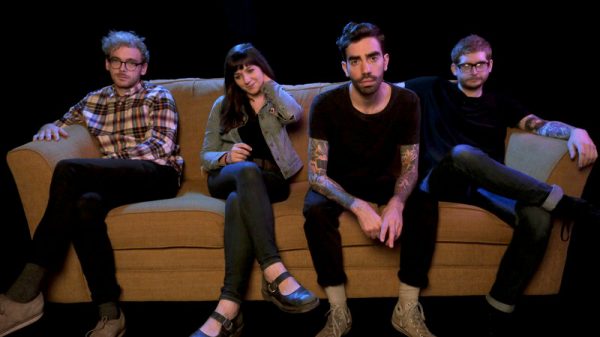
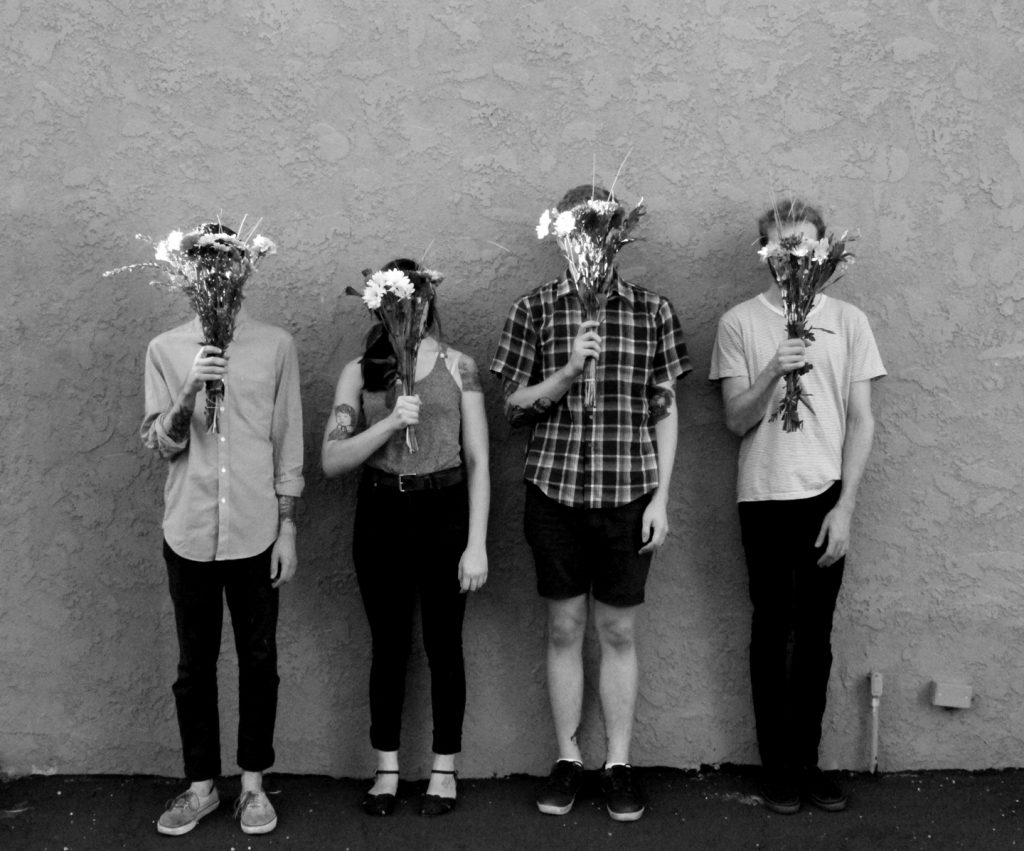
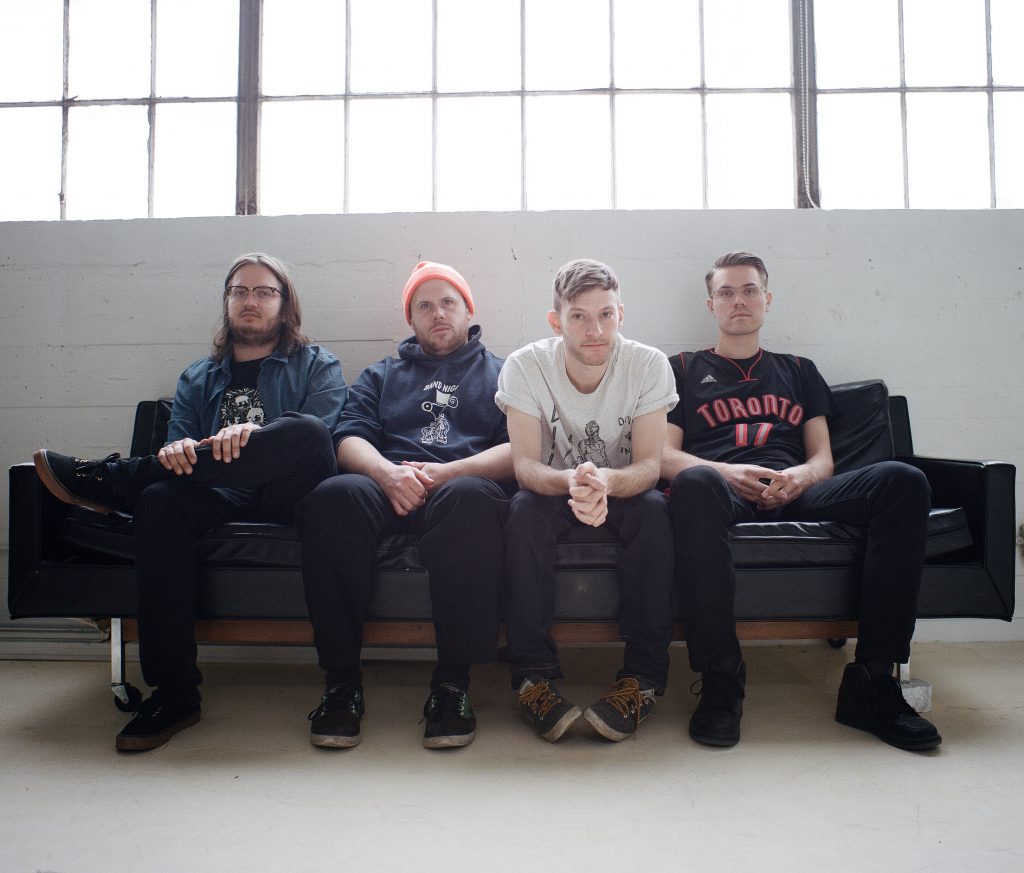
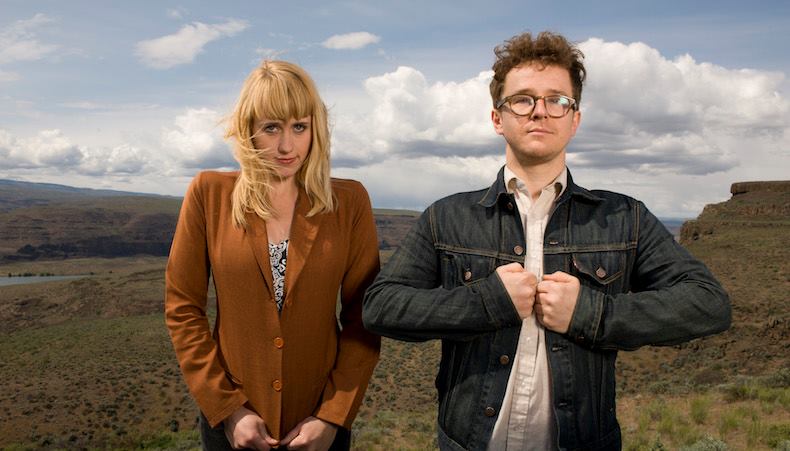
Rooted in indie rock and Maryland tree metaphors, Wye Oak has always been hard to pin down by its leaves. Ten years of songwriting together, and the duo of Jenn Wasner (vocals/guitar) and Andy Stack (synth/drums) holds four full-length albums experimenting onward from acoustic origins into what, at points, begs the question: What defines this band? After all, Wye Oak’s giant leap from 2011’s much-loved Civilian and 2014’s cutting Shriek drew a resounding “they sound different” when Wasner traded in her guitar for a bass.

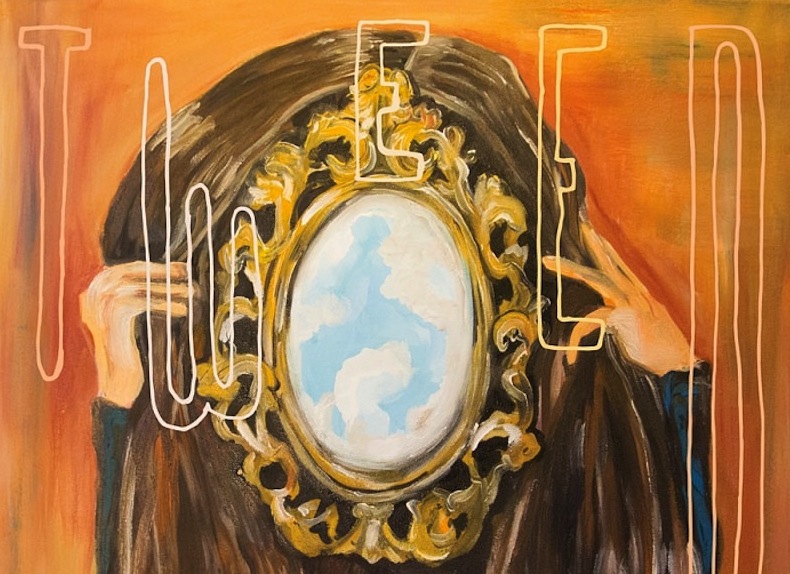
But according to the group’s newest release, there’s more on an artist’s roadmap than points “A” and “B.” Tween is a side-step from Wye Oak’s discography, lined with songs born between the bookends of two distinct records but that fit into neither. “It’s not lesser than. It’s just different,” said Wasner, who dubs the eight-song collection as a “non-album” for reasons you can find, and contemplate on, below.
6-10-wye-oak

Allston Pudding: First off, what led you to bringing these songs back for Tween?

Jenn Wasner: Actually in the process of moving, which happened about a year ago and was the first time I’d ever moved away from Baltimore, which was my home for the first 29 years of my life. When you do a big move, you take stock of what you have. I was kind of just going through everything that we had made over the past several years, and we discovered a lot of this stuff. I had this moment of “Why did we abandon these?”

We know why we abandoned these. I often use the metaphor that making a record is like writing a novel, where some songs are short stories, and they don’t fit together as a giant, cohesive narrative. These are the short-story songs. For that reason, we never really knew what to do with them, but I think it’s pretty good when you rediscover something a few years after the fact and still like it.

Just as a creative exercise, we started working together and finishing them with the skill sets we have now and seeing what would happen, not necessarily with an eye toward a release. Eventually, we were so happy with the way they turned out we wanted to share them. So, it became this “not album”: Tween.

AP: When you say you “found” them, were they on your computer or had you written them down and physically found these songs in boxes?

JW: We had begun to record them. So, I had sessions and Mp3s that we had worked on. It was more about digitally taking stock of what we had. Also that’s something I tend to do when I’m thinking about writing for a new record: going through everything I’ve done and seeing if there are any ideas that have slipped through the cracks. In this case, there were quite a few.

AP: In the process of finishing them, did these songs transform, or is what we hear on Tween pretty true to those original recordings?

JW: I would say it varies from song to song. Some of them actually are new. I wrote the last song on the record “Watching the Waiting” kind of with the rest of the songs in mind, and that’s a weird thing to try and describe. I don’t know if I would have necessarily written that song if it weren’t for the influence of the others.

“I often use the metaphor that making a record is like writing a novel, where some songs are short stories, and they don’t fit together as a giant, cohesive narrative. These are the short-story songs.”

The ones that are old, I don’t think they transform so much as songs, but I do think our production capabilities are way better than they were when we wrote them. We’ve learned a lot in the past few years as far as producing. So, I think they definitely are much more powerful and much better realized now than they would’ve been had we tried to do this record three or four years ago.

AP: With that, did the fact that this wasn’t supposed to be an album in the first place help keep the songs organic?

JW: For us right now, we’re discovering that we’ve been a two-piece band for ten years. We started working on our first record a decade ago, which is insane. Like any relationship of that length, You have to really make an effort to enjoy making music for the reasons that you wanted to make music in the first place: because it’s what you love, because it’s free and because it doesn’t have to be anything. Beginning work on these songs, we were just loving the idea that we could do whatever we wanted. It didn’t have to be anything in particular because it wasn’t going to be “the next Wye Oak record.” That took a lot of pressure off of us.

AP: Beside the fact that they neither fit into Civilian nor Shriek, what other common threads exist between these songs?

JW: When I talked about “Watching the Waiting” being linked to the rest of the songs, I think it also functions a little bit as a thesis statement. That song starts out with the line “When I made my plan, there were some things which I could not account.” Basically, everything in my life for the past several years has unfolded in a way I could not have predicted, and it’s been really important, really trying and really wonderful all at once. I think, often that’s what creativity feels like to me. You sit down with an intention, a purpose, something you’re trying to achieve, and it turns out like nothing you could have ever imagined.

My relationships to the process and to the things I make have been so encumbered with weird guilt, shame, wishing I was something else and wishing the things I make were somehow different or better. I’m at this point in my life now where I’m really ready to let go of that. Allowing these songs to be out in the world and allowing myself to release things as I see fit, I feel like it’s a culmination of many years of emotional and psychological work for me of learning to put positivity out there. I’m alive. So, as a common thread, these songs are different points on that path. “Watching the Waiting,” embodies where I eventually ended up, which feels now like a pretty good place to be.

AP: That said, is this or is this not an album? Why or why not?

JW: We’re going with “not album,” which is a really sneaky way of having it be both. Initially we were like “Maybe we’ll put it out as an EP,” but everyone in our record label said “Well, you could, but nobody buys EPs. Maybe don’t call it that.” Also, when we started out, we didn’t realize it was going to be eight songs. That’s definitely album territory. So, in the way that it’s a bunch of songs then, technically, yes. It constitutes a record.

What makes it a “non-album” in my mind is similar to what I was saying before. When you create a record and you have a cohesive idea or concept of what it’s going to be, I usually have that concept before I start writing. I’ve done that for every record we’ve made, knowing what songs fit under that umbrella as it’s happening.

This record feels more to me like the collection of short stories to our records, our novels. We’re looking forward to making our next actual, proper record, but, in the meantime, this is a really special thing for us to be able to share. It’s not lesser than. It’s just different.

AP: Since these songs were written in between the “Point A” of Civilian and “Point B” of Shriek, what does Tween show about the identity of Wye Oak?

JW: Something we’ve been trying to come to terms with is that when you take a creative enterprise and try to fit it into the parameters of marketing and capitalism, it’s tricky. People whose job it is to sell records would very much like you to believe that everything travels in a straight line moving forward. I don’t really think time works like that, and I don’t really think creativity works like that. I think if you’re being true to your creative spirit and you’re not solely trying to make the most market-logical work, instead of a straight line you get a wiggly, spiral.

“I think if you’re being true to your creative spirit and you’re not solely trying to make the most market-logical work, instead of a straight line you get a wiggly, spiral.”

I feel like for better or for worse–for better being our creative output and for worse being our pockets–we are always going to be that kind of band. I’m not really capable of doing something that doesn’t call to me in that way, and I’m kind of a slave to the creative spirit wherever it takes me. The stamp of this record is that we’re always going to be the kind of band that follows that as opposed to given ways that make sense.

I hope there are people who are on board with that general ethos, who are interested in seeing where that wiggly line ends up because that is what this record is for, for us.

AP: That’s so beautiful.

JW: Thanks! [laughs]. It’s so strange trying to take things as wonky as inspiration and creativity and make them fit into this rigid format, and I think we’re still trying to figure out what this band can mean. The only way we can continue to be inspired about continuing is by letting it all naturally grow and evolve.

AP: Lastly, what were you like as a “tween”?

JW: Very good question. I was a stone-cold horse girl. I was deep, deep, deep into the horse scene. My next door neighbor at my parents’ house had a stable with six horses, and at that time in my life I was getting up in the morning to go take care of them before school and coming home to take care of them after. I was maybe just starting to play guitar, but way more at that time, I was like “I’m going to be a veterinarian, and no one can tell me otherwise.”

Wye Oak plays The Sinclair Sunday, June 19th. Tickets are $18 in advance / $20 day of.
PREMIERE: The Michael Character’s “Wheelie?”

If there’s anything funny about the title of The Michael Character’s new album, it’s that there’s any sort of question as to whether singer/songwriter James Ikeda would actually pop a wheelie given the opportunity.

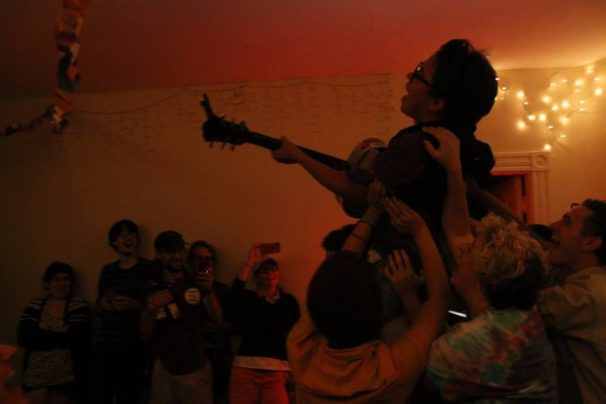
After all, his sometimes-full band, sometimes-solo folk punk act has become known over eight albums for their acerbic songs paired with a gleefully aerobic live show. Although you might partially know Ikeda as one of the few acoustic-playing songwriters not opposed to the occasional crowdsurf, Wheelie? is both as heartfelt as it is socially aware.

Packing pointed observations on society (the chorus of “Celebrate” rhymes ‘systemic racism poisons our institutions’ with ‘globalized markets ensure widespread financial ruin’) alongside candid takes on age in the DIY scene (lead single “26” calls to sing with Ikeda acknowledging ‘ageism is real’ and ‘you’re feeling old’), Wheelie? just might be the most conscious feel-good record of the summer.

The Michael Character will be going on a national tour from July 7th to August 2nd in support of Wheelie?, but we’re very happy to premiere the album today in full. Check out the stream below (complete with artwork from Louis Roe of Squishy Sandwich Art) and, for more information on the album, head to TMC’s Bandcamp.

REVIEW: Motion City Soundtrack at The Paradise (6/12)

13461263_10209415207794499_1026506081_o

There’s a self-defeating narrative that tends to come out of me whenever a formative band of my teenage years breaks up, pill find and I’d like to dismantle it here with Motion City Soundtrack’s impending demise.

I often lead the eulogy off with a statement of who I was before the band in question came into my life. Since I’m apparently a glutton for self-deprecation, prostate I have offered up multiple examples for you to choose from:

  • “I had a love of pop punk almost as insatiable as my love of cargo shorts, look of which I had a pair of for every day of the week.”
  • “My friends were the kind of teenage philosophers that unironically watched Donnie Darko on a weekly basis, often followed by a dissection of its meaning.”
  • “I once cavalierly gave a prom date a mix CD that opened with ‘Hands Down’ by Dashboard Confessional” (which, if anyone at home cares, is far too strong of a Warped Tour-era melodrama to be placed anywhere sooner than the second half of any standard issue high school mix CD)”

13453503_10209415263955903_1992748512_o-1From there, in comes said formative band, out goes some of my unsightly pubescent tendencies, and I sappily assert how much the band meant to me over the years even though I kinda forgot to listen to that last record they put out. In short, it feels a little insincere in remembrance of the most eccentrically coiffured, hyper-literate synth rock band to come out of Minneapolis.
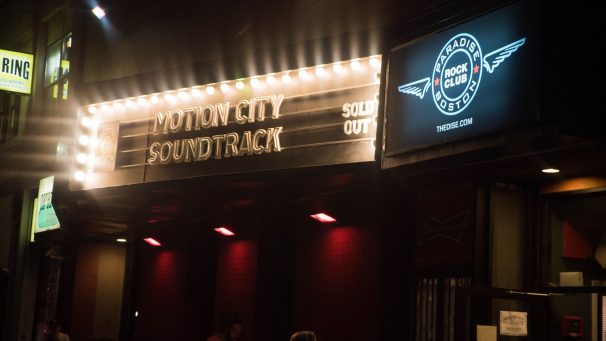
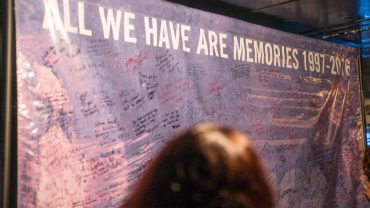
Sunday’s first of two farewell shows at The Paradise began in procession to a signing wall of favorite quotes, tearful paragraphs of thanks, and a few non-sequitur/obscene markings from fans not entirely sure how to say goodbye yet. Openers Let It Happen and Have Mercy certainly tried aiding the grieving process with serviceable takes on mid-aughts Warped Tour emo, but it’s rare to capture the kind of personality and manicured lyricism that made Motion City underdog heroes of the festival in its heyday.

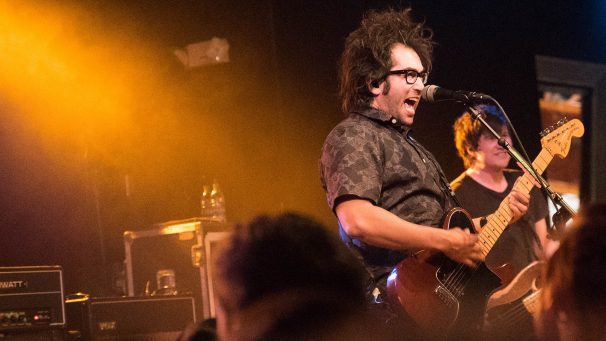
Leading off with “Back to the Beat”, a fan favorite ode to breakdancing lovers dating back to 2000, singer/band mascot Justin Pierre and co. spanned sixteen years of broken hearts, feeling attractive on selective days, selling an Xbox to Jimmy down the street, and the optimism in being someone’s ‘favorite accident’ through a 22 song set. Rounded out by original drummer Tony Thaxton (who left the band back in 2013), the quintet played with an unnatural level of vitality for a band about to enter that murky “indefinite hiatus” stage of near-death, although every aspect outside of their playing suggested no plans for a reunion tour to follow. As such, the crowd responded heartily; torch songs like the ever gut-wrenching “Hold Me Down” came with as much deafening crowd participation as the band’s pogoing hits (highlight: the crowd erupting for the famed drum outro in “Time Turned Fragile”)

13446287_10209415205794449_1737879126_oOf course, the fact was that we were congregated for a funeral of sorts and, although chants of “Dad!” started playfully as Pierre referred to his paternal instincts in the face of crowd-surfers, there was a certain pleading to the repeated dad cries in the set’s later half. Although they felt more like your friendly neighborhood record store nerds or the kind of friends you could probably watch Donnie Darko with without shame, Motion City Soundtrack ascended to an ideal parent role in the scene sometime over the past several years.

Despite some allegiance to pop punk and its penchant for oversharing, Pierre tackled anxiety, depression, and a desire to be better in his songs, adding a layer of witty self-reflection that normally evades the genre’s so-called best lyricists. Betty rocked the cow girl blues, Antonia sneezed when she saw bright lights, and the women Pierre loved were actually people versus targets of heartbroken aggression.

Closing out with their first (and still painfully relevant) hit “The Future Freaks Me Out”, the quintet are not only left with deserving pride over the last two decades of output, but proof of a rare kind of fanbase (myself very much included) that rallied around their positivity to guide them through their own past, present, and uncertain futures.

After all, Motion City Soundtrack didn’t live, get fucked up and die for anyone to feel anything less than alright in their company.

For additional photos from the show, check out our gallery below.

Slide 1
Slide 2
Slide 3
Slide 4
Slide 5
Slide 6
Slide 7
Slide 8
Slide 9
Slide 10
Slide 11
Slide 12
Slide 13

Ian Sweet Releases Single, Announces Album on Hardly Art

Ian Sweet

Photo by Eleanor Petry

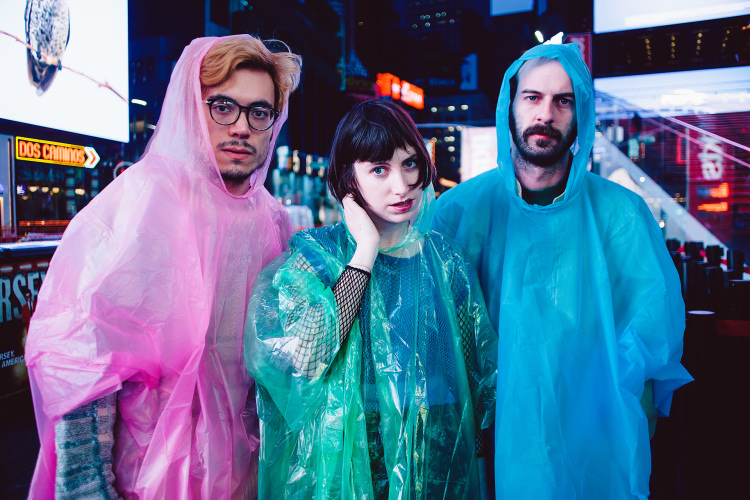
Just in time for a return to its old stomping grounds, Boston-turned-Brooklyn trio Ian Sweet (formerly known as Ian) has released new single “Slime Time Live” with a premiere streaming over on The Fader. Even better, they’ve announced that it’s the first track off of upcoming album Shapeshifter, out September 9th on Hardly Art.

Give it a listen, then catch Ian tonight at the Middle East Downstairs, along with Chastity Belt, Colleen Green, and Midriffs. Tickets are still available.


New Mitski record ‘Puberty 2’ streaming on NPR

mitski-puberty2

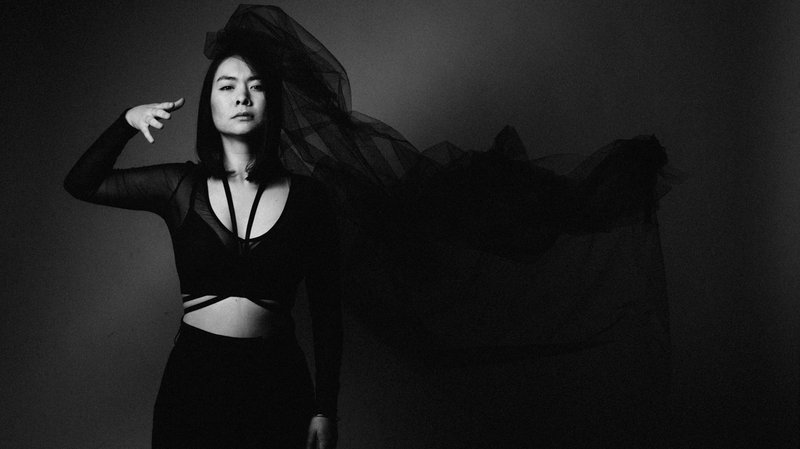
After many months of waiting, peppered with tantalizing hints of new material, Mitski Miyawaki’s fourth studio effort, Puberty 2, is finally available for streaming via NPR. The New York-based artist, known for her powerhouse live performances and minimalist approach to arrangements, stays true to form throughout her latest effort, capturing the capitulation and nuance of the raw feeling that comes with puberty, and, occasionally, weaves its way into life beyond it.

With Puberty 2, Mitski solidifies her position as one of the most powerful and authentic voices in music today. Listen to the album below, and catch her with Japanese Breakfast at Brighton Music Hall on June 22.

FESTIVAL REVIEW: Five Things We Learned At Boston Calling 2016

BostonCallingReview-35

Boston Calling’s last hurrah at City Hall Plaza has faded into recent memory. The last brick has been kicked up, the last echo of the red stage has bounced off City Hall’s walls, and the last Sam Adams cans have been littered onto the pavement.

It was hard for me not to feel a little nostalgic as I walked around the plaza the first night of the festival, the day the move to Allston was announced, even as I had previously critiqued the festival for having outgrown itself. Imminent absence makes the heart grow fonder.

Was the Memorial Day weekend festival a perfect send-off to a growing festival? In a word, yes. In slightly more words, here are five things we learned at Boston Calling 2016:

1. Headliners’ sets impressed. The weekend kicked off with Sia, who followed a zany Sufjan Stevens set. Sia gave an impressive stage show, with dancers performing routines that matched a pre-recorded version playing on jumbotrons on the side of each stage. The work that went into producing a stage show like this boggles the mind – the lighting and the dancers’ positioning fooled some into believing for a few seconds that Kristen Wiig was making a cameo on stage. The routines for “Cheap Thrills” and “Unstoppable” were among the most fun to watch; the full set was a sight to behold.

Saturday night’s Robyn set came with a foreboding press release earlier that morning. It said that Robyn’s show, along with other festival sets, would be remix performances. It was only foreboding to me in a sense that many people were going to be pissed. Robyn’s set was a 75-minute continuous mix of songs, performed live. She brought on dancers and grooved her way through new versions of old songs. It was an impressive stage setup, with lighting and mirrors. The remixes were fun, but the crowd left feeling robbed of her precious hits. But as MTV News’ Hazel Cills wrote of Robyn’s Governor’s Ball set, “Robyn wants you to come to her dance floor looking to lose yourself, not to find her.”

Disclosure closing out the festival was pretty good, too.

2. Early-in-the-day performances should be the reason to attend music festivals. Why? Because you miss the star-making moments, like Christine and the Queens’ incredible Sunday afternoon set. You get the sense that singer Héloïse Letissier and her band will soon be skipping smaller clubs and going straight to selling out a few nights at House of Blues. Same goes for rapper Vince Staples, whose set was very energetic. Boston-based artists Palehound and Michael Christmas kicked off the Saturday and Sunday bills, which showed off the city’s immense talents.

That’s not to say anything of the artists in the late afternoon and early evening who wowed. Janelle Monáe was one of the standout performances of the weekend. She and her band had a stage show that was incredibly well-choreographed and performed. In fact, Sunday’s string of sets were easily among the best in recent memory. Every performance seemed to land well with fans; from Charles Bradley to HAIM, there was bliss and joy. Saturday’s sets were a little more inconsistent, but Courtney Barnett’s shredding performance was the highlight of the sweltering day.

3. Water refill station lines can quadruple that of beer lines. Mid-90 degree temperatures on Saturday put a strain on everyone. With the sun beating down on concrete, it was very hard to find relief. Lizzo’s 1:30 p.m., high energy set got many to come out of the shade and dance, and they were rewarded for their efforts with a hail of water from Lizzo’s dancers’ squirt guns.

4. Boston Calling at City Hall Plaza peaked. Many things that organizers could have improved on from last year’s festivals were better: the addition of a third stage for local bands and comedians, a spectacular lineup, and expanded food and drink options. Still, the inherent issues were there: claustrophobia at highly attended stages, less than ideal acoustics and lack of green space.

5. Boston Calling’s future in Allston is very, very bright. A lot of those inherent problems are about to be fixed. The Harvard Athletic Complex will give Boston Calling and its attendees the space and sound the festival sorely needed.

While nothing is concrete as of yet, it looks like there will be multiple stages with simultaneous music; a lineup of 50 would put Boston Calling on a larger scale nearing New York’s Governor’s Ball. That’s big for Boston.

Just over three years ago, a large pop music festival wasn’t conceivable in Boston. It seemed out of the realm of possibility that The National, Lorde, Sia, Beck, Pixies and Neutral Milk Hotel would play in a festival setting. Now, Boston Calling is a fixture. It has built up a solid reputation over seven iterations. People attending Boston Calling 2017 will have enormous expectations, not just in terms of lineup, but also in the execution.

So while the backdrop of Financial District buildings will be sorely missed, a new era is about to begin.

View photos from Boston Calling 2016 below, by Corwin Wickersham.

Slide 1
Slide 2
Slide 3
Slide 4
Slide 5
Slide 6
Slide 7
Slide 8
Slide 9
Slide 10
Slide 11
Slide 12
Slide 13
Slide 14
Slide 15
Slide 16
Slide 17
Slide 18
Slide 19
Slide 20
Slide 21
Slide 22
Slide 23
Slide 24
Slide 25
Slide 26
Slide 27
Slide 28
Slide 29
Slide 30
Slide 31
Slide 32
Slide 33
Slide 34
Slide 35
Slide 36
Slide 37
Slide 38
Slide 39
Slide 40
Slide 41
Slide 42
Slide 43
Slide 44
Slide 45
Slide 46
Slide 47
Slide 48
Slide 49
Slide 50
Slide 51
Slide 52
Slide 53
Slide 54
Slide 55
Slide 56
Slide 57
Slide 58
Slide 59
Slide 60
Slide 61
Slide 62
Slide 63
Slide 64

INTERVIEW: Pity Sex

Everyone always has that slight moment of glamorizing the idea of living alone at some point or another. Maybe it’s just the idea of not having to answer to anyone or simply gaining the freedom to put your things everywhere without worry of others’ opinion. When Pity Sex began crafting their latest album, White Hot Moon, the band’s drummer and co-songwriter, Sean St. Charles, found himself taking full grasp of the realizations that came with his decision to live by himself in the band’s home base of Ann Arbor, Michigan. Although he’s gained a deeper perspective of his relationships and self, he stays true to his focus on the austere of the simple routine that comes when there aren’t others to distract.

The strength of these realizations from St. Charles push through as the heaviest force of White Hot Moon. It’s apparent that St. Charles and co-songwriter Britty Drake wanted the album to be utilized for all it was worth, stating honesty that stands too strikingly to be passed amongst their familiar thick fuzz.

Allston Pudding: You have said that “White Hot Moon” was written while you were living alone, so the song focuses on the simple things that make up a day. How has that perspective of routine affected the way that you think about touring life?

 Sean St. Charles: It’s hard, because there’s not much routine on tour. You do kind of create your own structure between the load in and getting in the venue, but at a certain point on tour nothing seems real or important anymore. People come and everyone that you love comes, and some interesting things come out of that. In that sameness, the peculiar moments stand out and once you do 30 days of small weird moments you can be in a pretty weird place.

AP: Within “White Hot Moon” you have that mantra, “we’ll run together, but we won’t stay”. What exactly is meant by that line?

SS: There’s this thought talking about how people rush against each other in life. Either with friendships or relationships, the coming together of people changes both persons’ lives. It changes the perspectives and I think that something that you don’t really realize until you’re older maybe is that it would be crazy to expect the people in your life now to always be there. People that you love and that you’re with change quite a bit, and I really like this thought of approaching life in a way where that feels okay. You can celebrate coming together and when people fall apart, celebrating whatever the next thing is.

AP: Ann Arbor kind of feels like Boston in the way that it’s a college city and you’re surrounded by all of these kids that want to constantly be high energy. How do you perceive your own city as an outsider to this way of life?

SS: It’s weird. I think to some extent The University of Michigan is the only college, so it’s much more singular than Boston, but the one school makes it this crazy liberal place because of its esteem and its money and its cool art and cool music, especially at a really established level. But it is weird, especially with the thought that undergrads come to town and for anyone who is my age- I’m 27- there is limited space, so there’s not a lot of townies. I moved to Ann Arbor to go to the University and I’ve been here since, but there’s nothing that feels especially homegrown or permanent, which is kind of cool because you can exist outside of the margins. You can bring stuff in and interact with things that you think are interesting, but there is no set expectation. It gives you a lot of room to do whatever you want.

AP: How was the experience of recording White Hot Moon in Ann Arbor?

SS: So we all live in Ann Arbor except our bass player [Brandon Pierce] who now lives in Detroit. He lived in Ann Arbor when we started the band. Detroit is only 40 minutes away and he comes into Ann Arbor to work a couple days a week, so we did all of the writing here. The city is only about three square miles and it’s super densely populated, so you can walk anywhere. It’s great.

But you can’t help but let the place come into what you’re doing, especially since the culture is so singular. It definitely factored into what we were doing.

AP: How does your songwriting on White Hot Moon differ from that on Feast of Love?

SS: On Feast of Love, I think that I was more interested in playing into expectation, being overwrought and overdramatic because that is the thought that comes with a band called Pity Sex who is expected to write breakup and love songs. It was important for me to establish that, so I played into that, writing lyrics and hooks that were obvious to that and made it known that it was all done intentionally.

PSpromo

On the new record I think that we still do that musically, but I wanted to expand. I wanted to make it a little stranger. Lyrically, I moved away from things that are really gratifying in an obvious way because that is what Pity Sex has always been about. The part that makes you feel a certain way and the lyric that you just want to repeat, there’s the obvious thing that feels right, and for White Hot Moon I did things that felt weirder and more challenging.

AP: Pity Sex is pretty unique in the way that both you and Britty [Drake] share songwriting duties. What is your favorite lyric that Britty has written? 

SS: She has a lot of good ones. Britty is less interested in the super satisfying one liner than I have been in the past, so I think that her songs are taken as a whole unit. That’s definitely an important aspect of what she’s doing. Lyrically, maybe my favorite song of hers is “Hollow Body” on Feast of Love and I think a lot of people really like that one. It was written entirely by herself and when she tracked those vocals I couldn’t help but be amazed by how smart and tragic the song is.


Catch Pity Sex with Petal and PWR BTTM at The Sinclair on Thursday, June 9th. Tickets are $14 in advance/$16.00 the day of the show.

Not For the Faint of Heart: Pup Battle Back with New Album and Tour

Pup promo photos

2014 wasn’t all that long ago, but for Canadian rock outfit Pup it probably seems like an eternity has passed since they released their debut album that year. The four piece made a name for themselves not only through the raw, unfiltered energy pulsing though every track on that album, but also through a brutal touring schedule that kept them on the road nearly every night for two years straight.

After wowing audiences across the world,  the band hit a major speed bump last December when lead singer Stefan Babcock suddenly found himself voiceless. The band had to drop out of a high-profile tour with Modern Baseball when Babcock learned he had suffered major vocal cord hemorrhaging.

The prognosis was grim. Babcock was told he needed to stop singing, and that surgery was his best option. Surgery would likely render Babcock (and by extension, the band) out of commission for months. Said Babcock’s doctor: “the dream is over”.

Babcock took the diagnosis as a challenge, and decided against surgery, knowing that time off would kill all of the momentum the band had worked so hard to build. Instead, he decided to rest his vocal cords before jumping back on the road in support of the Pup’s new album, appropriately titled The Dream Is Over.

The record bristles with a sense of urgency that is rare in today’s fuzzed-out rock world, and Babcock and co. are currently bringing that same intensity to a North American tour that hits Great Scott on June 23rd. We spoke to guitarist Steve Sladkowski about the tour, the new record, and the impact that Babcock’s injury has had on the band.

“Stop to look around and enjoy your surroundings; and don’t be an asshole”

Allston Pudding: Just like on the last album, you’re keeping this new one to a pretty compact 30 minutes – is that by design?

Steve Sladkowski: We are all fans of records that are focused and airtight. Keeping a record in the 30-40 minute range is a challenge that we love to explore. There’s a very specific pacing and sequencing that comes with ten songs and thirty-ish minutes. I feel like we came closer to the mark with this record than the first one.

AP: How did Stefan’s vocal cord issues affect the way you recorded this record, and how do you think it will impact the way you tour?

SS: Stefan’s injury actually didn’t affect the recording at all. He started feeling kinda weird in the rehearsals for tour after we had finished the vocals on the record. Having said that, I think more than anything else what his vocal cord issue has taught us is an appreciation for days off. We used to tour with virtually no days off but on upcoming tours we’re trying to pace things differently so that we can rest, eat properly, and pour ourselves into every show. It’s now a matter of putting our bodies and minds first in order to give fans the best possible show.

AP: Has the injury changed the way you think about the long term prospects for the band or made you think differently about how you approach your career as a musician?

SS: Yes and no. As a musician, you realize that things are impermanent. How many bands are there that have fizzled out after a couple of records due to any number of factors? If anything, we appreciate the opportunities we’ve had even more and want to continue figuring out ways to move forward while maintaining our own personal, mental and physical well-being.

AP: A lot of the content on the new record deals with the trials and tribulations of being on the road, and you’ve talked about finding ways to deal with the stress both individually and as a group – what are some of the tricks you’ve learned to make sure you can perform your best on stage every night?

SS: Substitute salad for french fries 100% of the time; take and give space when needed; don’t take things too seriously; stop to look around and enjoy your surroundings; and don’t be an asshole.

AP: The material on the new record seems to represent a real sense of urgency – both in the pace and in the lyrical content – where do you think that comes from?

SS: I think that comes from us never settling. We always want to push ourselves in our pursuits as a band — whether it’s touring, songwriting, or anything else — and uphold personal standards. We put immense pressure on ourselves to live up to those standards which perhaps is why you’re feeling that urgency.

AP: Your hometown of Toronto has been in the news a lot lately, either due to sports or music or a number of other things. What are the best and worst things about Toronto from a musician’s perspective?

SS: Depending on who you ask: Drake, José Bautista, the Toronto Raptors, bike lanes, craft beer, punk rock, and… I dunno. There’s so much going on in the city that it feels like a new place every time we leave and come back. But the city’s art scenes are many and vibrant; that’s probably the most important thing. From hip-hop to noise rock and fine art to street art, everywhere you turn has something going on.

AP: Your show at Great Scott here in Allston sold out literally months in advance – was that what you were expecting from this tour? Do you feel any added pressure because of it?

SS: No expectations ever. Boston & the Greater Boston Area (GBA? Is that a thing?) have always been great to us. We’re really looking forward to the show.

Oh also, I lied. The only expectation I have is for the Red Sox to lose first place in the AL East. GO BLUE JAYS BWAHAHAHAHAHAHAHAAAA.

Pup will be playing with Rozwell Kid at Great Scott on 6/23. The show is sold out, but we might just have a pair of tickets up for grabs – so keep your eyes peeled! In the meantime, make sure to check out “The Dream Is Over”, out now on SideOneDummy.

INTERVIEW: Meg Griffin, the DJ!

“I’ve never really had any insecurity or doubt about who I am or what I’ve contributed, or the recognition I deserve…I mean, I’m a DJ in the Rock n Roll Hall of Fame and you don’t get put in there if you suck.”

The DJ is Meg Griffin, and for the legions of Family Guy fans who only know her namesake from the show, she’s not impressed with the character her once family friend Seth McFarland created. “I think the reason he did that with my name,  because I do think he’s really snarky, was because I am the only one in the family that had some level of fame…with the radio.”

Meg Griffin’s career in radio can be described as nothing less than legendary. She’s the subject of a new documentary called “I Am What I Play” that highlights the careers of four of the country’s most influential rock DJ’s and the trendsetting impact they’ve held in the evolving world of rock music. She was the first DJ to play punk music in New York, ushered in new wave, and helped launch the careers of artists like Patti Smith, the New York Dolls and the Sex Pistols. She’s worked alongside Howard Stern, and interviewed what might quite possibly be the most impressive list of rock legends; Robert Plant, Ryan Adams, Elvis Costello, Tom Petty, Gregg Allman, and Roger Daltry are just the tip of the iceberg. She’s seen it all, lived a rock n’ roll life, and at age sixty-two, is still doing it. She’s the host of Meg Griffin’s Disorder, a radio show on Sirius’ The Loft Channel that once you get to know Meg is unsurprisingly “free form” radio, a format that she’s championed since she began her career in 1975. She always played what she wants to play, made a legendary career out of it, and still does it everyday.

At this point, having an almost forty-year career in the radio business comes with its perks. Griffin currently conducts her radio shows from the comforts of her home here in Massachusetts, which gave me the opportunity to meet and discuss her storied career in the flesh. We met at a local recording studio in Gloucester, where she had just finished up an interview with local saxophone extraordinaire Henley Douglas, who is somewhat of an unknown legend in his own right. Henley’s local notoriety is proportionate to Griffin’s nationally, but their appreciation of each other is mutual and immediately noticeable.  

“I usually replay my interviews three or four times and its also OnDemand, so you’ll get to hear it” she assures Douglas before leaving the studio.

Douglas, known simply as Henley on the North Shore of Massachusetts, has made a living as a musician but most likely never made a connection with the kind of clout that Griffin holds. Upon leaving she promises to promote his next gig at a barbecue festival, proving no matter where she lives, she always supports the local music scene, along with all the musicians and people that make it happen.

At her suggestion I hop into her truck and we head to a local sushi restaurant where she eagerly and candidly begins discussing her career. In particular, her friendship and history with Howard Stern, whose playful badgering of Griffin’s relentless passion for music and openness in describing just how inept of a DJ he was back then, first convinced me to turn the dial to the Loft.

meg-griffin-wnew-radio-studio-and-sirius-xm-radio-studio-01

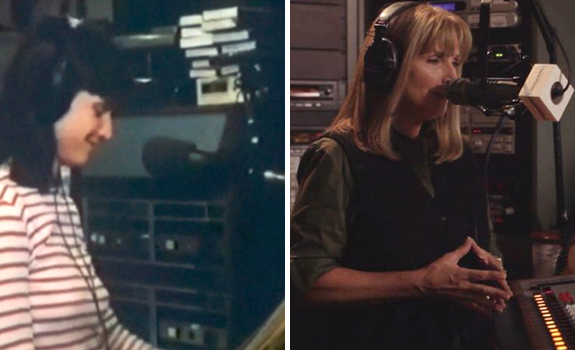
Meg Griffin at WRNW FM in NYC circa 1980 and at SiriusXM studios.

“I think people would be surprised to hear just about how conservative he was… at least musically. We did know more about music than him but the only thing I’ll say about that is… well, look, it’s all to make an interesting radio show…but he’ll sometimes say we acted really snotty about it and no, not at all. In fact at the time, I was the music director and I kept trying to give him new music to play. One time I gave him the Elvis Costello single, it was the ballad, early Elvis Costello, the song called ‘Allison,’ -it was an import, 45, with album art that had a picture of a woman, that was supposed to be the Allison in the song in a frame, and the glass is cracked. It was just art ya’know, and I just remember giving that to Howard and his response was like ‘-oh no, I couldn’t play this’-I’m just trying to figure this guy out. You work at a rock n’ roll station, this is a ballad, what’s the problem ya’ know?- But nobody was picking on him there.”

She went on to describe how she had been able to see Stern evolve over the course of his early career into the shock jock and self-proclaimed King of All Media he is known as today.

“If there was this wilder side to his personality back then, it wasn’t apparent yet. That came out later, he just realized, as he shows in that film, if he didn’t do something drastic to get attention then what was he doing it for… because he didn’t really get into to be a DJ. I think he slowly discovered that he got into it to be the main personality of the show as opposed to playing records.”

Playing records was exactly what Griffin was in it for however. From her first job in radio 1975 at that small house in the woods up in WRNR in Briarcliff Manor, New York where Griffin worked alongside Stern, she began playing records from artists coming out of the the emerging New York Punk scene.

“this is rock n’ roll man, that’s what the attitude is’… ‘it’s supposed to be rebellious’”

“We were mostly playing like the Beatles and Allman Brothers, and Fleetwood Mac and Steely Dan, and I was kind of getting bored with a lot of it, not all of it, but some of it was getting really overproduced…then this punk thing started to happen. It was actually a little bit before I started to work there but I kept going to see it all and to me it was just bringing everything back to the essence of rock n’ roll. I think that’s what the Ramones did when they first came along. Ya’ know when they first came out people thought they sounded outrageous. Now they might sound like a good pop band, but yeah, the (New York) Dolls, and the Sex Pistols and the attitude and to me it was like ‘this is rock n’ roll man, that’s what the attitude is’… ‘it’s supposed to be rebellious’ so yeah radio stations didn’t quite get it and I was playing it, but I was mixing it in, making sure every other record was something you’d know.”

“Ya’ know there’s a way to go from the Ramones to the Beatles, there’s a way to go to Patti Smith the Rolling Stones, bring in what they know and give them something new and keep that balance going. There were a few places where I took shit or was put in the doghouse or told to play a little less of it until finally they started to realize that my show was creating press for them. People were writing about it because it was new and different and all the New York papers knew about me and wrote about me and then the stations started to like it.”

Eventually Griffin built up enough notoriety to land a job at the famed WNEW FM in New York, a station as Griffin puts it “was a gig everyone wanted. It was free form and it was New York City. It was a really well known, well established radio station.” There while hosting weekend shows she received what some might call the opportunity of a life-time, the chance to be one of the original MTV VJ’s.

Twin Peaks//Artist Profile

We sat down with Jack Dolan and Clay Frankel of Twin Peaks to ask a few questions following their latest produced-in-Mass. album, sales “Down in Heaven”.

Screen Shot 2016-06-01 at 12.11.00 PM

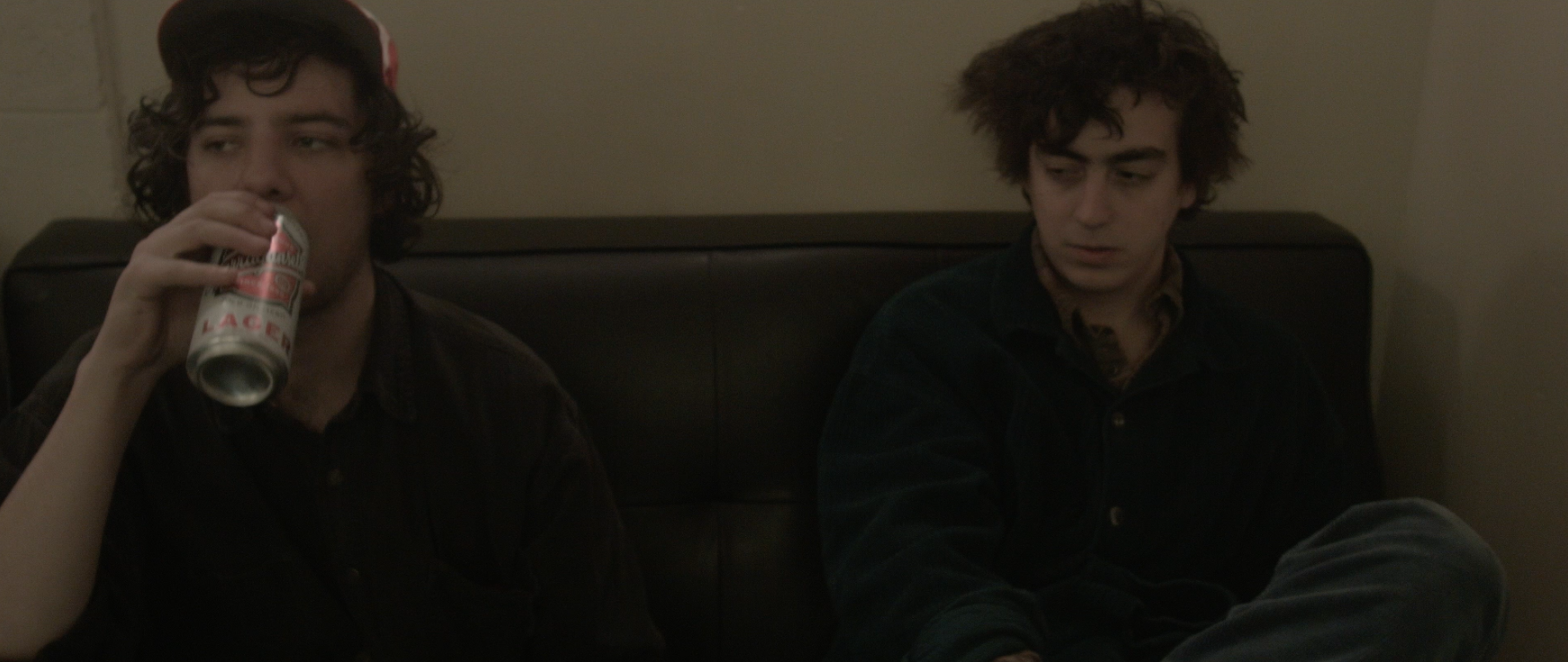
A lot of times shoots don’t go exactly as planned and filming with these guys was no exception. With 5 members in the band there are bound to be some wild cards, but what makes Twin Peaks so much fun is that each member is their own crazy character.

Screen Shot 2016-06-01 at 11.59.44 AM

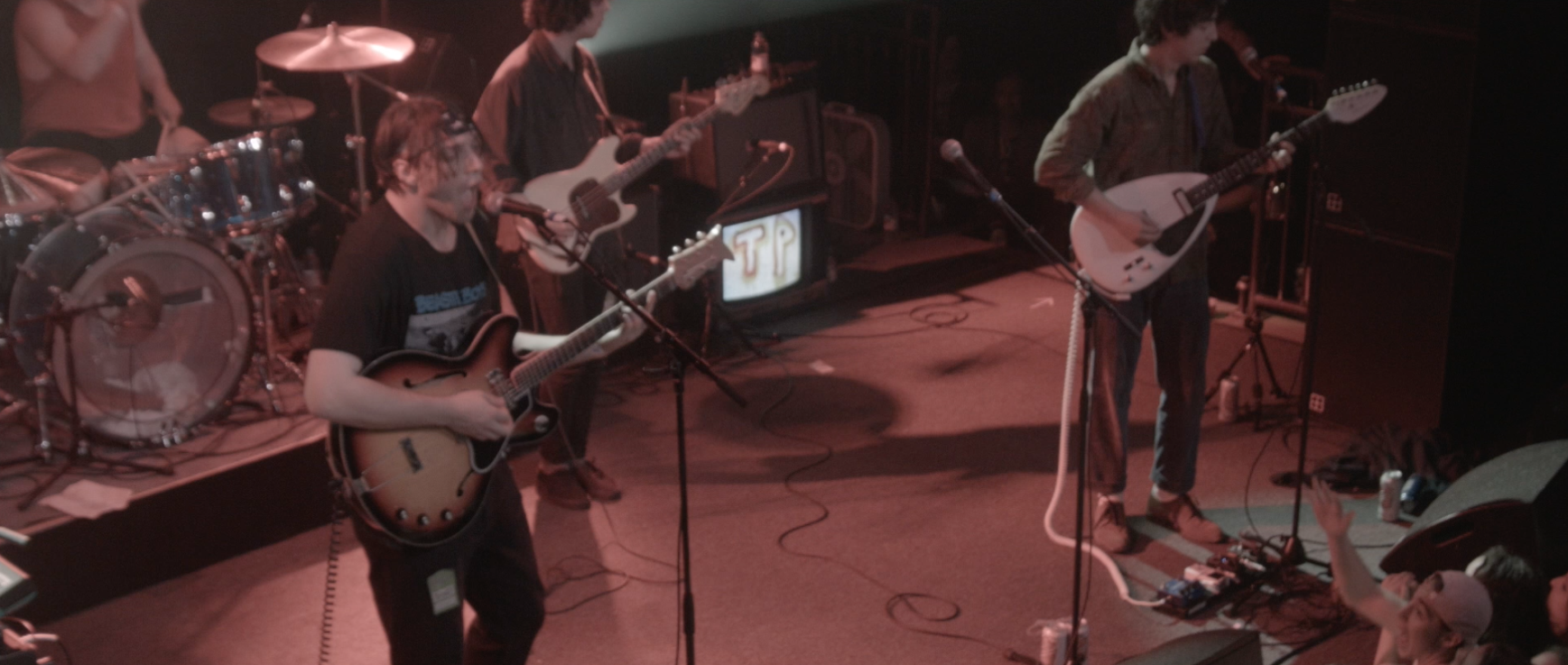
Reincarnating Rolling Stones-esque energetic love songs that could only be found in 60’s classic rock, Twin Peaks knows how to get the crowd dancing (and in the case of this show-crowd surfing fans being thrown off stage repeatedly by security).
When it came to for the interview, only two of the three lead vocalists, Jack and Clay were to be found. At one point keyboardist and drummer, Colin and Connor, reportedly ran off to Guitar Center in an Uber to get some new equipment within an hour of performing. Meanwhile, Cadien was nowhere to be found- or probably off buying cigarettes.

Twin Peak’s wild and fun personality is reflected especially in their latest release and the band knows how to put on a show.