All Extremes: Dilly Dally on the Complex Side of “Simple” Songwriting

Dilly Dally

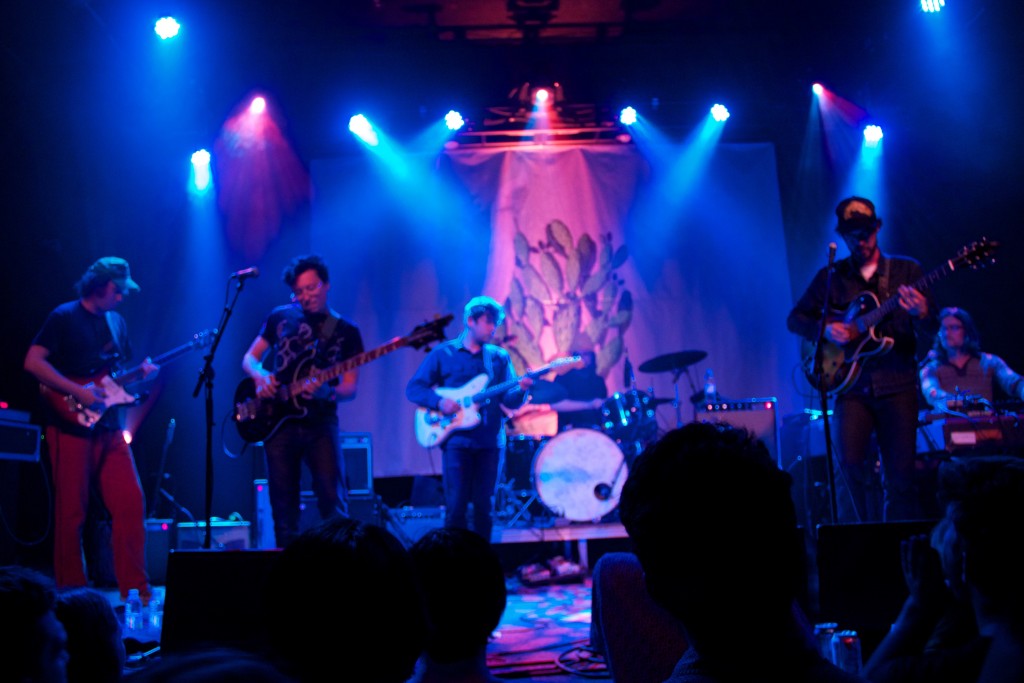
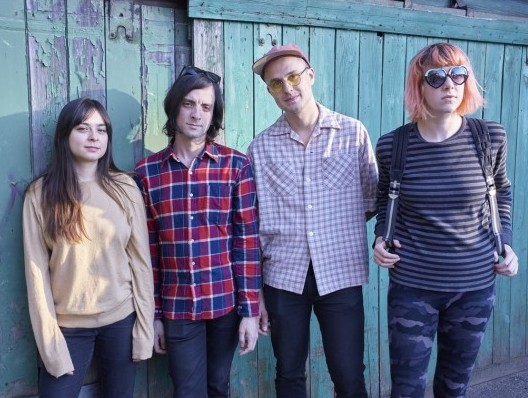
Disguised beneath spiky textures and jet engine intensity, Dilly Dally’s late 2015 debut, Sore, keeps its sensitive side hidden at first listen. From the opening “One! Two! Three! Four!” of “Desire”, vocalist Katie Monks’ serrated yowl is equal parts victory cry and exorcism, finding the shortest route to every emotional extreme. But beyond its jagged edges, Sore is a thoughtfully simple, pliable piece of art, written to wrap around the listener’s experiences and offer comfort in the spaces that more granular songwriting can’t fill. As a straightforward soundtrack for unraveling complex feelings, it won’t tell you what you want to hear, but invites you to find what you need for yourself.

Calling from a San Francisco taco shop on the first night of the band’s co-headlining tour with Fat White Family, Monks explains that embracing simplicity has been a part of Dilly Dally’s philosophy from the start. “We love music that lacks pretension, and it’s the hardest thing in the world to write a simple pop song that’s cool and good and honest, and that so many people can project their own shit onto, and to make it original, too… It’s just a tug of war to make it say what you want it to say. But creatively, it’s good to put yourself in a box sometimes so you don’t get overwhelmed.”

Defining those artistic boundaries was a long time coming. Born out of a high school friendship between Monks and guitarist Liz Ball, Dilly Dally began as pure teenage ambition, developing into a fervent pursuit after the pair graduated high school. Monks describes those first few years slogging away in Toronto’s basements and clubs, weathering near-constant lineup shifts, as equal parts difficult and formative– especially to the development of her trademark rasp. She credits most of her sound to hours spent experimenting with her voice in her parents’ acoustics-friendly bathroom, but admits that there’s also an emotional component that only came along after years of musical frustration. “I definitely worked toward this kind of shit that I sound like. It’s something that happened over a long period of time. After you have so many dishwashing shifts, and you have so many people fuck you over and hurt you, and you play so many shows to nobody– it’s just like after a while, even in Toronto when we’d go to these basement shows and there’s bands that are ten times more dark and disgusting and angry than Dilly Dally is… you just go ‘yeah, this is the feeling I’ve got right now.’ Your voice just gets a bit more rusty.” Her tone brightens. “It’s probably all the weed, too.”

Since those days, and with the addition of bassist Jimmy Tony and drummer Benjamin Reinhartz, Dilly Dally has become all about taking center stage without becoming the focus of its own art. While Monks’ lyrics feature autobiographical elements, she takes a wide perspective on her own stories to harness larger themes, leaving narratives open to interpretation and crafting songs as emotional skeleton keys. “It’s important and awesome to give listeners the ability to think about this stuff and let it be personal for them,” she says. “Music is personal and therapeutic, and at its best is empowering, so that’s the goal.”

As a result, she’s protective of Dilly Dally’s songs as subjects for listeners’ own projections, and is initially reluctant to discuss them in any detail out of concern that it’ll detract from that purpose. She later explains that each track stemmed from a moment when she wanted to “swim in a certain emotion”, and shifting gears, she offers a few loose descriptions. “‘Snake Head’ is all about when you’re frustrated and you feel a disconnect, like people don’t acknowledge you because you’re being emotional, about being in a PMSing mood. ‘The Touch’ I wrote after I had a friend tell me he was suicidal and I wanted to write a song to help him, like, ‘life is worth living’. ‘Purple Rage’ I wrote because I got fuckin’ rejected by someone I was in love with,  and you know what? It was in such a chill way. But you don’t like feeling rejected, so I wrote an empowering song about self-reinvention.”

Dilly Dally’s music is steeped in extremes, but Monks discusses it all with an unfazed candor that she attributes to the release of the writing process itself. Working toward a sound that turns pain into strength and strength into something superhuman, songwriting isn’t a chore for her; it’s a necessary daily outlet. As a result, she says that it has become one of her biggest challenges under the band’s extensive tour schedule. “It puts things on hold, and that sucks. It’s not like I’m like ‘oh shit, clock’s ticking, better deliver an album to our label’ or something. That’s not how it is at all. It’s just like ‘oh, my mental health is shitty, I need to be writing songs’. Aside from the biz, aside from all that shit, I just need to be writing songs for me, to function so I don’t go crazy and just look at my cell every two seconds. I’m just doing social media all the time. Which is like fun, it’s nice, but a little piece of my heart, a little piece of my soul is shoved underneath a bunch of rocks right now.”

Still, she says that the chance to perform nearly every night makes it all worth it. Immune to stage fright, the confidence that comes through in Monks’ vocals is genuine. “It’s always just been like, my home is on the stage. I don’t know why. I’m not like ‘oh, I was born to be on MTV’ or something, not Destiny’s Child or something, but I’ve always just been really wanting to be center of attention, I’m the youngest in my family, and have always just been really encouraged by my parents to be outspoken, and bold, and funny, and opinionated and kind of like a leader, you know? So I’ve always just grown up being like ‘me! Everybody look at me,'” she laughs. I get anxiety when I’m alone. I get anxiety when I’m not talking.”

Reflecting on the whirlwind six-month stretch since Sore’s release, Monks mentions that even though this will be the foursome’s second tour in support of the album, this trip is anything but been-there-done-that; it’s a triumphant return, and that’s only built the band’s enthusiasm. “It’s more exciting, because the record has had some time to sit, and people are telling us their stories about how the music’s really affected their lives.” True to form, she mostly keeps tight-lipped about the stories themselves, but if there’s any theme to Dilly Dally’s line of thinking, it’s that the details are often beside the point. “I don’t need to retell the stories, because it’s really the emotionality of it that I connect with,” says Monks, explaining that those conversations with fans tie back to her original hopes for the album. “It’s a celebration of emotions in a really functional, healthy way, and not totally a black hole of shittiness. Like, it’s all going to be okay.”

Catch Dilly Dally and Fat White Family tomorrow night (5/4) at Brighton Music Hall, presented by Allston Pudding. Tickets are still available.
Mitski Releases Single, “Happy”

Mitski

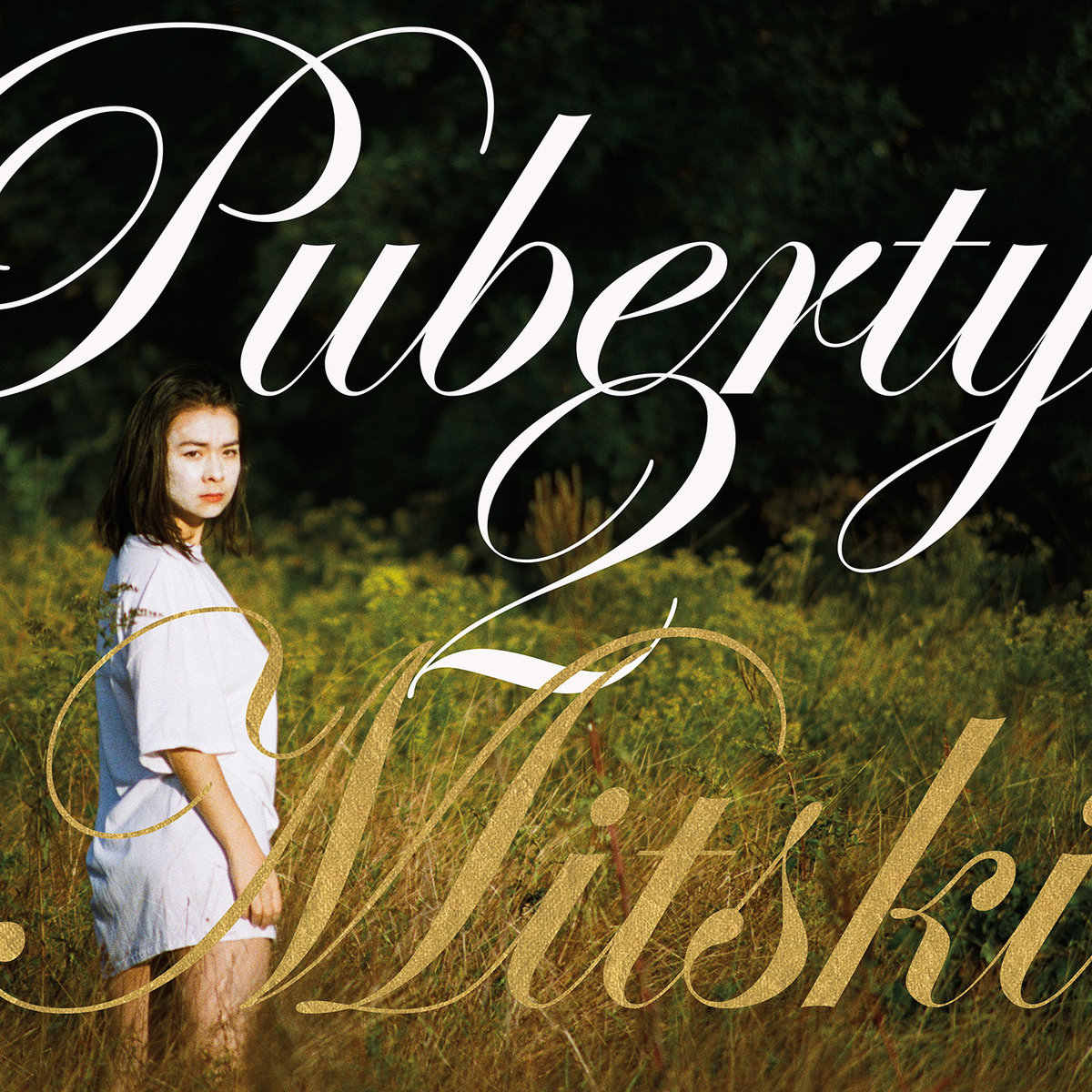
 Staying true to the rocky emotional territory of Bury Me at Makeout Creek and recent single “Your Best American Girl”, Mitski’s slated opening track from upcoming album Puberty 2, “Happy”, is joyous in name only. Built around the ultimate in melancholy double-entendres (Well I told him I’d do anything/ to have him stay with me/ so he laid me down/ and I felt Happy/ come inside of me), it’s an ode to the suspicion that happiness is just a setup for another heartsick moment. But while the lovelorn vibes are familiar, it marks an instrumental departure for Mitski, featuring glitchy metallic whirring and a not-quite-downcast saxophone melody. Give it a listen below, then catch Mitski live at Brighton Music Hall on June 22nd.

PREVIEW: Deep Shred Breaks the Internet

IMG_3570

“Fuckin’ tall boys / fuck these tall boys / fuckin’ tall boys,” is how Providence’s political rock group Downtown Boys explains one of the many gripes that come with experiencing live music. Concerns like physical safety, noise and harassment obviously threaten otherwise safe spaces, but they can also push out the purpose of those spaces altogether, blurring the connection between audience and musician, artist and listener. Stale beer, dark corners and the occasional mosh appear without a thumbs up, and visible gaps are hard to find as the surrounding basement fills. Shoulders grow closer. There’s all these tall boys in front. You stand on tippy toes, then on a chair as the following realization becomes more and more apparent: Your accessibility costs more than a $5 donation.

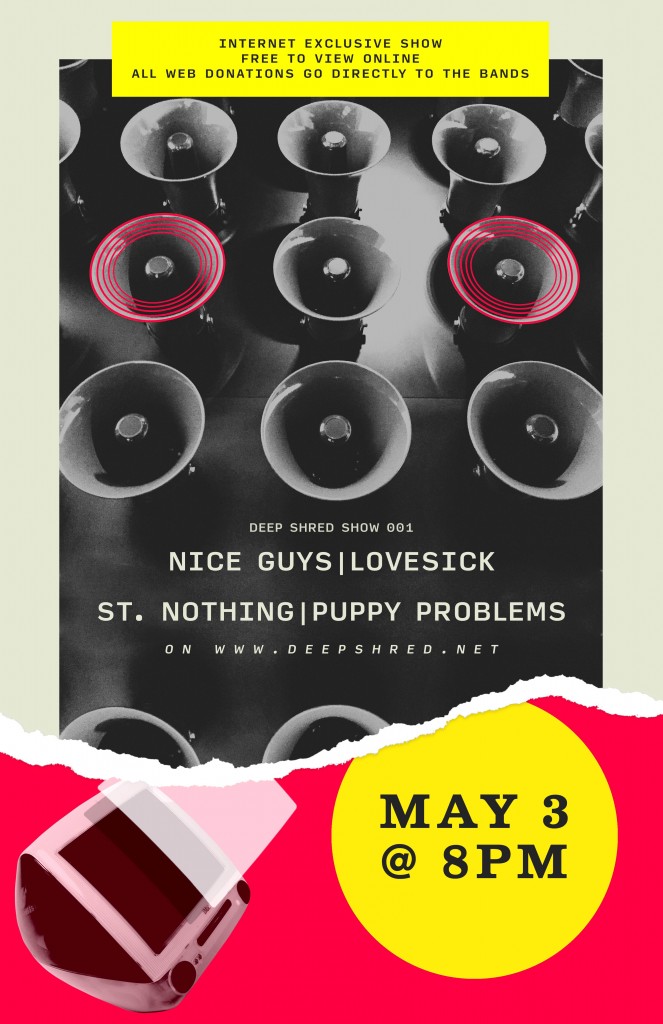
“Tall Boys.” Like the song, the beer size, and Nick Regan and Kyle Briody’s inspiration for creating Deep Shred: an all-inclusive online space for streaming local shows and avoiding what we sometimes hate about them. The website goes live Tuesday with a stacked bill featuring Nice Guys, St. Nothing, Puppy Problems and Lovesick (Providence).

“The name is kind of inspired by the phrase ‘deep web,'” says Regan, who brought up the idea to Briody midway through March. Conveniently, the two are co-workers at a secondhand electronics store. “I’m such a geek. I love the internet and think it’s the greatest tool to ever be invented, but there are hard-to-access points that are called ‘the deep web.’ I wanted to convey this underground, DIY aesthetic on the site so that’s where the name comes from.”

With the help of local artist Alex Judd, who Regan calls a “sound wizard,” Deep Shred shows will be accessible by phone, tablet and browser so attendees can comfortably listen whenever, wherever and with whomever they please.

Deciding “with whomever” is a big one for the team. Aside from issues of theft and police confrontation, a lot of the motivation behind this project is in reaction the to general anxiety that comes with entering a venue. Social stress objectively sucks, and that’s a fact hindering plenty of people from even walking through the door.

“I would love to go to Boston Calling, or crowded basement shows, but sometimes it just freaks me out,” says Regan. “The site is also for people who deal with issues like that much more severely than I do. I know a lot of people who would love to go to see a band in a crowded basement, but it’s too stressful or anxiety-causing for them to come out.”

Also, the empty venue will leave room for a greater focus on visuals than at your average Allston show. Projections and lighting will layer over artists, furthering the experiment of Deep Shred as a virtual space.

But despite the screen and mission behind it, Regan says the project is inspired by local music as it still is. The bills will feature artists we’re used to stepping into crowded homes, compromising our eardrums, and making bus trips for anyway. That said, these hurdles shouldn’t be necessary for full listening and, in fact, aren’t. Pushing them aside, Regan says, is a choice.

“When we lose the ‘tall boys,’ we lose everybody,” says Regan. “It’s kind of a pro and con because you’re losing the experience but you’re also losing the aggressive people and situation that can ruin your fun.”

Stream Deep Shred’s first show at www.deepshred.net at 8 p.m. next Tuesday. 

INTERVIEW: Dopapod

Dopapod2015PressPhoto

Arguably the biggest Boston jam heroes of the past few years, Dopapod are coming home once again. Founded by four Berklee students in 2007, the band built a solid musical footing fusing progressive rock and funk influences with modern electronics for a pleasantly wonky, consistently driving sound. Presenting a lively semi-improvised set which hits the right balance between polished and loose, professional and playful, Dopapod tours a dance party that’s accessible to a range of music fans.

Since making the Boston Band Move to Brooklyn (as is tradition), the band have built a massive following in the Northeast as well as becoming become mainstays on the national festival circuit. With acclaimed appearances at everything from the smaller fests like The Werkout to regionals like Catskill Chill and Peach to big dogs like Bonaroo, they have done an excellent job making their groovy presence felt by the masses. With a busy festival season on the way, as well as the promise of a new album in the near future, Dopapod looks set to have a big 2016.

This weekend, Dopapod hits the Sinclair for their three night homecoming residency. We chatted with guitarist Rob Compa ahead of the gigs about his time in Boston, touching on the Berklee experience, house shows and his favorite spots in Allston.

Allston Pudding: Can you tell me about your experience at Berklee?

Rob Compa: As of next month, it’s ten years since I started there. I didn’t graduate- that’s sort of the story of Berklee, that no one graduates- but I went for 4 semesters and it was great. I focused on guitar playing when I was there, which might not have been the smartest thing in retrospect. I could have learned about recording and production and arranging horn parts and all this other crazy stuff, but as a 19-year-old all I cared about was becoming a better guitar player! That was basically all I did while I was there.

If I hadn’t gone, though, I wouldn’t have met the guys in the band and I wouldn’t be here right now. That was sort of the most important part: the other students that you meet. I almost feel like you learn more from them than from the teachers if you have an open mind.

AP: Would you say the band came together because of everyone going to Berklee or more because they were part of the scene that surrounded Berklee?

RC: It’s hard to say. I feel like there’s lot’s of bands that start at Berklee, and everyone’s in like 20 bands, and a lot of them sort of feel like Berklee bands. Ours never felt like that to me, even though we all went to Berklee. We didn’t just play recitals at Berklee. We wanted to go out, and we were even willing to skip classes to take gigs. We relied a little less on the Berklee atmosphere than booking our own gigs and traveling a couple hours to play shows and stuff like that.

AP: Were you mainly playing house shows or traditional venues?

RC: We started off mainly playing venues and nobody showed up because why would they? No one know who we were and we honestly weren’t that great of a band yet. We took a different approach and for a year all we did was play house parties. There’s always people at house parties and they’ll hear your band whether they want to or not.

We started doing that and there would always be people in the room. But we’d do that and then try to play a club show and still nobody would show up and we didn’t no why. Finally we figured out the code that cracked it: we got stickers! We would play a house party and then all those drunk kids the next morning would have these stickers in their pocket and they’d go “oh yeah, that’s the name of that band I saw last night!”

After that I remember we played one house party where the cops showed up and broke the whole thing up after 3 songs and everyone was bummed out. We thought “maybe this is a good thing; let’s wait and see!” A month later we played at Harper’s Ferry, which is now Brighton Music Hall, and it was sold out. When the cops showed up people didn’t get to hear a show so they thought “we’ve gotta see them again next time.” The next time was a real club show and it was packed out!

AP: Since your time in the city, police have been cracking down a lot more on basement/house shows. Do you think it would have been more difficult for you to build a following without those performance opportunities?

RC: Definitely, yeah. At least in Boston, since we had some other towns where we were doing okay. But Boston was a hard one. Doing okay is pretty relative- we were doing okay for a band of 20-year-olds so if there were 40 people there we were happy.

But if we hadn’t been able to do the house party thing I don’t know if we would have developed. It’s hard to say though; maybe it would have just taken longer. But I think, if anything, it was a pretty great shortcut to developing a fanbase around the town.

AP: You lived around Allston for a while. Did you have any favorite spots?

RC: I hung out at Mr. Music pretty much every day! I got the impression that some of the dudes were a little mad that I was the kid that would show up every day and never buy anything, but a couple of the dudes knew me by name and they didn’t care at all. I’d show up, hang out all day then say “oh crap, I’ve gotta get to work!”

Also that indoor market that’s just different Asian food places… Super 88! And Twin Donuts was a constant fixture for us. Especially after playing a house party; we’d roll in there at, like, 4AM and the staff would be miserably tired and grouchy but we’d just say “hi!” That was definitely a regular hang.

AP: Are you going to try to visit any of those while you’re back?

RC: Definitely Mr. Music. That will happen. I don’t know what else. My girlfriend’s coming to these shows too so I’m going to drag her around all the old haunts.

AP: How do you balance the written songs in your sets with the more improvisational elements?

RC: We have specific songs that are the “improv” songs of the set usually, and we space it out so that there’s not too many really long improv sections in a row. I don’t like it if there’s nothing but jamming in a set. I love jamming, but after a while I need a three minute song; a palate cleanser.

Also, for us, if we improvise too much by the end of the show we’re just out of ideas. It’s a variable resource and we want to spread it out through the course of the night so hopefully all of it is passionate and filled with intent instead of us being like “we’re tired, we’ve got nothing left, let’s get it over with.”

We also never really play the setlist as written. Maybe it’ll be a little, maybe it’ll be a lot but it’ll always change to some extent while we’re playing. A lot of times it means we won’t finish a song because we’ll drift off into some other song. We don’t really talk about it, it just sort of happens. We used to talk about it, but now it happens accidentally and organically, which is what we want. That’s part of the fun of the performance for me- going song to song and never stopping. We’ll transition into some song and all of a sudden we’ll have been playing for an hour with just two songs.

AP: Are there any intricacies or challenges to putting together improvised sets like yours that fans might not think of?

RC: When putting together a setlist like that, a thing in my head is putting songs next to each other that might have the opportunity for an improvisational segue. I’ll think if the keys relate in an okay way, and if there’s an easy way to get from one tempo to another. But you want to do that without two tunes next to each other being too similar, since that would just be boring.

There are different ways to put together a setlist. You could start small and have things get more dramatic over the course of the night, sort of like how a DJ might design a set. More often than not though our sets are a bit ADD. We’ll do a little bit of this, then do something different, then do a little bit of that. It’s less linear and jumps around.

AP: How do you split up setlists when you’re playing to some of the same people for multiple nights in a row?

RC: It’s easier than it used to be. We have enough songs that we don’t really need to worry about it. We don’t repeat anything but we will try to do some creative things like start a song one night and finish it the next night to add some theme of continuity throughout the run.

AP: How have the dynamics in the band changed over the past few years?

RC: I think our writing has become a bit more collaborative lately. I enjoy that. I feel the songs are more interesting when we’re all working together versus someone just bringing in a demo. I guess also as years go on we have people taking care of the business end of things for us. We don’t have to worry about it so much and we can just worry about playing together. But we’re all getting a bit older and getting more relaxed about things. It’s a bit easier to get along and do what we do.

AP: This isn’t your first time doing the Boston residency. Would you say there’s a different feeling to the homecoming shows than other sets your guys play?

RC: Totally. We did the three night run in Boston last April and those were my favorite shows of the year. In your hometown it feels like everyone’s rooting for you and anything you do they’re going to be okay with. I feel like you could get away with murder up there. That’s pretty liberating for a band that improvises and does whatever they want!

Dopapod kick off their residency at the Sinclair tonight, 4/28, with openers Aqueous. Three day passes are sold out but individual tickets to that show, as well as Friday’s performance with Haley Jane and the Primates and Saturday’s with Strange Machines are still available.

Converse Unveils Next Rubber Tracks Featuring Deerhunter, Mini Dresses

converse deerhunter

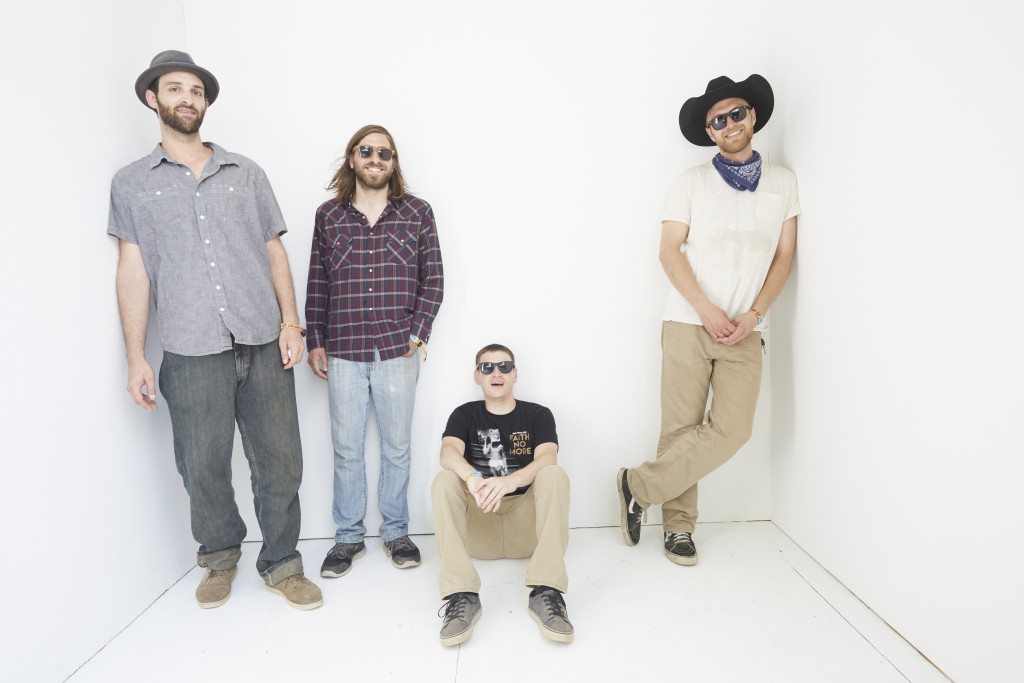
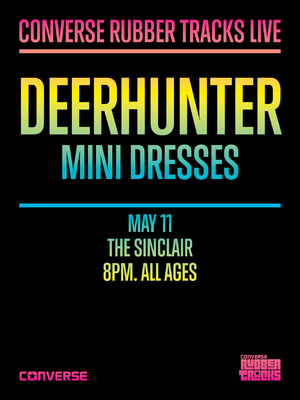
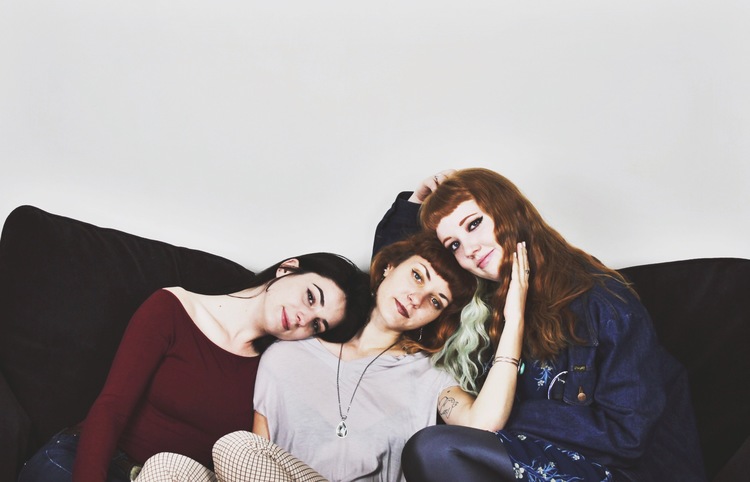
Converse is back with its monthly series of free shows, treatment drug Rubber Tracks Live. Keeping with its tradition of pairing incredible national and local acts together, seek story the concert series has booked Deerhunter and Mini Dresses. The show will be held at the Sinclair on May 11 and is all ages.

Read our interview with Mini Dresses here.

Tickets are up for grabs at noon on Thursday, 4/28. RSVP here.

PREMIERE: Saccharine’s “Smolder”

2016-04-20 18.02.01

Between an already-chatty crowd and the way a bar tends to react when an acoustic act finds its way on stage, watching Kevin King, who performs as Saccharine, recently in Jamaica Plain was like witnessing a Sisyphean display of perseverance.  

I mean, the boulder in this case was some dude debating Tom Brady’s suspension with his friend the entire set, but honestly, I’d prefer an actual boulder if I were Saccharine. Surprisingly, King seemed to take the challenge in quiet stride.

It certainly doesn’t hurt that his solo material has hit the kind of sonically spacious, but richly emotional bullseye that Kevin Devine and William Fitzsimmons have built their careers around. While previously fronting the short lived emo outfit Maura, King aimed closer to Devine pal Jesse Lacey’s sneering delivery, but Saccharine is all sincerity on his debut full-length, this May’s We Both Became The Sky.

A song like Sky’s leadoff single “Smother” blooms with keys and percussion, but the focus never shifts from King’s aching rasp. “The air that’s keeping me breathing is the predator and I am the prey,” he bemoans in one of the more downtrodden of the album’s many heart-aching admissions. Saccharine appear to making plays towards full band territory with Sky, but its strength comes in its ability to show King front and center as one of Allston’s most compelling singer/songwriters.

As for Deflategate debates going forward, I say they’ll have no choice but to be put on hold if King’s on stage.

We Both Became The Sky is out on May 20 via Disposable America, but is available now for preorder here.

Lady Pills Announce Debut Album

LPband

We’re still jamming to Lady Pills from our winter mixtape, but lucky for us, the local trio’s already moved on. This morning, DC-based label Babe City Records announced signing the band for its debut album, Despite, due out later this summer. While that’s all that they’re giving away at the moment, Babe City has promised that tour dates and singles aren’t far away. In the meantime, you can catch the band opening for Eskimeaux on May 12th, or at Boston Calling Music Festival over Memorial Day weekend.


REVIEW: White Denim & Sam Cohen (Sinclair 4/22)

IMG_9717

With a revised line up and a little help from Sam Cohen, viagra Austin, Texas progressive-garage rockers White Denim absolutely crushed a show at the Sinclair this past Friday.

A few years ago White Denim’s rise to prominence in the indie rock world was something of a buzz. 2013’s Corsica Lemonade, an album co-produced by Wilco’s Jeff Tweedy and had portions recorded at the famed Chicago loft, finally garnered them some deserving attention as one the more dynamic rock acts of the 2010’s.

Two years later, the hype around White Denim and their newest record Stiff has cooled down but very quietly they’ve continued on as one of the best live straightforward rock bands consistently touring. Stiff is more hasty but just as soulful as Corsica Lemonade and full of songs primed to be torn through in the live setting. Equipped with some fresh faces (guitarist Austin Jenkins and drummer Josh Block have taken on Leon Bridges to catapulted fame) the band was looser and more dynamic than the previous quartet, adding Mike St. Clair on keyboards, Jeff Olsen on drums and Jonathan Horne on guitar. The now five piece is still held together tightly by lead singer James Patrelli and bassist Steve Terrebecki  who have also found a really special touring mate in Sam Cohen. Cohen, has not only been been billed as the opening act for the Stiff tour, has been consistently sitting in with the group since the tour started, including a late night television appearance on Jimmy Kimmel of them doing a rendition of Steely Day’s “Peg

During Cohen’s opening set, he reminisced about some of his Boston roots. The multi-instrumentalist Berklee alum and founding member of former Boston based band Apollo Sunshine has stepped out from behind the Yellowbirds moniker to front his newest solo project. His bands sound captures much of the indie and alternative rock elements of his past bands funneled through a more ambient psychedelic lens that gives him just enough credibility to live in both the indie and jam worlds. This is where he seems comfortable and nowhere is this more evident than from his recent participation in The National’s project that recreated the music of the Grateful Dead with an indie flare. In addition, he’s also getting recent praise for the production of Kevin Morby’s latest gem Singing Saw.

Cohen’s set definitely lived up to his credentials. His songs have an ethereal vibe on straightforward garage rock songs that expand into ambient jams of layered synthesizer, delay and reverb effects all combining to show off his prowl for song structure and composition. Much like White Denim, some songs appear to be free form improvisations while others are carefully crafted straightforward rock songs. His closing number “Let the Mountain Come to You” being a combination of the two.

By the time White Denim took to the stage the nearly sold out Sinclair seemed to be brimming with Friday night excitement. The new five piece wasted no time showing off the speedy progressive rock arrangements that White Denim has become known for. The bands new configuration definitely seems to highlight Patrelli as a front-man vocalist and his soulful singing on the new tracks from Stiff is quite possibly his best vocal display to date. Bassist Terebecki was also in the forefront as an anchored veteran centerpiece whose bass playing skills are certainly fun to watch. Tracks like “Ha Ha Ha Ha, Yeah” and “Had to Know (Its Personal) from Stiff play like more polished and soulful versions of their uptempo early work. Without much a breath in between the band ripped through a sixteen song set packed with material from their decade long career. The crowd fed the most off of live staples like the rocking “I Start to Run” and the rowdy “Shake Shake Shake” but there were also plenty of dueling Allman Bros-esque guitar solos, jammy segue-ways and a few soulful ballads that mellowed people out.

However solid the regular set was the encore was truly something to behold. It kicked off with the somewhat predictable and flawless version of Steely Dan’s “Peg” with Sam Cohen back up on stage. Then as the rest of Cohen’s band made their way out, the crowd began heckle for a “Purple Rain” Prince tribute. Little did they know a Prince tribute was on the way, but not the an emotional one “Purple Rain” would invoke. Instead what they got was an absolute get down fire version of “Delirious” followed by a flawless “Controversy.” The cherry on top was an epic Cohen guitar solo from “Lets Go Crazy.” It was almost safe to say at this point that Sam Cohen’s presence not only as an opener but as a utility guest pretty much made this show exceed any normal White Denim expectations and the fact that he and White Denim both nailed this Prince covers with only a day of preparation was a testament to their musical prowl and skill.

Slide 1
Slide 2
Slide 3
Slide 4
Slide 5
Slide 6
Slide 7
Slide 8
Slide 9
Slide 10
Slide 11
Slide 12
Slide 13
Slide 14
Slide 15
Slide 16
Slide 17
Slide 18
Slide 19
Slide 20
Slide 21
Slide 22
Slide 23
Slide 24

PREVIEW: Kids Like You And Me’s Rama Lama Ding Dong

KLYAM RLDD

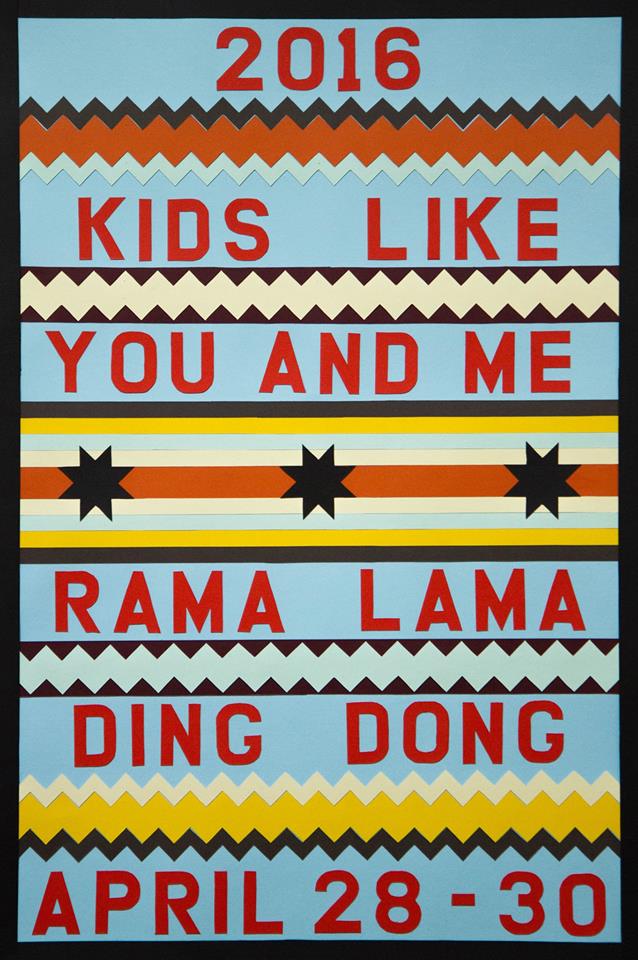
festival poster by Melanie Bernier

For Kids Like You And Me, it seems like things can’t be working out smoother. What started out as a blog run by Chris DeCarlo and Glen Maganzini as tribute to their favorite rock n’ roll acts has gradually morphed into an active presence in the Boston music scene. Kids Like You And Me now book shows and run their own record label.

Now, the two are trying their hands at a local festival. The Kids Like You And Me’s Rama Lama Ding Dong is a three-day event taking place this week from April 28-30. The name Rama Lama Ding Dong is a tribute to their love of 50’s doo-wap and rock n’ roll.

Inspired by an outing they had to Fuzzstival, the festival is the fleshed-out product of a list the two made of their dream bill.

“Glen and I always have a million ideas, and most of them never come to fruition.” DeCarlo said in a phone interview with Allston Pudding. “I have these fantasy show ideas… it can be almost impossible to make it the vision you have in your head. But that’s always sort of the goal.”

“We want to create a really positive atmosphere but also, in a personal way, I just love the idea [we’re] curating [our] ideal show.”

Names on the bill include locals like Black Beach, Beware the Dangers of a Ghost Scorpion!, and Nice Guys, but also include lesser-known regional acts like Scully and Mike Mountain. Also playing are bands such as Guerilla Toss, Littlefoot, Kal Marks, Ursula, and The Monsieurs.

“A huge inspiration for us is just a lot of the festivals coming up in the last few years,” DeCarlo stated, naming Boston Fuzzstival, Hassle Fest, BUFU Fest, and Fool’s Fest as some of his favorites.

“First and foremost, like all of our shows, we just want people to have a good time” said DeCarlo. “We want to create a positive atmosphere, have people feel like they’re included and that they can participate.”

KLYAM are hoping to give back to the Boston scene that they’ve found so welcoming over the years. Maganzini and Decarlo live just outside the city, so seeing shows has always been a commitment. They made this fest knowing others are taking the time to be there, maybe some strenuously so. They wanted Rama Lama Ding Dong to be worth it.

Though they seem to be getting more professional about their involvement, the two are still kids at heart. The fest is simply an invitation to party to some rock n’ roll. Check out the full lineup below.

Kids Like You And Me’s Rama Lama Ding Dong

Thursday 4/28 (Club Bohemia) 8PM – $8 – 21+

  • Funeral Cone
  • Second Becky
  • Andy California
  • Mike Mountain
  • G. Gordon Gritty

Friday 4/29 (Middle East Upstairs) 6PM – $12 – 18+

  • The Monsieurs
  • The Prefab Messiahs
  • Nice Guys
  • Littlefoot
  • Scully
  • Black Beach
  • Future Spa

Saturday 4/30 (Middle East Upstairs) 3PM – $14 – 18+

  • Guerilla Toss
  • Ursula
  • The Barbazons
  • Johnnies and the Foodmasters
  • Kal Marks
  • Beware the Dangers of a Ghost Scorpion!
  • Electric Street Queens

You can find the event page for the festival here, and purchase tickets here. Two-day passes are available for $20.

PREMIERE: Carinae

258e3cd9-7d1f-4eb0-bd7a-290e1da5eb22

Hailing from the musician rich stomping grounds of Western Mass., Carinae makes music just as explosive and celestial as the constellation they’re named after. On their first EP Etathey have jaunty, jangly guitar riffs and rapid-fire vocals that trip over themselves at times. “The first track on the EP, ’22/23,’ tells a story of our former alien selves being destroyed in a supernova and being reborn as humans on Earth with no recollection of lives past. We like space and we would say that influences our sound along with other countless influences and the strong music community that is Western Mass.,” drummer Gabe Camarano said.

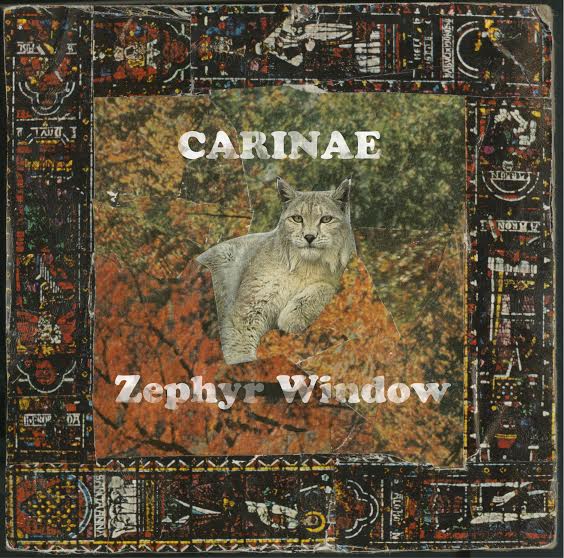
Eta’s sunny disposition is overshadowed by the sheer force and range of which Carinae pushes their limits on Zephyr Window. Churning, fuzzed up guitars and drums racing at breakneck speed flaunt the musicality of the band while giving the lyrics time to explore their subjects. Repetitive rhythms and modulation galore help perpetuate their psych rock sound. If you were lucky enough to catch their set at Out Of The Blue last Tuesday, Carinae’s sound is entrancing live. And that magic comes through on Zephyr Window, which Camarano said was recorded and mixed, start to finish, in ten hours at Sonelab in Easthampton. “After taking over a year to release our first album we had just finished an EP in hours, the contrast was refreshing,” he said.

You can stream Zephyr Window below.