Nnamdi’s Rich Energy


It you haven’t heard of The Last Dinner Party yet, it’s time to listen up. You don’t want to be late to this one.
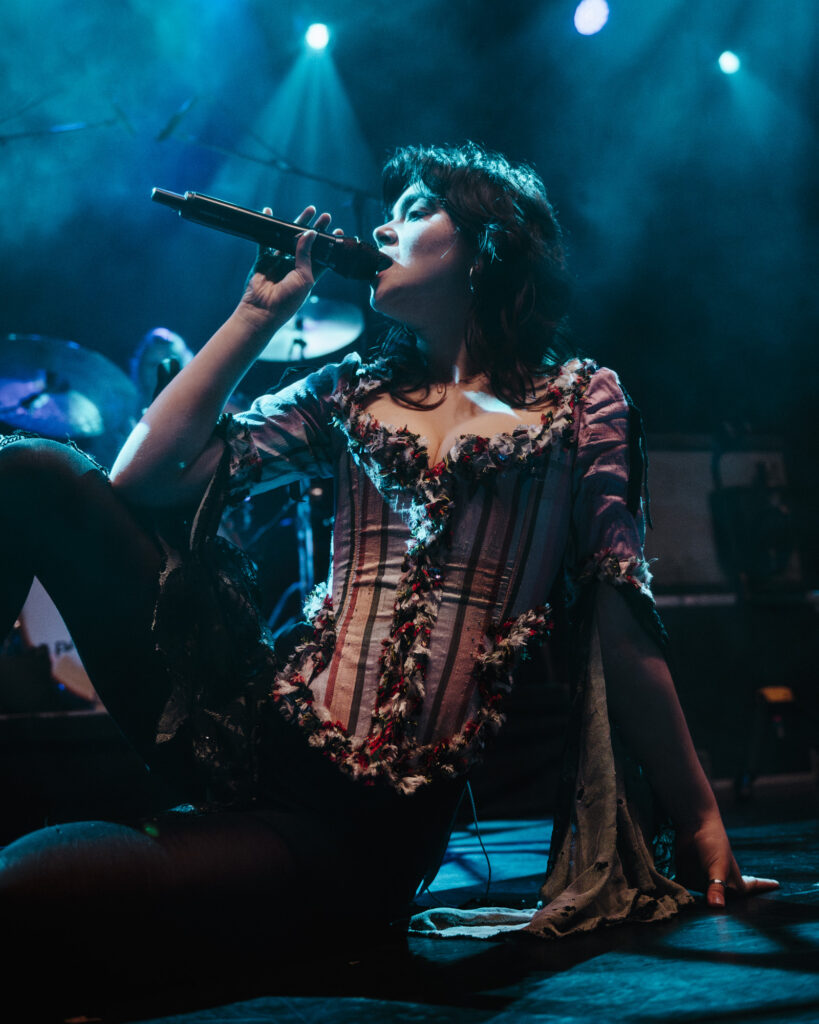
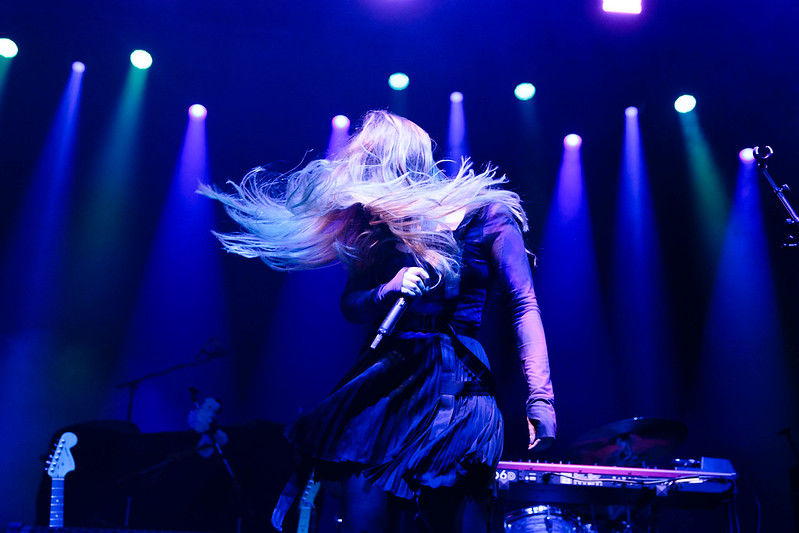
The UK-based band seemingly popped out of nowhere, but their recently released debut album, Prelude to Ecstacy, is so polished and refreshing. The album is theatrical, powerful, and is fueled with emotion while still being full of some seriously danceable songs. Some tracks are reminiscent of legends like Queen and Fleetwood Mac while others feel like they fit right into the femme-pop world of Chappell Roan and Lana Del Rey. However, The Last Dinner Party are in a world of their own and they introduced that world to a sold-out show in Boston on Sunday night. The female quintet showed no signs of being new to the game. Their stage presence was electric. The crowd sang along to every word from the album, which was played in its entirety. At the end of the set, the band looked innocently astonished at the packed room that had erupted in applause. It’s doubtful they’ll play at a venue this small again, so it made the set feel that much more intimate and special.
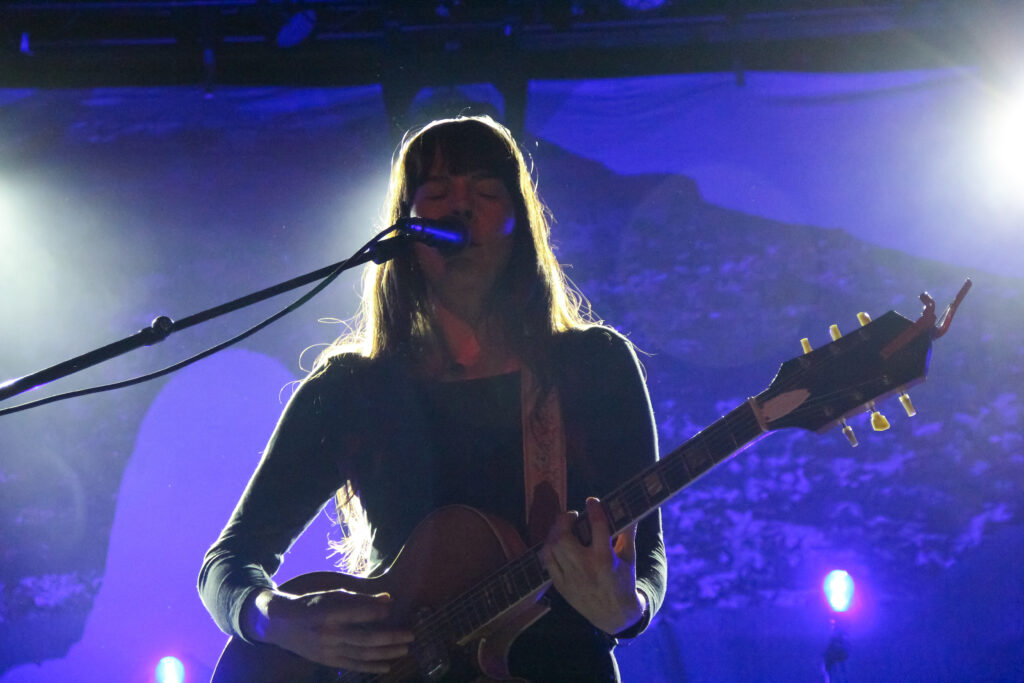
Check out photos from their set below, as well as a couple from the night’s opener, Miss Grit.

What a victory lap for the dads. It’s a miracle that last Friday’s mclusky show at the Sinclair even happened, everything considered. The reformed Welsh post-hardcore band celebrated twenty years of their classic sophomore album Mclusky Do Dallas, but American shows proved a challenge. The album is now twenty-two, with shows delayed by COVID and singer Andy “Falco” Falkous coming down with severe tinnitus (something this writer is all too familiar with). But the show did happen, and it was a downright blast.
Providence group Minibeast kicked the show off, a band that features original Mission of Burma drummer Peter Prescott on guitar and vocals. The band played a set of lengthy, fluid songs that eschewed traditional structure in favor of experimentation and bombast, like a more palatable Lightning Bolt. Prescott was fun to watch, managing to handle vocals, guitar, synth and audience banter simultaneously. But, the real power was in the rhythm – Niels Lawhite on bass and Keith Siedel on drums, who propelled these songs well into manic territory. Quite bluntly, the set rocked. The band both confounded and exhilarated the incoming crowd, who were taken aback by the band’s unconventional stage presence and frantic songs. Mission of Burma was surely an influence on mclusky, so including Minibeast on this show was a nice nod. Another dad victory.
In between these bands of lifers came another act, with a great name: The Martha’s Vineyard Ferries. The band played much more straightforward rock, alternating between short bangers and longer, midtempo songs that sounded a bit like Falco’s other band Future of the Left. While the band was definitely the most relaxed of the three acts, it was easy to see why they fit in – the songs the Ferries played had many hints of heaviness, and some tongue-in-cheek lyrics, namely on songs like “She’s a Fucking Angel (From Fucking Heaven).” The band’s midtempo jams were a nice palette cleanser in between two bands who brought constant heat, and the audience was receptive to the band’s unique and diverse songs.
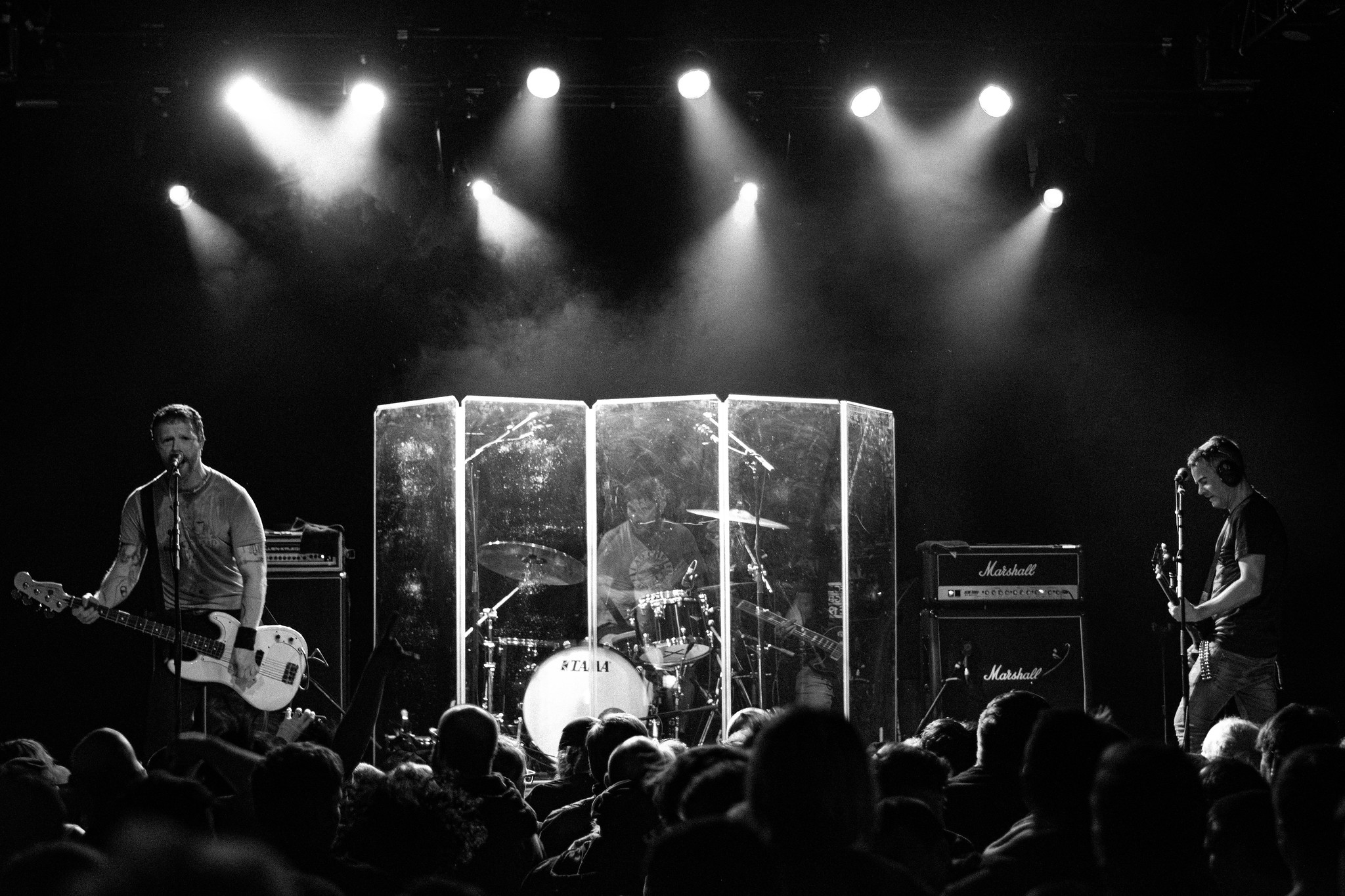
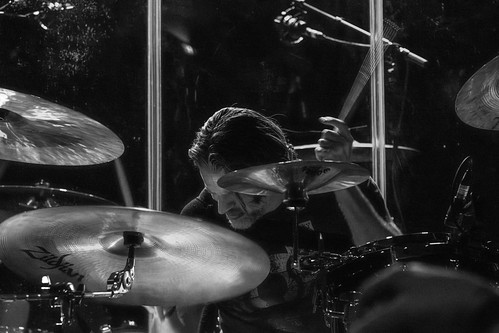
All signs pointed to an odd mclusky set. The drummer was staged behind glass panels as if it were an arena show and Falco had on protective headphones – both sacrifices of tinnitus. They opened with one of their softest songs (“Fuck This Band”), and came out to a damn Disney song. Naturally, it didn’t last. Within minutes they were ripping through “Dethink to Survive” and “Collagen Rock,” with the opener acting as a red herring. The band roared through 20.5 songs through an 80-minute set, which got looser as it went on. Falco called an audible and decided to swap out “That Man Will Not Hang” with the B-side “No Covers,” only for both Falco and bassist/singer Damien Sayell to forget their parts, opting to play “Hang” after all. This sort of ad-hoc looseness was classic mclusky, and endearing to the crowd.
Falco was also, predictably, a riot. He introduced “You Should Be Ashamed, Seamus” as the best song in the set – and he was right. He also told the crowd that “Unpopular Parts of a Pig” was a new song, in case anyone needed a drink break. He dedicated one song to all the babysitters working that night, and jokingly got into it with fans over British/Boston relations. But he got serious when things mattered, leading the band through a legendary, rip-roaring set. The band played 11 songs from Mclusky Do Dallas, most of the album and a slight majority of the setlist. They also played all four of the new(ish) songs, boisterous compositions that fit right in with the 15-year-old tracks. They ripped through violent classics like “Without MSG I Am Nothing,” “To Hell With Good Intentions,” “Alan is a Cowboy Killer,” and “Lightsabre Cocksucking Blues,” their biggest song and one of this writer’s very favorites. The band had massive mosh pits running throughout the set, and often looked like they were themselves running on the edge of exhaustion. They could not have physically brought it any harder.
All in all, it was one hell of a set. The band has been through a lot – a 2005 breakup, a 2014 reunion, lineup changes, global health emergencies and internal health emergencies. And yet, mclusky plods on, and a lot of people in my age bracket who just missed their original run got to see a dream come true. The anger party stretched past midnight, fittingly ending on the final song from Do Dallas, “Whoyouknow.” The future may be bright for mclusky – new songs bode well. But those in attendance cherished this once-impossible opportunity, and the band delivered above all lofty expectations. We’re all getting older, we need to rock while we still can. This isn’t dad rock, it’s dads that rock hard. Ferocious, loud, funny, and running deep into the night – mclusky delivered a legendary set.
Check out all of Harry’s photos from the show below.

Commandeering the stage ahead of a British invasion, Daisy the Great filled MGM Music Hall at Fenway with energy and light. Playing a majority of songs from their 2022 sophomore album All You Need is Time, the band brought new energy to their breakout hit “The Record Player Song,” and twirled and shimmered to “Glitter” and “Time Machine” while they jammed on stage. Singer-songwriters Kelley Dugan and Mina Walker joked with the crowd in between tracks, musing whether their sound would change were they called “Daisy the Grape”. Altogether they were an energizing opener, priming the crowd for more wonderful things to come.
The Vaccines took the stage later on Friday night, playing classic songs from What did you Expect from the Vaccines, like “Post Break-up Sex” and “If You Wanna” but adding in new tracks from their newest album Pick-Up Full of Pink Carnations. The Kooks brought the crowd back down tempo by opening with “Seaside” off of their quintessential 2006 album Inside In/Inside Out, but bringing them right back up again by demanding a singalong to “She Moves in Her Own Way”. What a way to ring in the weekend!

On what is hopefully the last freezing night in Boston for the winter, Madi Diaz stops by The Sinclair on February 29th while touring her new album, Weird Faith. The audience possesses a wide age range, with a few members dressed in nods to Harry Styles after Diaz’s involvement in Styles’ beloved Love Band last year. To open the show, Olivia Barton enters the stage to perform a welcoming acoustic set where she frequently interacts with the eager crowd and even brings out Diaz to play a song they wrote together.
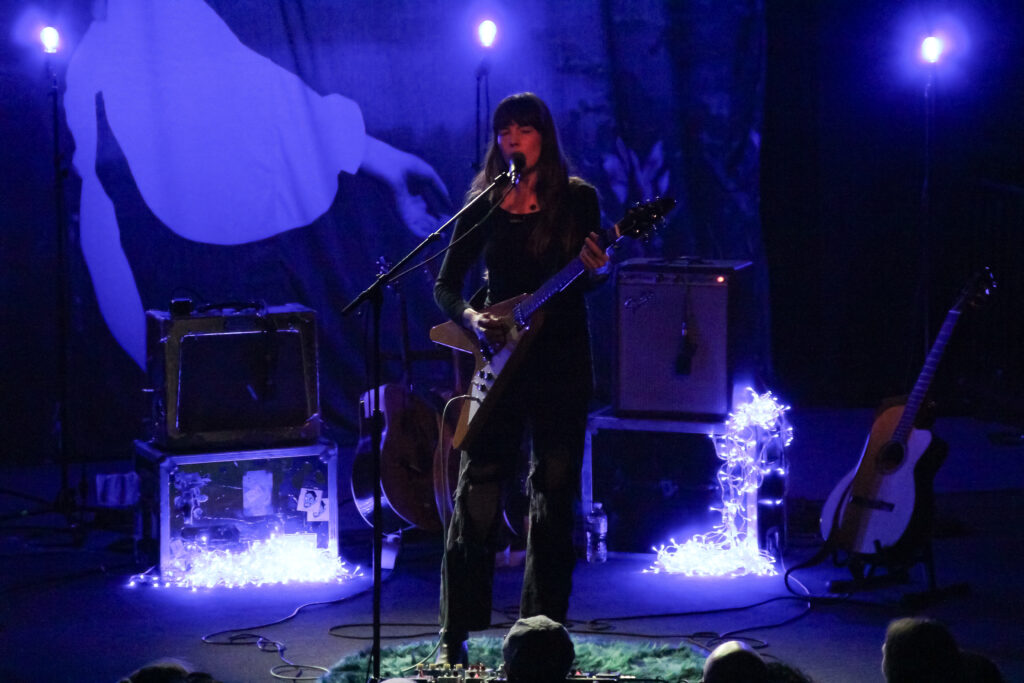
After a brief shift in stage arrangement, the lights dim and Cass Elliot’s “Make Your Own Kind of Music” begins to blast through the speakers. Drummer Adam Popick and Diaz casually take the stage, almost hidden by the vibrant blue light that lit up the stage for the whole show. She takes her place atop a small rug that looks like grass, which aligns well with the fairy lights draped on the amps like waterfalls. After getting settled, Diaz begins her set with “Same Risk,” the first track off of her new LP.
The song starts with bass-heavy drums and Diaz playing the guitar with a grainy effect. Popick’s use of bass drum mallets provides the drums with a softer sound needed to pair well with Diaz’s guitar and vocals. She follows with “Everything Almost,” where Diaz puts her impressive vocals on full display, and Popick meets her intensity with increased use of cymbals. The crowd cheers loudly at the song’s end, likely expressing appreciation for her vocal abilities. “Holy shit! I cannot believe you Boston,” says Diaz in response to the enthusiastic crowd.
“Woman In My Heart” features a slow, plucked guitar line to start. Diaz continues to emit belts that leave the audience in awe. Her powerful vocals emulate the intense breakup emotions that the lyrics describe. Popick and Diaz come together for the chorus to produce an immense, distorted sound that also matches the lyrical content.
Diaz transitions to “Don’t Do Me Good,” which features Kacey Musgraves on the album. Towards the end of the track, Diaz exits the bridge by increasing her vocal volume with each repetition of lyrics until she reaches a cheer-inducing belt. Instrumentally, the twangy guitar and substantial cymbal use stand out amongst her singing talent. “Obsessive Thoughts” also features heavy cymbals that are intertwined dynamically with Diaz’s guitar playing. Throughout the show, Diaz and Popick continuously show their long-term connection as bandmates through their flawless ability to match dynamic levels.
Before playing “Girlfriend,” Diaz explains that the song is about a time when she saw her ex-boyfriend’s ex-girlfriend at the Newport Folk Festival and her desire to be friends upon meeting his ex-girlfriend. For this song, her vocals fill the entire space of The Sinclair as the drums recede to feature her. She goes on to play “Worst Case Scenario,” an unreleased song where growling guitar sounds match the idea of the worst-case scenario.
During “For Months Now,” it becomes clear that Diaz loves to interact with her audiences, as she points out a couple mid-song that’s holding each other and swaying as they sing. She continues to communicate with the crowd by telling the story behind “God Person,” which consists of a time when she had a discussion about religion with her atheist father about how she wasn’t sure what religion she exactly aligned with while they were staying at a place in Maine with no electricity or running water. At this point, Popick exits the stage to leave Diaz alone with her acoustic guitar.
She once again chats with the audience, describing “Hurting You” to be about “learning how to not be a dick,” which leads her to cut off her conversation. “I’m gonna stop talking now,” says Diaz while laughing. Early in the song, Diaz belts the word “cry” in a way that encapsulates the feeling of guilt from hurting a loved one. White lights shine down on Diaz as she sings the lyrics “Right now, I know it’s hard for you to see / Hurting you is hurting me,” making her appear as an angel while singing about emotionally harming a significant other.
For “Resentment” and “Get To Know Me,” Popick enters the vocal space with subtle harmonies that enhance the impact of Diaz’s singing. Popick proceeds to show off his multi-tasking skills while playing a midi keyboard in front of the drum set during “KFM,” a comical love song based on the game Fuck, Marry, Kill.
After a few songs with her acoustic guitar, Diaz trades it for an orange Gibson Flying V. The guitar first produces a soft sound at the start of “Kiss The Wall,” but eventually takes on distorted sound during the chorus with the swift stomp on a pedal by Diaz. At this point, she also brings up her partnership with the Human Rights Campaign through Propellor and highlights the importance of paying attention to human rights issues and their relation to the upcoming election.
Diaz and Popick well-encompass the song title “Crying In Public” through their vocal and instrumental abilities. Popick maintains a heartbeat-like drum pattern while Diaz sustains impressive belts that overflow with feeling. With a blatant shift from sadness to anger, Diaz seemingly ends her set with “Think Of Me.” The audience yells the lyrics “I hope you fuck her with your eyes closed,” leading them to be the loudest they’ve been for the entire show. As a surprise, Diaz sings a great mash-up with SZA’s “F2F.”
For the encore, Diaz brings out Olivia Barton to sing “New Person, Old Place” with her. They both sing together and harmonize throughout the entire song. They’re also accompanied by Popick on acoustic guitar instead of drums. Their harmonized belts elicit loud cheers from the audience. To end the show, Diaz sings her album’s title track “Weird Faith.” She tells the audience that the album was created based on mantras she’d been formulating for herself at the time of writing. Standing alone with her guitar at the end of the song, Diaz basks in the cheers and applause from the audience, expressing her immense gratitude for such an engaging and loving crowd. She gives The Sinclair one final wave as she heads off the stage just as calmly as she entered it.


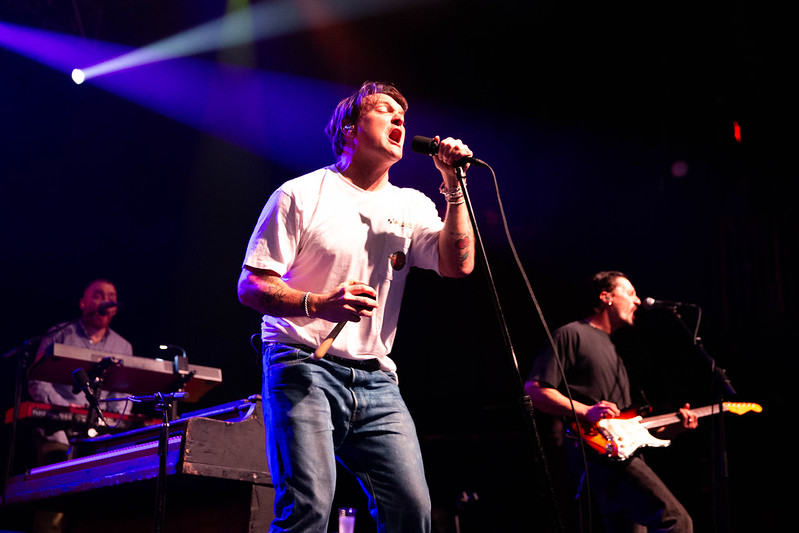
Joe P warmed up the scene at House of Blues last Wednesday, playing tracks from their first album Emily Can’t Sing, and a few covers of Deal Casino songs. They primed the crowd well; cheers exploded in an uproar as soon as Cold War Kids took the stage. The setlist ranged from their eponymous 2023 album, including tracks like “Run Away with Me” to the quintessential L.A. Divine‘s “Love is Mystical” as an encore. Packing a room in the middle of the week in winter is no small feet; the kids are doin’ alright!

Photo courtesy of Beeef
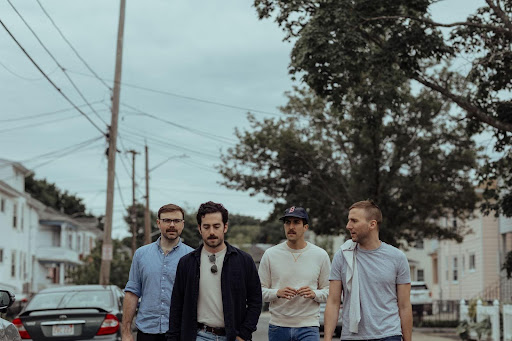
Allston’s own Boys of Summer Beeef are back again. The four-piece indie rock troupe have been relatively quiet since 2019’s Bull in the Shade LP, but the gears are starting to turn again as they ready their next album for release later this year. That said, with an extended breather comes a newfound perspective for the band, as seen on their latest single which we’re premiering today at Allston Pudding. “Observational Eros” is a stunner: crunchier and heavier than the usual Beeef fare, while still barring plenty of their signature moves. Peep that searing guitar solo emerging from the jangle in the back half for proof of concept.
Beeef fronter Perry Eaton had this to say about the new track:
“After listening to a keynote speech called ‘How to do nothing’ by artist and educator Jenny Odell, it helped me to reconsider what a creative process looks like, feel more present and purposeful, and take a little bit of pressure off. “Observational Eros”, and much of the rest of our upcoming album, is directly inspired by Odell’s ideas.”
Beeef’s third album is out later this year, so keep your eyes on their socials for more info.

Photo by @allthingsharmony
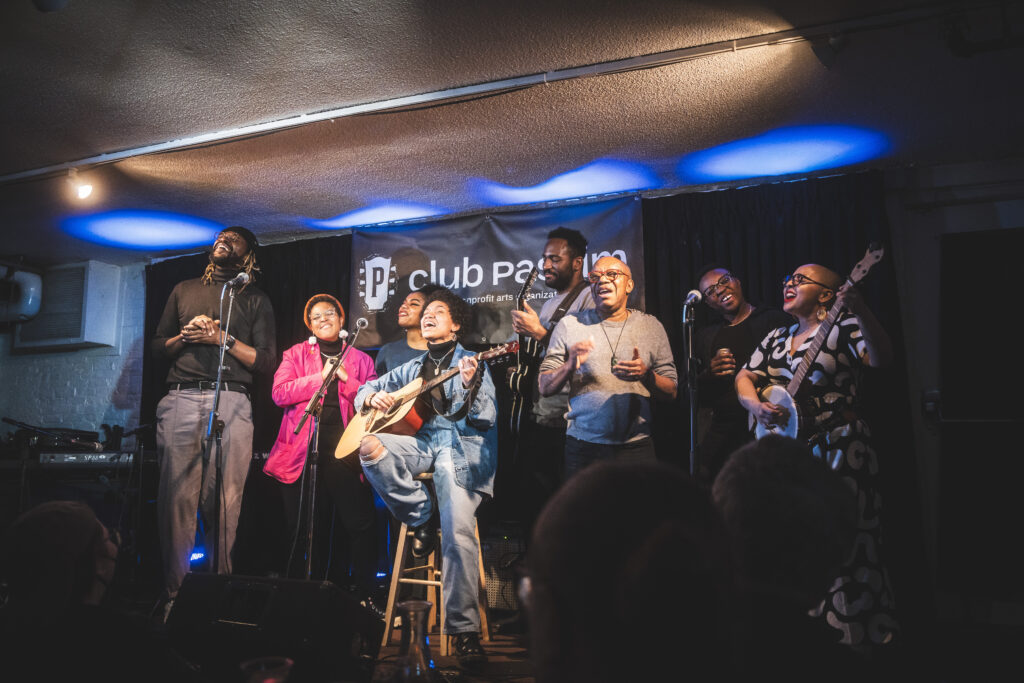
We Black Folk is a debut folk festival curated by the one and only Cliff Notez and HipStory in partnership with Club Passim’s Folk Collective that celebrates folk music by Black artists. “I’ve been digging into my connection with not only the guitar and folk music, but also people again.” Cliff recounted his story of borrowing Will Dailey’s banjo and how he “felt the need to get close to it,” which included learning about the history of the banjo — which came from West Africa. So why is it that folk has always been more of a white genre? Cliff Notez highlighted that folk music is for Black people too. “This folk music might have been for me and is always for me.”
We Black Folk Fest started with a gorgeous rendition of “I’m Gonna Let It Shine” by all the artists of the night, and then it got right into the rest of the performances. Kicking us off for the first night of We Black Folk was Aisha Burns, who Cliff said would “blow our minds,” and that she did. As a fellow short girl, I loved that Aisha announced that she’s a bit shorter than everyone else, but that fact didn’t diminish her talent one bit. She shared a song inspired by the west Texas desert; what if your most depressed day was a mirage and you could find a way out of it. Her song “Must Be A Way” showcased her captivating voice, along with some very pretty folky vocal runs.
Next up was Stephanie McKay, who was accompanied by Joy Porter on electric guitar. Stephanie sang her song “Jackson Avenue” that had me bopping along from my apartment. Her clear and jazzy vocals definitely shone through. She even made everyone put their hands in the air and sing along while also shouting out the South Bronx.
Pink Navel was the next performer, who not only writes songs but also raps. For the festival, they leaned towards more of a folk genre. They sang their song “crumbling toons” that they wrote after living in Maine for 4 years. I’ve never been to Maine, but the picture Pink Navel paints in their lyrics about the “little view of the clouds” helped me imagine what the state must be like.
Cliff Notez, our host, also performed — starting his set by tuning his guitar on stage, which he joked was such a “folk artist” thing to do. Before he played his song “Black Incredible,” he educated the audience about the origin of country music (thank you A.P. Carter and Lesley Riddle). He also addressed how “hillbilly music” was formerly associated with white people and that “race music” included jazz and RnB.
Almira Ara was next, and I will be the first to say that I’m obsessed with their music! “I didn’t think I was a folk artist — Because of initiatives like the Folk Collective, I’ve stepped into my power. I’m going to redefine folk music and own that shit; honestly, most music is folk music because it’s about something,” stated Almira. Inspired by Cliff’s song, they decided to share their song “Black Girl,” which is for the inner child of every Black woman. Almira’s voice was so pure and I got goosebumps from their runs and from the harmonies that Stephanie McKay added to the song. Almira’s storytelling also stood out to me: “Little Black girl in this cold ass world.”
Melo Green, who also sang a bit during Almira’s set, was the next folk artist to come to the stage. He told us that he’s working on a new album and played a song he wrote a few weeks ago titled “Play Me Something New.” It was a very groovy song and he made us clap in 2-4 with him while he sang gorgeous runs in his falsetto. It’s a good thing I was watching the livestream because I’m very sure I was not in rhythm…whoops. He had a line “When we’re losing track of time” that stuck with me, and I can’t wait for this album to be out!
Last up for the night was Haasan Barclay. He introduced himself by saying he usually wears a shirt with his face on it, but he didn’t that night unfortunately. He had super catchy guitar riffs and some of his songs had a rock-feel to them. My favorite song of his was his song about yearning for someone titled “Curfews.”
My main takeaway from the first night of We Black Folk Fest was that folk encompasses so many elements, like storytelling, acoustic guitars, tuning said guitars on stage, and that because of people like Cliff Notez, we can appreciate and celebrate Black folk music.

Photo by @allthingsharmony
Night two of We Black Folk Fest also started with a rendition of “I’m Gonna Let It Shine” by the night’s artists, with their own twist in the lyrics, “Even at Passim, I’m gonna let it shine.”
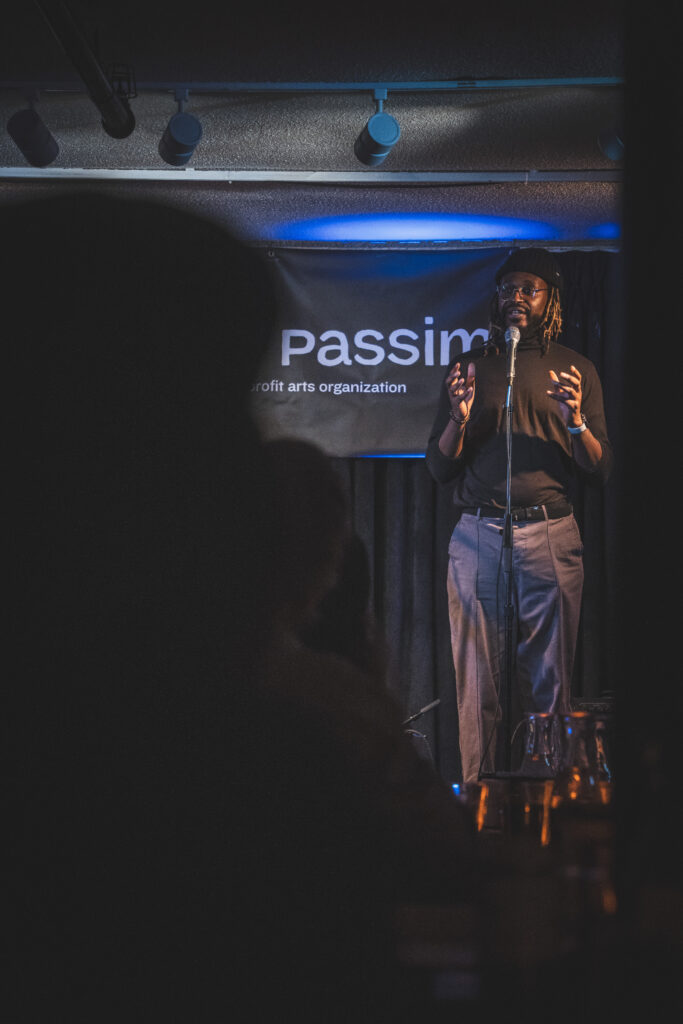
For tonight’s show, Cliff Notez had his own mic and made a joke about how it was because everyone was taller than him… (Cliff is 6’4 in case you didn’t know) “I was told my head gets cut off in the livestream, so I wore this turtleneck to give me some character!”
He shouted out The Folk Collective for his presence at Passim and acknowledged that there had always been something missing from Passim — the We Black Folk Festival is just the beginning of bridging that gap, thanks to Shea Rose. Though Cliff comes from a hip-hop background, he now feels comfortable in a folk space, which is a testament to how important We Black Folk Fest is on so many levels.
Gabby Simpkins, a singer-songwriter, multi-instrumentalist, and composer, kicked us off with her soothing voice and calm presence. “I’m a classical musician and the conductor usually does all the talking, so I’m going to get right into my songs.” She sang one of her recent favorites about a “touching situation she went through” that was a “hodge-podge of old lyrics and chord progressions” she approached with a fresh pair of eyes. The song conveyed vivid imagery of castles, wind, rain, and how they related to her experience with love, accompanied by these pretty finger-picking ripple melodies on guitar. My favorite line from the song was “How am I to play pretend like somehow I could comprehend what transpired in a flash of fire.”
Up next was “the legend,” as Cliff Notez introduced him, Kemp Harris. Kemp has some of the most powerful lyrics I’ve heard, and I’m so happy he’s using his art in that way. He started off with a song from his upcoming album America Chronicle, No. 1, and the song is dedicated to books that are banned, to history that has changed, and for the people who haven’t heard of the Tulsa Massacre. An example of said lyrics: “America’s been had again so white folks don’t get mad again, but let’s not worry. We’ll just pretend that everything’s okay.” The next song that Kemp performed, “Standing Your Ground,” had some special guests from The Folk Collective — Stephanie McKay, Cliff Notez, Almira Ara, and Naomi Westwater. They added harmonies and hums to the moving lyrics, “Another mother’s child lying dead on the ground. Keep searching for a justice – there was none to be found.” I’m so excited for Kemp Harris’ new album!
Cliff Notez came back to the stage to educate us about the history of stomping in Black folk music and sing us one of his original songs. He did berate us for stomping our feet weakly — “Have you never had cockroaches before?” he asked, judgingly. He drew parallels between foot stomping and drums — both created rhythms in different ways, specifically through syncopation (aka the rhythms between the rhythms). However, since the beats were a form of communication, drums were banned, which is why you don’t see a lot of drums in Black folk music. To demonstrate an example of stomping in one of his own songs, Cliff sang “Get Free I” with the audience, adding in claps and stomps to show what the absence of drums means to Black folk.
Grace Givertz graced us with her presence and her banjo, which is named Libba after Elizabeth Cotten. “I never thought I’d see this day — it’s because traditionally people who look like us don’t feel comfortable walking into spaces like this. I am so thankful and honored to be a part of We Black Folk Fest,” she reflected. Grace sang the title track of her album, “Year of the Horse,” which touches on her experience dealing with a chronic illness. Grace’s vocal projection truly amazes me during this song. Her vocals continued to shine through in her next song “Papa,” which she wrote for her grandpa and the other Black folk whose lives were stolen from them.
Chris Walton came up to the stage next and did the usual folk artist act (as we now know from Night 1) of tuning his guitar on stage before he sang his song “Soon.” “It’s really nice to be seen in the company of my peers on a bill together,” he said. Chris’ songs proved the range of what folk music is about — he had a bit of a jazzy, RnB, and folk feel. “I’ve been getting older as one does and that’s caused me to do a lot of self-reflections. It makes me think about things I don’t know in the world — It’s been great for my artistry. We use this as our therapy.” He sang a song called “Boys Don’t Cry” about growing up with toxic masculinity and feeling like he couldn’t express his emotions. He dedicated the song to his dad who passed away years ago, and I felt Chris’ vulnerability in the lyrics and melodies of the song.
The next artist was Anjimile, who Cliff said was “going to blow our minds” — and he was right. “If you haven’t listened to Anjimile’s new album, you live under a rock. They left Boston because they got too famous,” he told us. Anjimile said they were glad to be back in Boston and played two of their original songs. They started with “The King,” which highlighted their rasp and rounded falsetto moments. Their second song was “1978,” which Anjimile wrote back in 2016 about their grandmother who they’ve never met but whose presence they always felt in moments of need. The lyrics, “In the light, you’re a miracle to behold, truly in the night, it’s a miracle to be held by you” and Anjimile’s breathy voice really stuck with me.
Last up was Naomi Westwater, who said they were so honored to be here and excited to be reclaiming what Black folk music is. Naomi started off with a queer love song titled “Eat My Cake”, and their airy voice combined with the vibrato was so pretty to hear. There was this one run that Naomi sang down the octave for the line “everything’s changed” that gave me literal goosebumps. The second song Naomi sang was inspired by the yellow forsythia flowers blooming in January (instead of Spring), and how they’re expected to pretend everything’s normal when it’s not. The lyrics that stayed with me were, “I’m really quite frightened of budding too early or blooming too late and missing my prime.”
To end the night, Cliff came back to the stage and thanked everyone for being present online and in person. “Thank you for being part of this experiment and experience. I’m really grateful for all of you — I’m going to go home and cry a bit… happy tears. Give me a month to recover; I’ll be back. I love you all. This is the first We Black Folk Fest, and I guarantee it won’t be the last.” — Cliff Notez